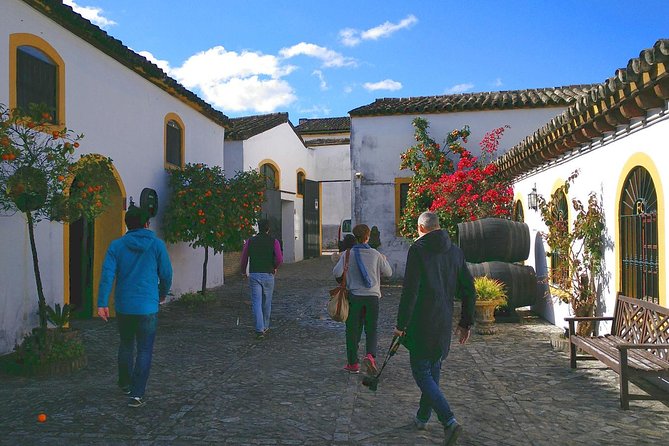
Cadiz : Private Custom Walking Tour With A Local Guide
Active
2h - 8h
For a full refund, cancel at least 24 hours before the scheduled departure time.
Instant confirmation
Mobile or paper ticket accepted
About this experience
Cadiz can sometimes feel inaccessible to foreign visitors. Take the mystery out of your visit by exploring with a local on a private, customized walking tour. Your guide contacts you beforehand to understand your interests and tastes, ensuring you only visit the places you care about. This is a personalized tour where you will discover the exterior of monuments, including museums; however, if you’d like to include an interior museum visit, just let us know in advance.
As you explore, your guide shares insights into local life and history, giving you a richer understanding of Cadiz culture. Perfect for families, solo travelers, or couples, this tour offers exclusive access to insider knowledge and hidden gems you won’t find on your own.
Available options
6 Hours Private Walking Tour
Duration: 6 hours<br/>Pickup included
4 Hours Private Walking Tour
Duration: 4 hours<br/>Pickup included
8 Hours Private Walking Tour
Duration: 8 hours<br/>Pickup included
2 Hours Private Walking Tour
Duration: 2 hours<br/>Pickup included
3 Hours Private Walking Tour
Duration: 3 hours<br/>Pickup included
What's included
Meet up at your accommodation (If located in the city)
Private Walking Tour
Customization of the tour
Detailed itinerary
1
The Plaza de San Juan de Dios of Cadiz is a large urban space that is located inside its historic and traditional quarter.
2
The Monument to the Constitution of 1812 is a monument in Cádiz, Spain that commemorates the centennial of the signing of the Constitution of 1812. The monument, commissioned in 1912 and completed in 1929, is located in the centre of the Plaza de España in Cádiz.
3
The walls of San Carlos, are located, raised by the sea, next to the Plaza España, in the old town of Cadiz. Its construction was completed in 1784 by the military engineer Antonio Hurtado. This bastion could house 90 artillery pieces and contained 55 vaults for different uses. In some of these vaults, wells were built to store the snow that was brought from the mountains of Cadiz.
4
It is the main square of the city, where you can find the City Hall, the Church of the Hospital of San Juan de Dios, today it is an almost completely pedestrian area, with many restaurants with terraces, which makes it a meeting point.
5
The Roman Theatre of Cádiz is an ancient structure in Cádiz, Andalusia, in southern Spain. The remains (only partially excavated) were discovered in 1980. The theatre, which was likely built during the 1st century BC and was one of the largest ever built in the Roman Empire, was abandoned in the 4th century and, in the 13th century, a fortress was built on its ruins by order of King Alfonso X of Castile.
What's not included
Drink or Food ( If you want to have a break during the tour )
Personal expenses
Local transportation around the city (it’s a walking tour, car...
Available languages
Guide guide
EN
IT
FR
ES
Reviews breakdown
Viator
4.7
57 reviews
5★
50
4★
2
3★
0
2★
3
1★
2
Tripadvisor
4.9
33 reviews
5★
31
4★
2
3★
0
2★
0
1★
0
Important information
Wheelchair accessible
Infants and small children can ride in a pram or stroller
Service animals allowed
Public transportation options are available nearby
Transportation options are wheelchair accessible
All areas and surfaces are wheelchair accessible
Suitable for all physical fitness levels
About Cádiz
Cádiz, one of the oldest continuously inhabited cities in Western Europe, is a vibrant coastal city in southern Spain. Known for its rich history, beautiful beaches, and lively festivals, Cádiz offers a unique blend of ancient charm and modern energy. Its strategic location on the Atlantic coast makes it a gateway to some of Spain's most stunning natural landscapes.
Top Attractions
Cádiz Cathedral
A stunning Baroque-Rococo cathedral that dominates the city's skyline. It is known for its golden domes and intricate details.
Historical/Architecture
1-2 hours
€9 (includes tower access)
Playa de la Caleta
A beautiful urban beach surrounded by historic buildings and offering stunning sunsets.
Beach
2-3 hours
Free
Torre Tavira
An 18th-century watchtower with a unique camera obscura that offers a panoramic view of the city.
Historical/Architecture
1 hour
€7
Must-Try Local Dishes
Tortillita de Camarones
A crispy fritter made with shrimp, flour, and water
Snack
Contains seafood
Pescaíto Frito
Fried small fish, a local delicacy
Main Course
Contains seafood
Popular Activities
Windsurfing
Kitesurfing
Beach relaxation
Sunset watching
Visiting museums
Attending festivals
Beach activities
Boat tours
Best Time to Visit
March to May, September to October
These months offer the best weather for exploring the city, with comfortable temperatures and fewer tourists compared to the summer peak. The city is vibrant with cultural events and festivals.
15°C to 25°C
59°F to 77°F
Practical Information
Language
- Official: Spanish
- Widely spoken: English (in tourist areas)
- English: Moderately spoken in tourist areas
Currency
Euro (EUR)
Time Zone
GMT+1 (CET), GMT+2 (CEST during daylight saving time)
Electricity
230VV, 50HzHz
Safety Information
Overall Safety Rating: Generally safe
Cádiz is generally safe for travelers, but petty crimes like pickpocketing can occur in crowded areas.
Important Precautions:
- • Keep valuables secure
- • Use official taxi stands
- • Be cautious of pickpockets in crowded areas
Getting there
By air
- Jerez Airport • 35 km (22 miles) from Cádiz
By train
Cádiz Railway Station
By bus
Cádiz Bus Station
Getting around
Public transport
The bus system is efficient and affordable, with frequent services throughout the day.
Taxis
Available • Apps: Cabify, Uber (limited availability)
Rentals
Car, Bike, Scooter
Neighborhoods
Old Town (Casco Antiguo)
La Viña
Day trips
Tarifa
100 km (62 miles) • Full day
A charming town known for its beautiful beaches and windsurfing opportunities.
Seville
120 km (75 miles) • Full day
A historic city with stunning architecture, vibrant culture, and rich history.
Festivals
Carnival of Cádiz • February
Feria de Cádiz • June
Pro tips
- Visit the city's rooftop bars for stunning views and sunset cocktails
- Explore the local markets for fresh produce and unique souvenirs
- Take a day trip to Tarifa for windsurfing and dolphin watching
- Attend the Carnival of Cádiz if visiting in February
- Try the local seafood dishes, especially the fried fish and shrimp fritters
Get Price
per person
Price varies by option
Secure booking
Free cancellation available
Instant confirmation