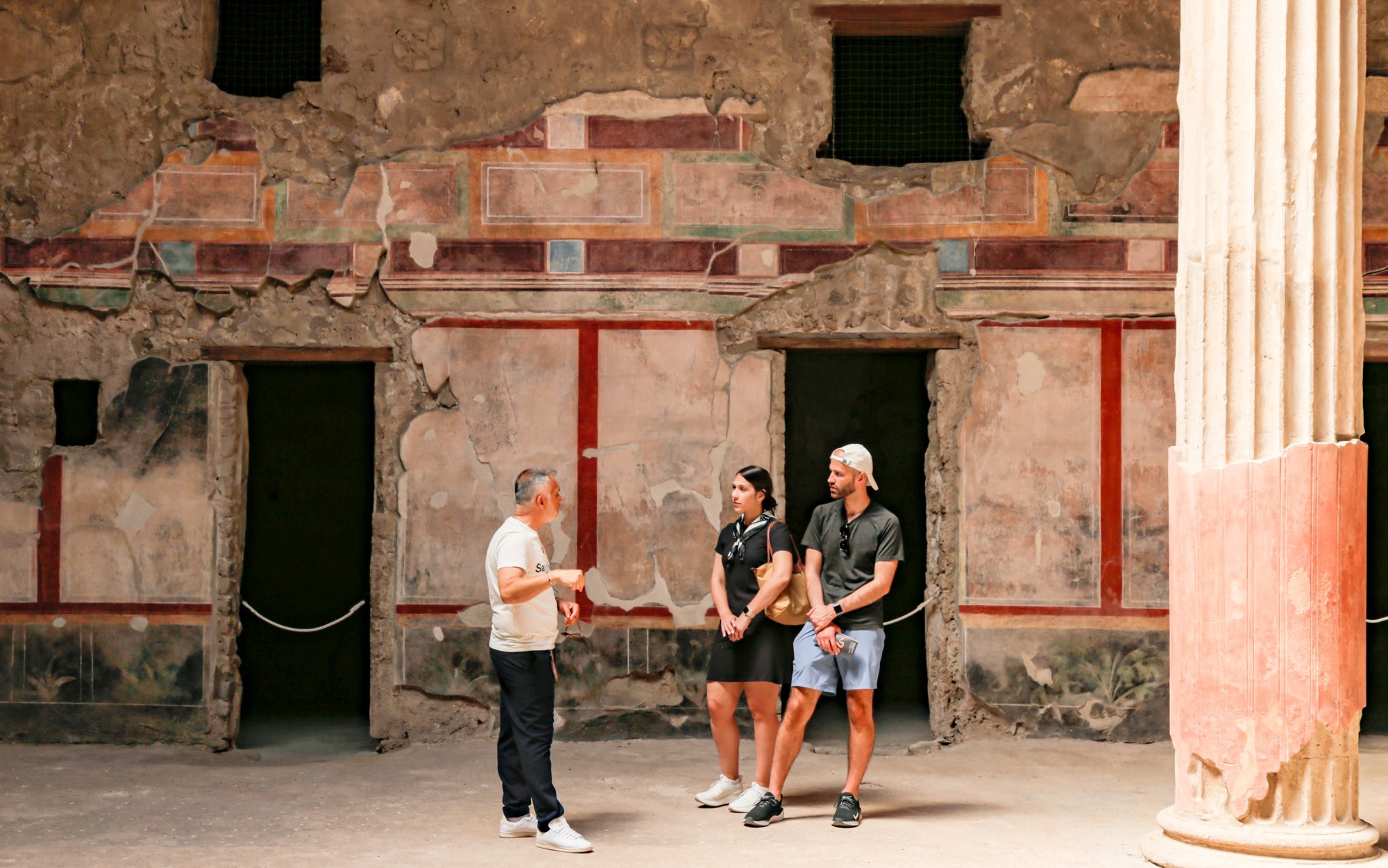
Pompeii, Herculaneum and Winery on Vesuvius with an Archaeologist
Active
8h - 9h
For a full refund, cancel at least 24 hours before the scheduled departure time.
Instant_then_manual confirmation
Mobile or paper ticket accepted
About this experience
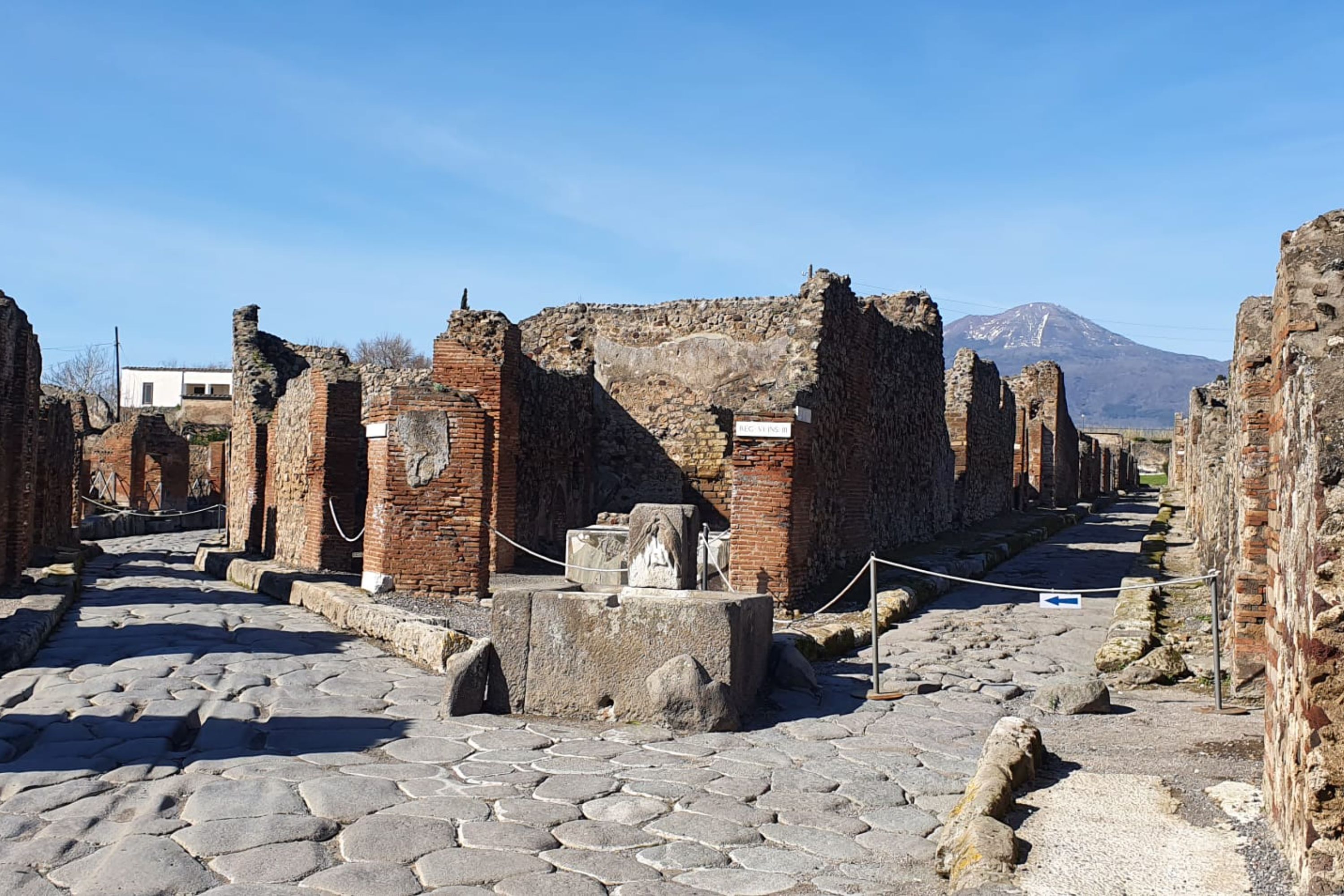
Uncover the history of one of the world’s most dangerous volcanoes, Mount Vesuvius, during this full-day private tour. In AD 79, this great volcano erupted and buried its surroundings, preserving the towns in volcanic debris. Visit Pompeii and Herculaneum thoroughly. Fabrizio is an archaeologist and he has been a guide for over 31 years. In between tours, visit a family-run winery on the slopes of Vesuvius for a pre-set lunch and wine tasting (at your own expense).
• Take a private tour to Pompeii and Herculaneum with an archaeologist
• Stay away from crowds and avoid long lines at the ticket office
• Enjoy a lovely rest at a local winery in the National Park of Mt Vesuvius
• Choose the kid-friendly tour if you are traveling with children from 6 to 11 yrs
• Private guide and Mercedes Van vehicle ensure a personalized and comfortable experience
Available options
Pompeii&Herculaneum with kids
Pompeii4Kids: Special activities to make the tour entertaining for kids from 6 to 12 yrs Old<br/>Private official Guide<br/>Wine Lunch on Mt Vesuvius: To be paid on the spot<br/>Private Mercedes V-Klass Van: Clean, comfortable, A/C, Water on board<br/>Pickup included
Pompeii&Herculaneum Tour
Private Official Guide: Private Taylored Walking Tour both of Pompeii and Herculaneum<br/>Wine Lunch on Mt Vesuvius: To be paid on the spot<br/>Private Mercedes V-Klass Van: Clean, comfortable, A/C, water on board<br/>Pickup included
Standard Tour Low Season
Optional wine tasting: Visit to winery on Mt Vesuvius, with tour, lunch and wine tasting<br/>Pickup included
What's included
Private transportation
Water and WI-Fi on board
Air-conditioned vehicle
Private Guided Tour both in Pompeii ad Herculaneum
Detailed itinerary
1
Stop 1
I study archaeology and I have been a guide in Pompeii for 27 years: I still cannot believe how advanced Romans were! You will be surprised by the size and at the amazing state of preservation of the archaeological site.
We will visit the Forum, ancient public baths, private houses, taverns, shops, theatres, and more. We will admire fabulously preserved frescos and mosaics that adorn the walls and floors of the ancient houses.
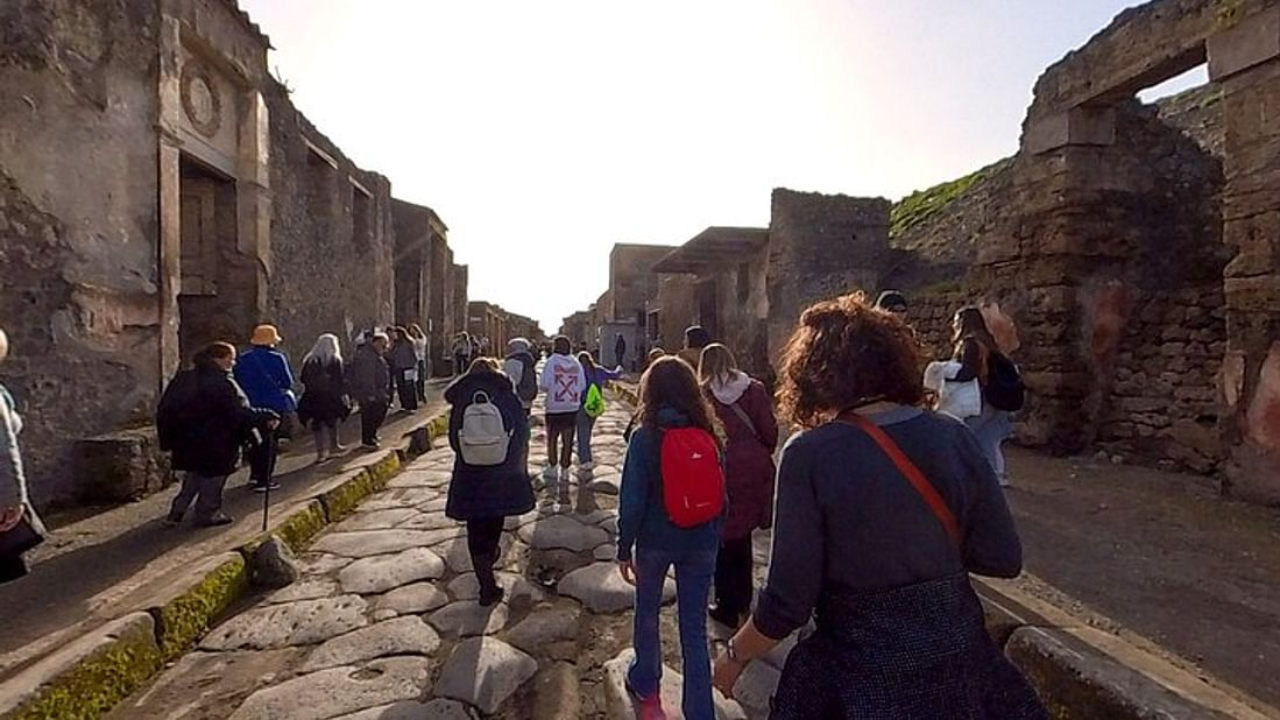
We will walk at your own pace and I will make sure that everyone in your group understands what he is looking at. We will stay away from crowds as much as possible. The itinerary is flexible and I shall adapt to your will and needs.
2
Visiting Piazza Porta Marina is the perfect start to a fun and intriguing exploration of Pompeii, serving as the modern and ancient gateway that sets the stage for your entire journey. This expansive plaza is where you transition from the modern world into the archaeological park, passing through the ancient, dual-arched Porta Marina gate built right into the city's historic walls. The area immediately immerses you in history, positioning you within steps of key sites like the Antiquarium museum, where poignant casts and artifacts provide immediate context, and the intriguing Suburban Baths with their famous erotic frescoes. The excitement builds as you start your ascent up the ancient stone ramp of Via Marina, leading directly into the heart of the Roman Forum, making this starting point not only practical but also historically evocative and a truly engaging way to begin your adventure.
3
Stop 3
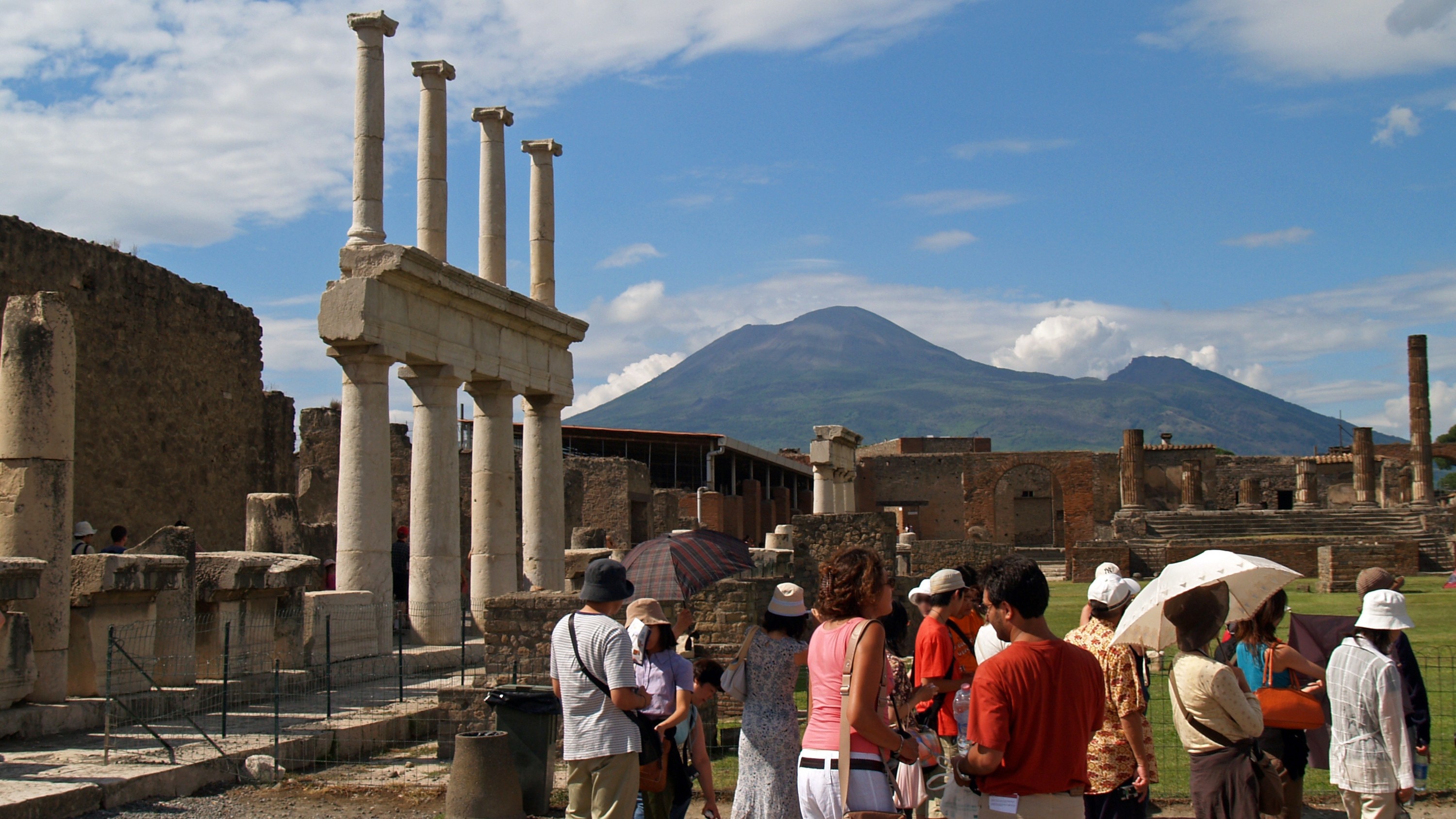
The Temple of Apollo is a highlight of any Pompeii tour, offering a compelling blend of history, architecture, and stunning visual drama right at the edge of the Forum. This is one of the oldest sacred sites in the city, allowing you to trace the evolution of religious practice from Greek to Roman times as you walk among the remains of its 48 surrounding columns. The site is uniquely interesting because it is a true open-air museum: you can view robust bronze replicas of the gods Apollo and Diana, examine an original sundial column, and stand on the elevated podium for a perfect, symbolic view of Mount Vesuvius looming in the background. It is a powerful location that immediately connects you to the grandeur of the ancient city's spiritual and civic life.
4
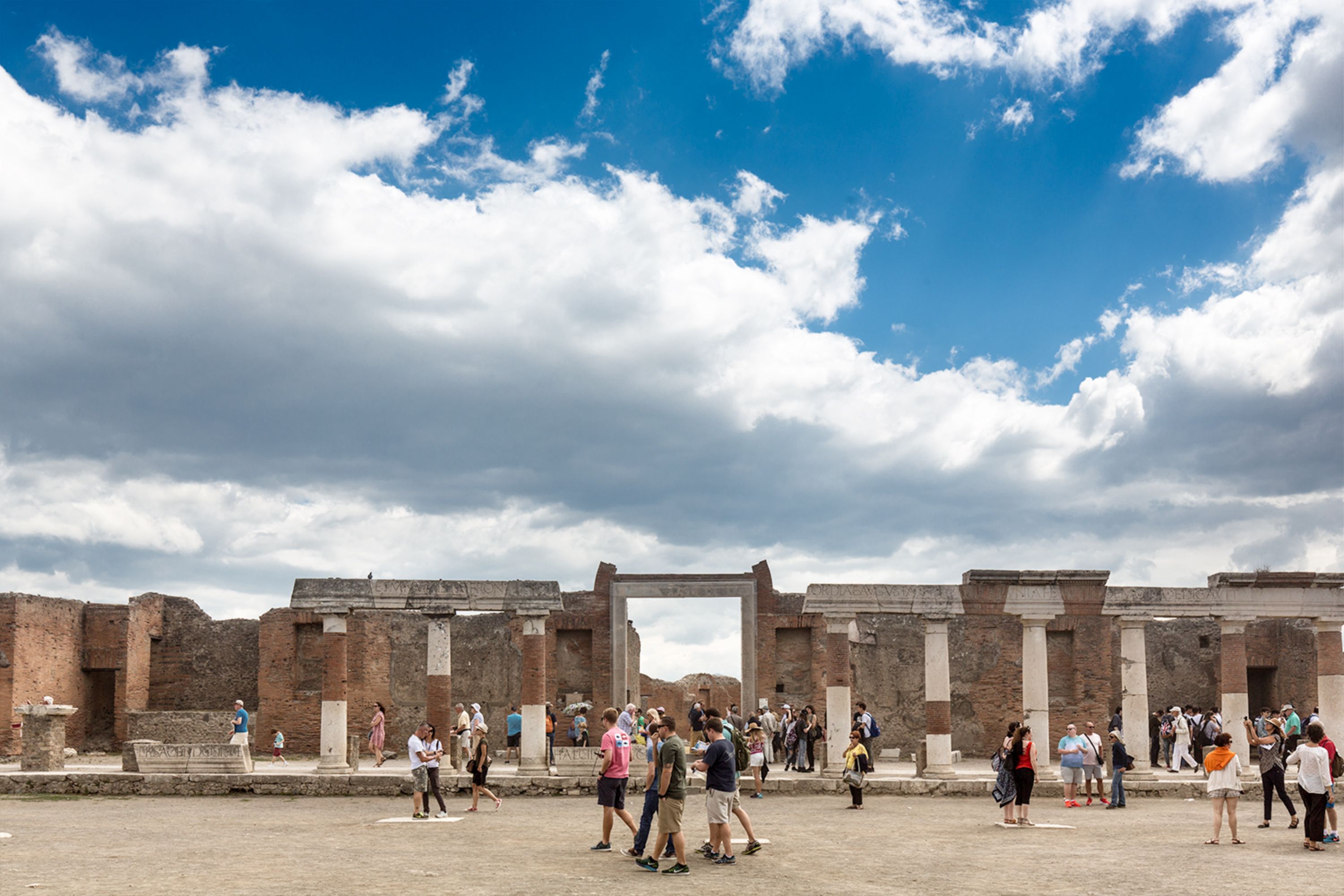
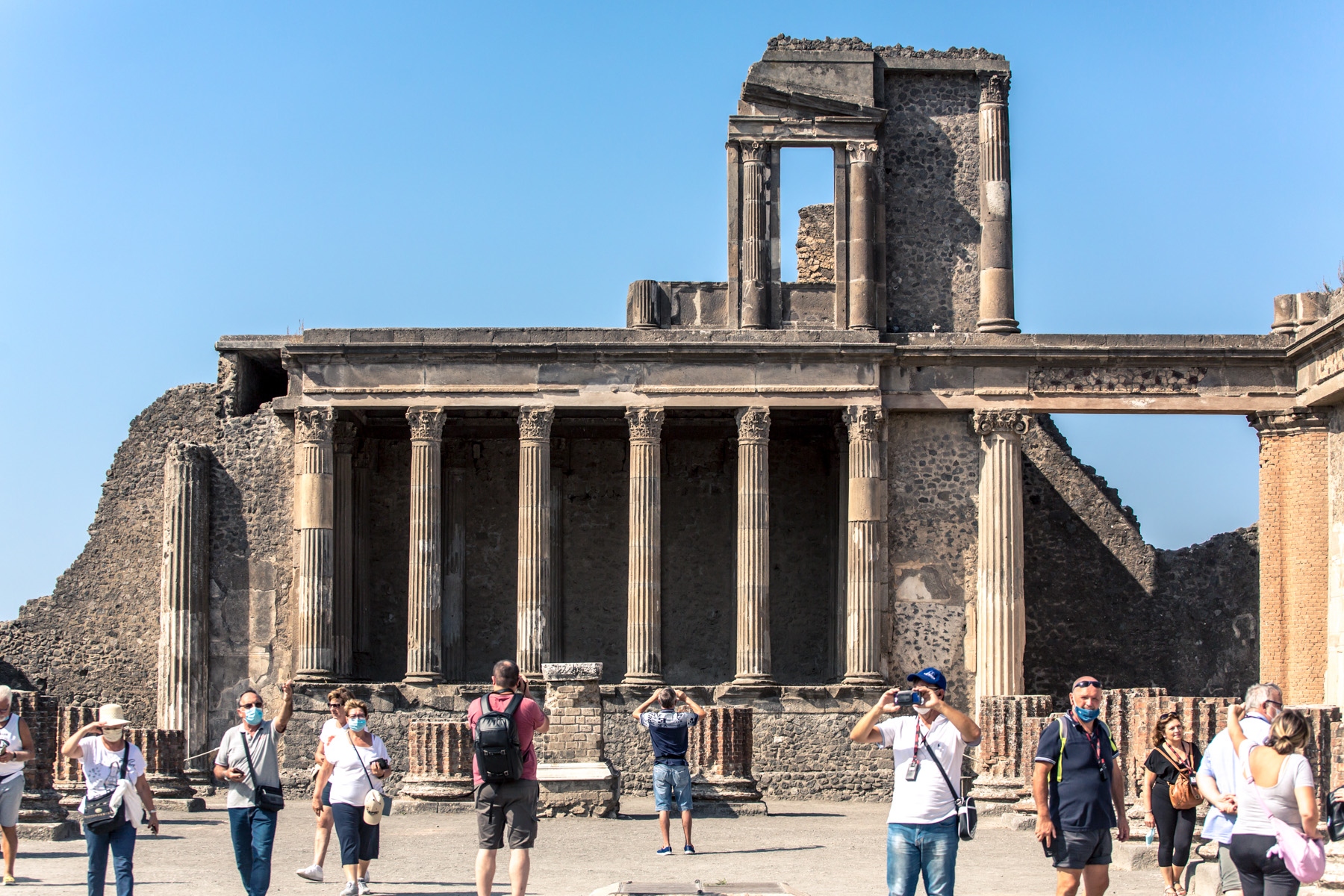
The Forum of Pompeii is a captivating experience as you stand in the absolute epicenter of ancient Roman life, where the city’s political, religious, and commercial worlds collided. Walking across the original travertine paving stones, you are surrounded by the grandest architecture in the city, including the majestic Temple of Jupiter and the imposing Basilica, all perfectly framed by the dramatic and sobering silhouette of Mount Vesuvius in the distance. It is fascinating to explore the Macellum market and the mensa ponderaria (official weighing table), which vividly illustrate the hustle and bustle of daily trade. This vast, pedestrian-only plaza serves as a powerful open-air stage, allowing you to easily imagine the ancient crowds, public speeches, and vibrant ceremonies that once defined this monumental heart of the Roman world.
5
The tour of the House of the Vettii is an unmissable highlight of 2026, offering a dazzling look into the "Sistine Chapel" of Pompeii following its meticulous recent restoration. This opulent residence, owned by two wealthy former slaves, is world-renowned for its exceptionally vivid Fourth Style frescoes and its iconic, protective painting of Priapus at the entrance. Inside, you are transported into a private Roman gallery where the famous "Room of the Cupids" displays charming scenes of ancient trades, while the mythological murals in the dining halls remain as colorful and sharp as they were 2,000 years ago. The experience is completed by the central peristyle garden, where working fountain statues and lush, historically accurate plantings recreate the exact atmosphere of luxury and status that once defined the life of Pompeii’s elite.
6
A visit to the Insula dei Casti Amanti (Insula of the Chaste Lovers) on the Via dell’Abbondanza offers a cutting-edge archaeological experience that is unique for 2026. Recently reopened with an innovative system of elevated walkways, the site allows you to look down into an entire city block—including grand homes and a bustling bakery—providing a rare "bird's-eye view" of an active excavation. You’ll be captivated by the tender fresco of a couple’s kiss that gives the house its name, as well as remarkable charcoal sketches of gladiators drawn by children nearly 2,000 years ago. To watch archaeologists at work from the accessible ramps, makes this one of the most dynamic and moving stops in all of Pompeii.
7
Stop 7
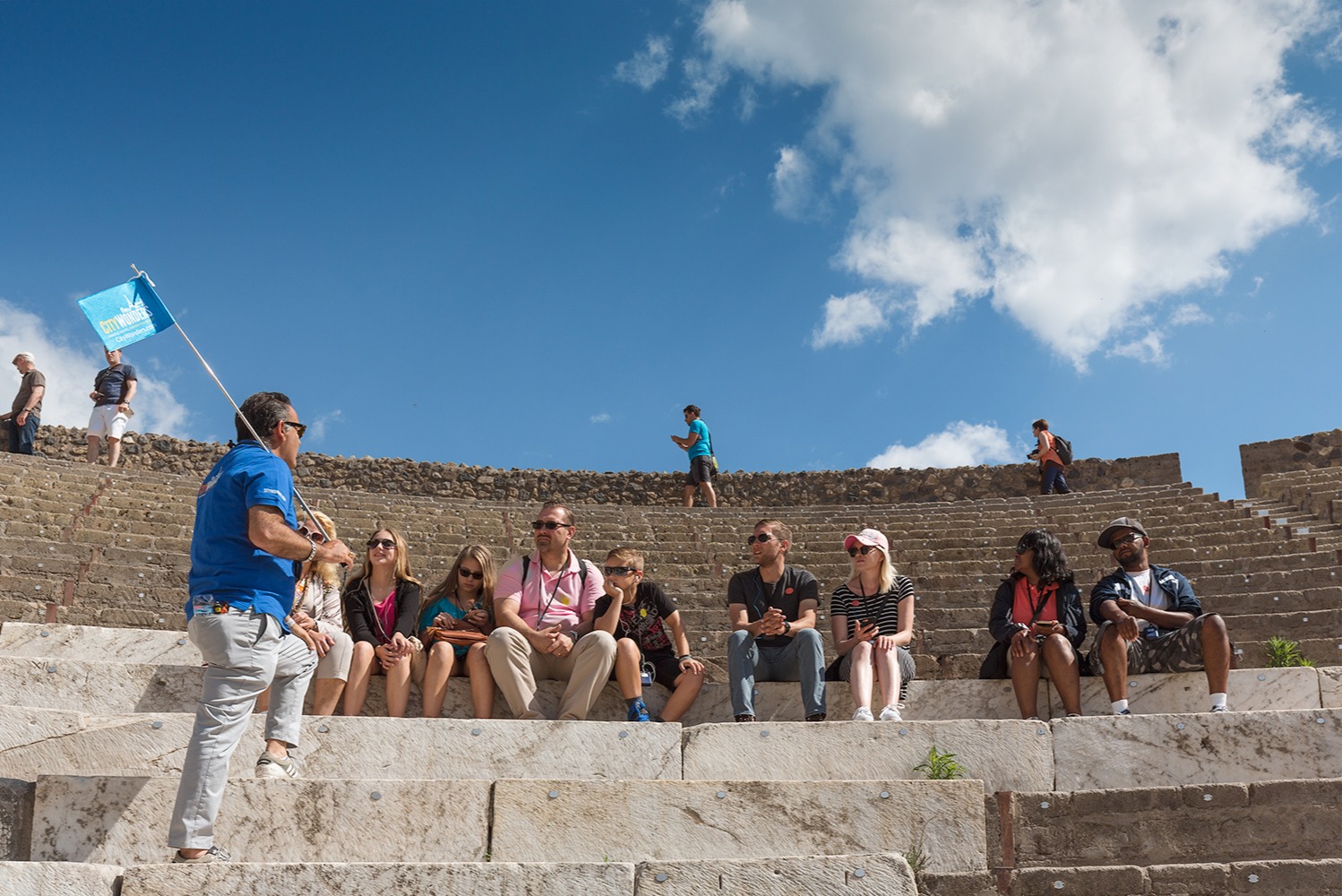
The Teatro Grande is a captivating experience that transports you into the heart of Roman social life, as you sit in one of the first stone theaters ever built, dating back to the 2nd century BC. It is fascinating to explore the horseshoe-shaped arena and observe the strict social hierarchy preserved in the stone tiers, where marble seats for the elite sit just below the sections for the common people. The site is famous for its incredible acoustics, allowing you to hear even a whisper from the center of the stage all the way to the top rows, 5,000 seats away. Still a living cultural venue in 2026, the theater offers a powerful connection to the past, especially when viewed against its dramatic backdrop of the lush hills and the towering silhouette of Mount Vesuvius.
8
Visiting the Antiquarium of Pompeii is a fascinating experience that provides the essential emotional and historical context needed to truly understand the ruins. Located at the Porta Marina entrance, this modern museum houses the site's most exquisite and fragile treasures. Most strikingly, the museum features a profound gallery of plaster casts, capturing the final, haunting moments of victims and even a faithful guard dog, which adds an undeniable human depth to the tragedy. By blending these visceral artifacts with innovative digital displays and 2026's latest archaeological finds, the Antiquarium transforms the silent stones of the park into a vivid, lived-in reality before you even begin your walk through the city streets.
9
Indulge in a relaxing escape to the organic "Cantina del Vesuvio" winery within Mt. Vesuvius National Park. Enjoy breathtaking views of the Bay and the volcano's crater during this fun, memorable experience. Your visit begins with a guided 15-minute stroll through sun-drenched vineyards to learn the secrets of the famous "Lacryma Christi" wines. The highlight is a delicious set menu lunch paired with 5 different local wines. Feast on appetizers (bruschetta, cheeses, and cured meats), authentic spaghetti with Vesuvius cherry tomatoes and meatballs, and traditional Neapolitan Pastiera (vegetarian/GF options available). This all-inclusive experience costs just € 50 per person (€ 60 for superior wine upgrade). Fabrizio handles the booking; simply pay on-site by card or cash. You can even ship your favorite wines and olive oils home!
10
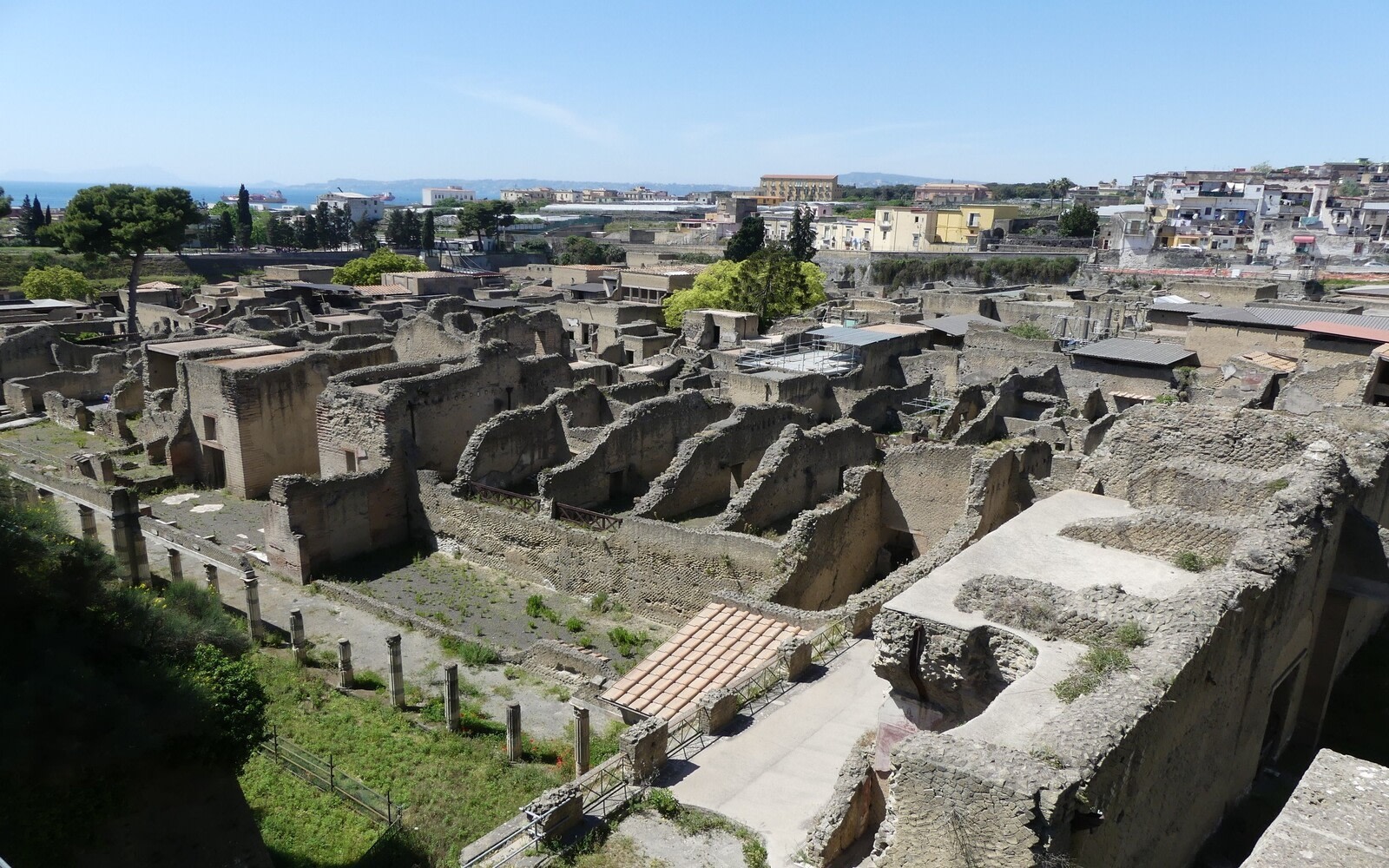
Experience Herculaneum like an insider! Fabrizio curates an exclusive route through the city’s most spectacular highlights, ensuring you don't miss a single hidden gem. Discover opulent villas and remarkably preserved artifacts with an archaeology expert who brings 2,000 years of history to life. It’s more than a tour—it’s a masterclass in Roman luxury, tailored perfectly to your pace and interests.
11
The Antiquarium of Herculaneum offers a fascinating and intimate look at Roman luxury, housing the city’s most delicate treasures in a modern space that perfectly complements the ruins outside. It is uniquely interesting because it displays remarkably preserved organic materials, such as carbonized wooden furniture and textiles, which are rarely found elsewhere in the Roman world. Visitors are captivated by the "Herculaneum Treasure," a shimmering collection found with victims at the ancient shoreline, alongside exquisite statues and vivid frescoes rescued from the volcanic mud. In 2026, the museum’s sophisticated exhibits provide the essential narrative to understand Herculaneum as a wealthy seaside retreat, making it an indispensable stop to see the refined artistry and tragic final moments of the people who lived there.
12
Visiting the Boat Pavilion in Herculaneum is a profoundly interesting and moving experience that offers a direct, visceral connection to the 79 AD eruption victims and the unique preservation conditions of the city. Housed in a dedicated exhibit near the ancient shoreline, the pavilion displays the carbonized keel of a 9-meter-long boat, perhaps a military vessel sent to aid in the evacuation, found exactly where it was upturned by the force of the pyroclastic flows. Inside the same area, visitors can view smaller artifacts like fishing weights, nets, and a carbonized rope, which provide insights into the maritime life of Herculaneum. This exhibit is a powerful testament to the human tragedy and the extraordinary preservation of organic materials at Herculaneum due to the lack of oxygen in the volcanic mud.
13
The Ancient Beach in Herculaneum, which reopened to the public in 2024 after a major restoration, offers a profound and immersive walk along the very shoreline where the tragedy of 79 AD reached its climax. This unique area allows you to stand on the original volcanic sand and look up at the massive arches of the fornici (boat sheds), where the skeletal remains of over 300 residents were discovered huddled in their final moments. It is fascinating to see the literal layers of history, as the beach remains several meters below the modern ground level, providing a visceral sense of how the volcanic flows completely reshaped the landscape. Walking this rediscovered coast, visitors gain a hauntingly clear perspective on the desperate escape attempts by sea and the sheer power of the eruption that froze this wealthy Roman resort town in time.
14
Visiting the House of the Cervi (House of the Stags) is an essential highlight of Herculaneum, offering a window into the peak of Roman seaside luxury and sophisticated architectural design. This sprawling, aristocratic villa is uniquely interesting for its "inverted" layout, featuring a grand panoramic terrace and a large open garden designed to capture the sea breezes and views of the Gulf of Naples. The house is named after the two world-famous, remarkably expressive marble statues of stags being attacked by hounds found in its garden, which remain iconic symbols of the city’s artistic refinement.
15
The House of Neptune and Amphitrite is a breathtaking highlight of Herculaneum, home to one of the most vibrant and iconic wall mosaics in the Roman world, depicting the gods in shimmering gold and blue glass paste. This residence is uniquely interesting because it offers a perfectly preserved look at a wealthy merchant’s life, featuring a stunning outdoor summer triclinium (dining room) decorated with shells and lava stone. Just next door, the experience becomes even more fascinating at the attached shop, which is widely considered the best-preserved grocery store from antiquity. Here, you can still see the original wooden shelves and carbonized storage bins that once held legumes and grain, providing an incredible, tangible connection to the daily commerce and domestic habits of a city frozen in time by volcanic mud.
16
Visiting the Women’s Baths (Terme Femminili) in Herculaneum is a fascinating experience that offers an intimate and exceptionally well-preserved look at Roman social life, appearing far more complete than similar structures in Pompeii. As you enter through the original vaulted doorway, you are greeted by an exquisite black-and-white floor mosaic in the apodyterium (changing room) depicting Triton surrounded by dolphins, a masterpiece that remains remarkably vivid. The site is uniquely interesting for its survival of organic details, such as the original wooden shelves once used by women to store their clothing and the intact barrel-vaulted ceilings that still retain their elegant stucco decorations. Moving through the sequence from the warm tepidarium—decorated with a mesmerizing labyrinth-patterned mosaic—to the caldarium (hot room) with its hollow-wall heating system, you gain a tangible sense of the luxury and privacy afforded to Roman women in this wealthy seaside town.
17
Touring the Palestra (Gymnasium) in Herculaneum is a spectacular experience that reveals the sheer scale of Roman civic pride and their dedication to physical culture. This massive, sun-drenched complex is anchored by a monumental cross-shaped swimming pool (natatio), featuring a unique fountain in the shape of a five-headed hydra that still inspires awe for its artistic and hydraulic complexity. As you walk through the sprawling courtyard once lined with majestic columns, you gain a visceral sense of the city's wealth, further highlighted by the discovery of a perfectly preserved carbonized wooden statue of a local benefactor. In 2026, the Palestra remains a standout site because it feels like a grand, empty stage, allowing you to easily imagine the vibrant energy of ancient athletes and youth organizations practicing under the Mediterranean sun just before the eruption changed everything.
18
Incredible Roman Advertisement from a Wine-Seller!
What's not included
Admission Fees - approx. € 40 per adult person for both sites - free under 18 yrs showing valid ID
Wine experience including Lunch - approx. € 50 per person all inclusive
The tour does NOT reach the top of the Mt Vesuvius
Available languages
Guide guide
EN
IT
FR
ES
Reviews breakdown
Viator
5.0
34 reviews
5★
34
4★
0
3★
0
2★
0
1★
0
Tripadvisor
5.0
55 reviews
5★
55
4★
0
3★
0
2★
0
1★
0
Important information
Service animals allowed
Specialized infant seats are available
Not recommended for travelers with spinal injuries
Not recommended for pregnant travelers
Not recommended for travelers with poor cardiovascular health
Travelers should have at least a moderate level of physical fitness
About Sorrento
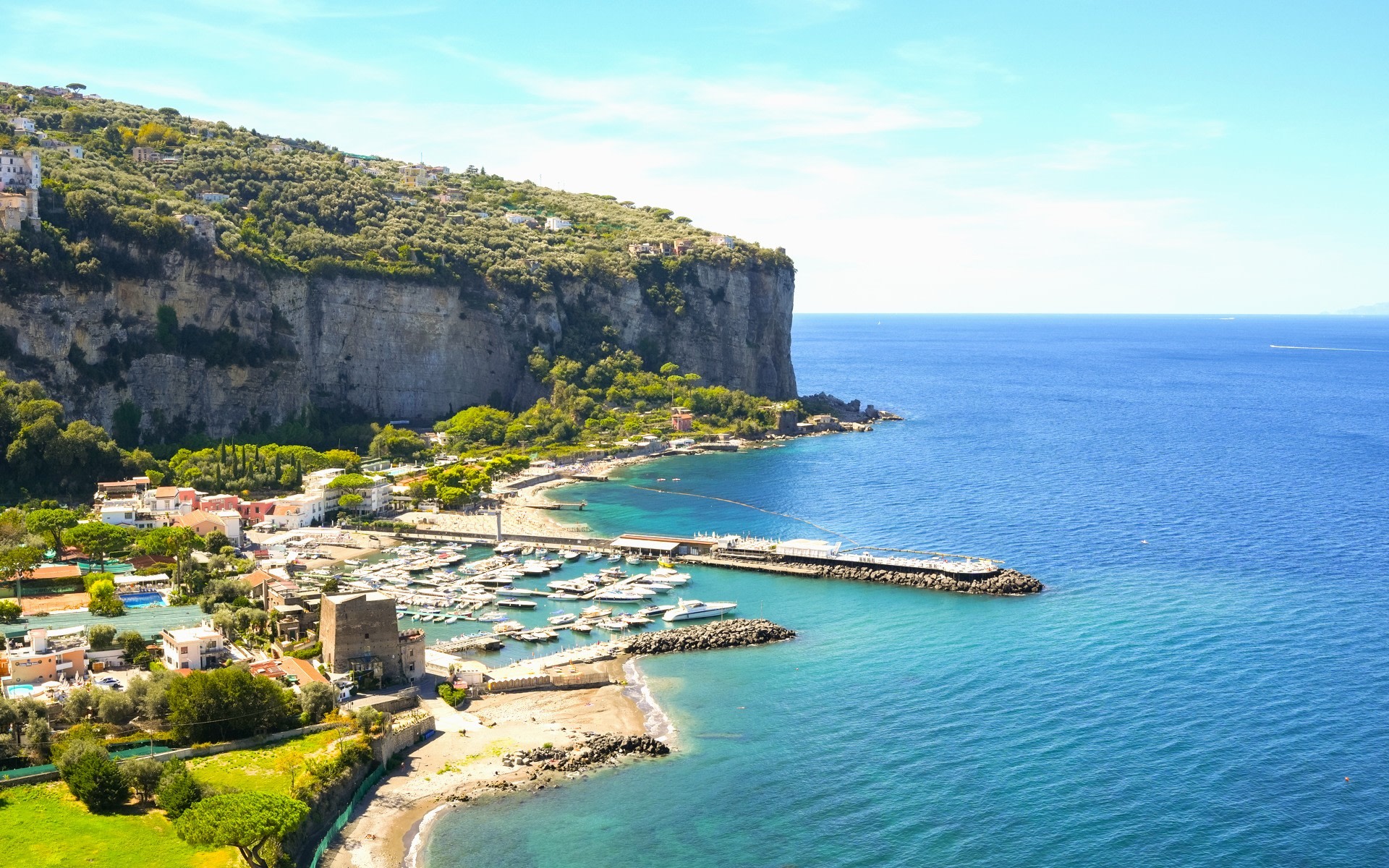
Sorrento is a charming coastal town on the Amalfi Coast, known for its stunning views, lemon groves, and historic center. It's a gateway to the Amalfi Coast and offers a mix of relaxation, culture, and adventure.
Top Attractions
Piazza Tasso
The main square of Sorrento, named after the famous poet Torquato Tasso. It's a lively spot with cafes, restaurants, and street performers.
Historical
30 minutes to a few hours
Free
Sorrento Cathedral
A beautiful 19th-century cathedral dedicated to Saint Mary of the Assumption. It features a mix of architectural styles and a stunning interior.
Religious
30 minutes
Free
Villa Tasso
A historic villa that once hosted the famous poet Torquato Tasso. It offers beautiful gardens and panoramic views of the coast.
Historical
1 hour
Free
Marina Grande
The main beach of Sorrento, offering a mix of sandy and pebbly shores. It's a popular spot for swimming, sunbathing, and enjoying seafood at nearby restaurants.
Beach
Half day
Free (beach clubs may charge)
Museo Correale di Terranova
A museum showcasing the history and culture of Sorrento, with exhibits on local crafts, art, and archaeology.
Museum
1-2 hours
€7
Must-Try Local Dishes
Spaghetti alle Vongole
Spaghetti with clams, a classic dish made with fresh clams, garlic, olive oil, and white wine.
Main Course
Contains seafood
Sfogliatella
A traditional Italian pastry filled with sweet ricotta cheese and candied fruit.
Dessert
Contains dairy
Limoncello
A lemon liqueur made from the local Sorrento lemons, typically served as a digestif.
Drink
Contains alcohol
Popular Activities
Hiking the Path of the Gods
Scuba diving
Boat tours
Beach activities
Spa treatments
Wine tasting
Visiting museums
Attending festivals
Best Time to Visit
June to August
The peak season offers the best weather for beach activities and exploring the town. However, it's also the most crowded and expensive time.
25°C to 35°C
77°F to 95°F
Practical Information
Language
- Official: Italian
- Widely spoken: English, French, German
- English: Moderately spoken
Currency
Euro (EUR)
Time Zone
GMT+1 (CET), GMT+2 (CEST) during daylight saving time
Electricity
230VV, 50HzHz
Safety Information
Overall Safety Rating: Generally safe
Sorrento is generally safe for tourists, with low crime rates. However, petty theft can occur in crowded areas.
Important Precautions:
- • Keep valuables secure in crowded areas
- • Use licensed taxis or rideshare services
- • Be cautious of strangers approaching you with petitions or surveys
Getting there
By air
- Naples International Airport • 50 km
By train
Sorrento Station
By bus
Sorrento Bus Terminal
Getting around
Public transport
Buses are the primary mode of public transport in Sorrento and connect to other towns on the Amalfi Coast.
Taxis
Available • Apps: MyTaxi
Rentals
Car, Bike, Scooter
Neighborhoods
Marina Grande
Town Center
Capo di Sorrento
Day trips
Amalfi Coast
10-30 km • Half day to full day
The Amalfi Coast is a stunning stretch of coastline with picturesque towns, beautiful beaches, and breathtaking views.
Capri
10 km (by boat) • Full day
A beautiful island known for its luxurious villas, stunning views, and the famous Blue Grotto.
Pompeii
30 km • Half day
An ancient Roman city preserved by volcanic ash from the eruption of Mount Vesuvius in 79 AD.
Festivals
Festa di San Paolo • June 29-30
Limoncello Festival • July
Sorrento Film Festival • September
Pro tips
- Visit the lemon groves for a unique and authentic experience
- Try a limoncello tasting to sample the local specialty
- Explore the Path of the Gods for stunning views and a challenging hike
- Take a boat tour to see the coastline from the water
- Visit during the shoulder season for fewer crowds and lower prices
Get Price
per person
Price varies by option
Secure booking
Free cancellation available