Capital City, Churches & Forts Of Goa, Old Goa Churches, Panaji City.
Active
6h - 8h
For a full refund, cancel at least 24 hours before the scheduled departure time.
Instant confirmation
Mobile or paper ticket accepted
About this experience
A view of the breath taking Forts of Goa and the magnificent churches of Old Goa. Enjoy a tour of the marvelous Panjim City.
All tours booked for Shore Excursion (Pick up from Port) will be considered as group tour
SIC basis upto 15 pax using a mini van, and all tours booked for FIT (Pick up from hotel or
airport) will be considered as private tour using a car.
Available options
Pick up from Ports & Hotels
Duration: 6 hours<br/>A/c Private Vehcile<br/>Pickup included
CAPITAL CITY, CHURCHES & FORTS OF GOA, OLD GOA CHURCHES, PANAJI CITY.
Pickup included
What's included
Private transportation
All Fees and Taxes
Local Guide
Detailed itinerary
1
Stop 1
Start with Panaji city, also known as Panjim, is the state capital of Goa, in southwest India. Located on the banks of the Mandovi River, the city has cobblestone streets lined with colorful villas an buildings from the Portuguese colonial era. Palm-fringed Miramar Beach sits at the confluence of the river and the Arabian Sea. Set on a hill overlooking the city is the baroque Our Lady of Immaculate Conception Church, built in 1619.
2
Stop 2
Walking tour in Fontainhas (or Bairro das Fontainhas, in Portuguese) is an old Latin Quarter in Panjim, capital city of the state of Goa, India. It maintains its Portuguese influence, particularly through its architecture, which includes narrow and picturesque winding streets like those found in many European cities, old villas and buildings with projecting balconies painted in the traditional tones of pale yellow, green, or blue, and roofs made of red coloured tiles. Fontainhas’ heritage ambience represents the traditional Portuguese influence in the area
3
Stop 3
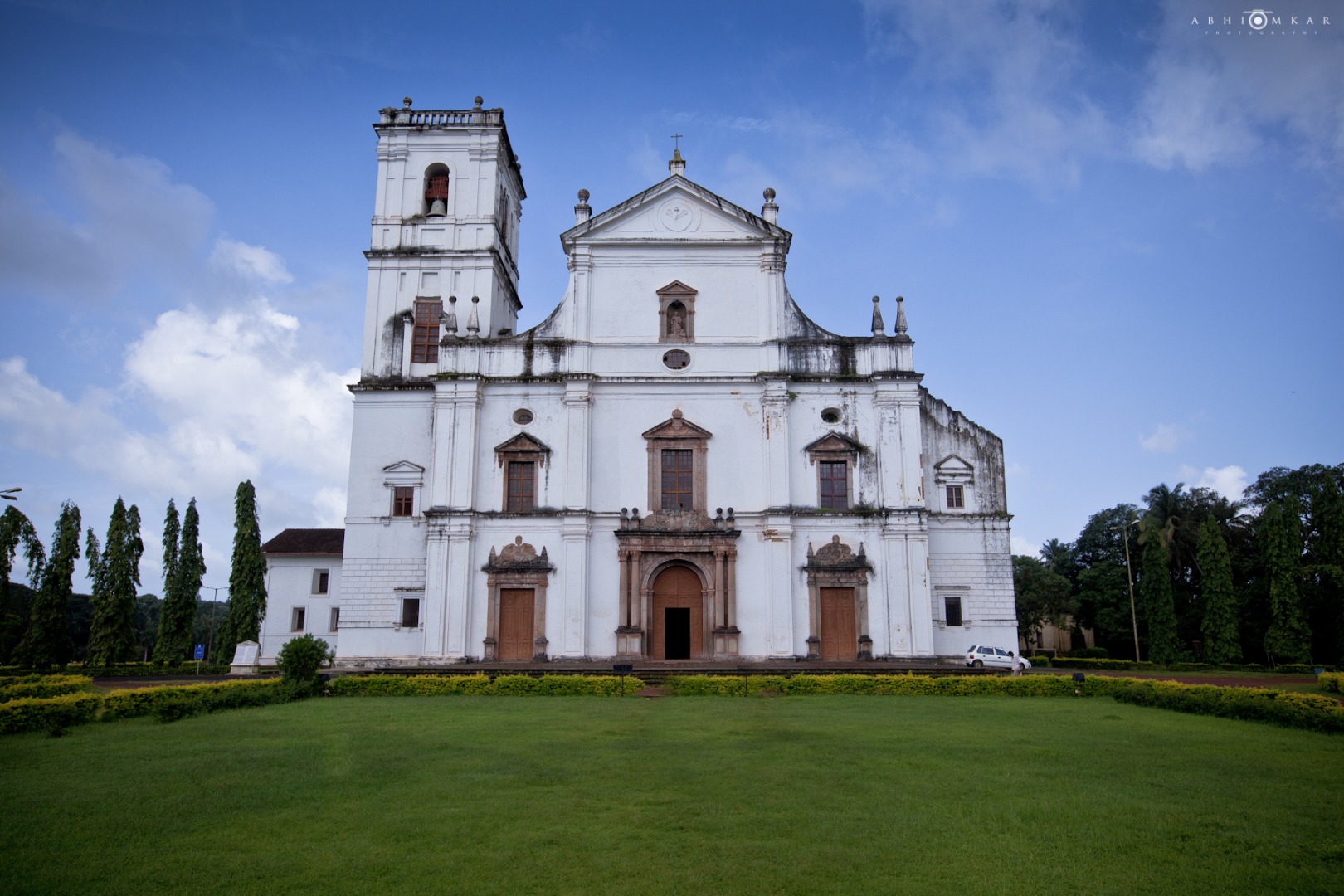
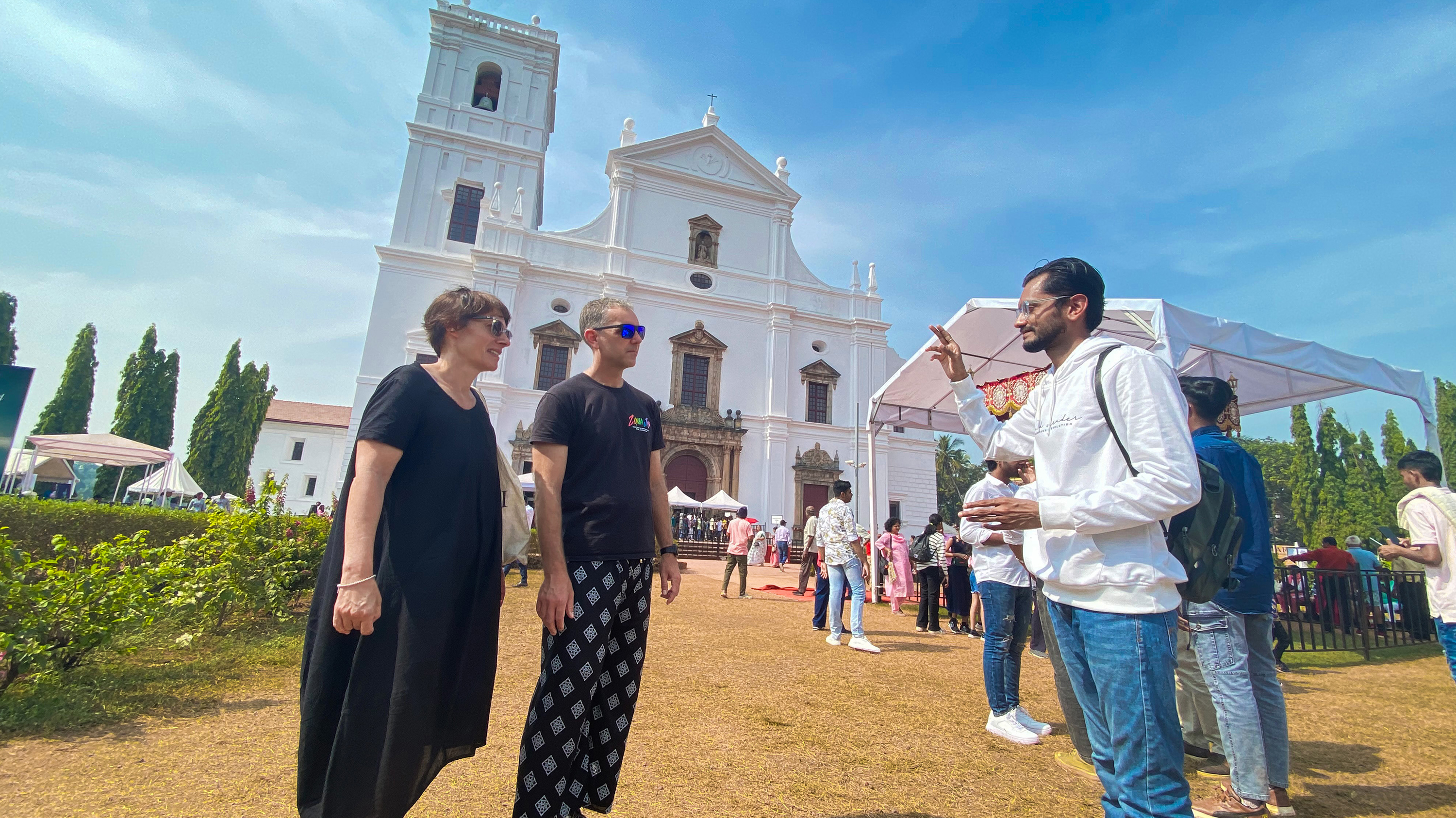
Old Goa, also called Velha Goa, is beside the Mandovi River in the western Indian state of Goa. The former capital of Portuguese India, it’s known for colonial-era monuments like the Basilica of Bom Jesus, with the remains of St. Francis Xavier, and the domed Church of St. Cajetan, inspired by St. Peter’s in Rome. Nearby, the vast Se Cathedral, built in the 16th–17th centuries, has ornate chapels and a bell tower.
4
Stop 4
The Fort, originated as an armed outpost of the Adil Shah of Bijapur in 1493. When Bardez was conquered by the Portuguese in 1541, the Fort was built along with the church. From 1900, it lost its defensive role and was used as a jail and was finally abandoned in 1993 after which it was at the mercy of the elements, and had begun to crumble. Restoration work on the fort began in 2008 with the funds being provided by the UK-based Helen Hamlyn Trust, INTACH – a non-governmental organisation dealing with restorations of monuments, and the Government of Goa. Renowned architect Gerard da Cunha was hired to restore the fort.[1] The fort is now converted into a cultural centre, besides being used a tourist attraction.
5
Stop 5
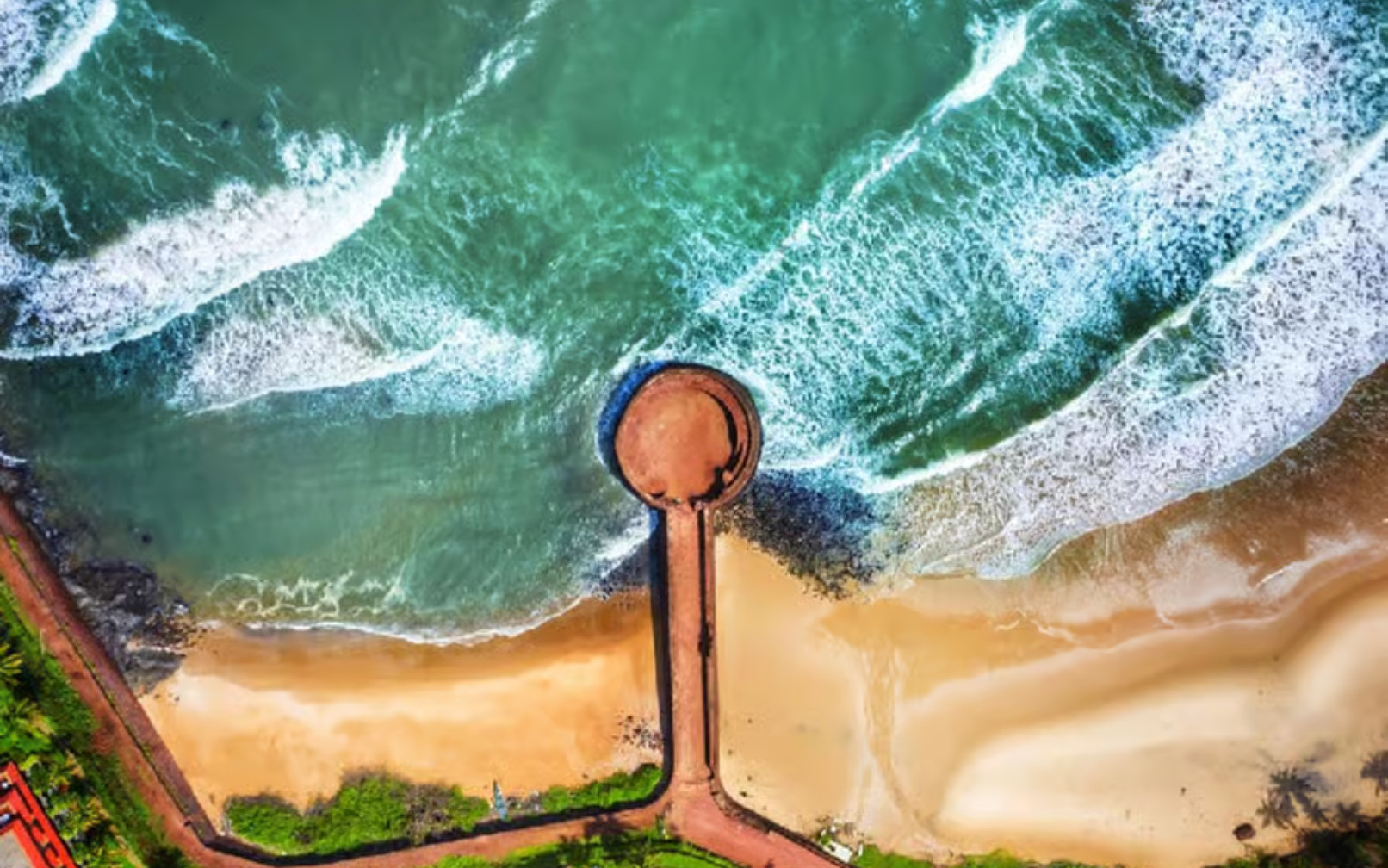
The fort was constructed in 1612 to guard against the Dutch and the Marathas. It was a reference point for the vessels coming from Europe at that time. This old Portuguese fort stands on the beach south of Candolim, at the shore of the Mandovi River. It was initially tasked with defense of shipping and the nearby Bardez sub district.
A freshwater spring within the fort provided water supply to the ships that used to stop by. This is how the fort got its name: Aguada, meaning Water. Crews of passing ships would often visit to replenish their fresh water stores. On the fort stands a four-storey Portuguese lighthouse, erected in 1864 and the oldest of its kind in Asia. Built in 1612, it was once the grandstand of 79 cannons. It has the capacity of storing 2,376,000 gallons of water, one of the biggest freshwater storages of the time in whole of Asia. This fort is divided in two segments: the upper part acted as fort and watering station, while the lower part served as a safe berth for Portuguese ships. Whereas the upper part has a moat, underground water storage chamber, gunpowder room, light house and bastions, it also has a secret escape passage to use during time of war and emergency. The lighthouse at initial stage is used to emit light once in 7 minutes. In 1834 it was changed to emit light creating eclipse every 30 seconds, however it was abandoned in 1976.
Fort Aguada was the most prized and crucial fort of Portuguese. The fort is so large that it envelops the entire peninsula at the south western tip of Bardez. Built on the mouth of river Mandovi, it was strategically located and was the chief defence of Portuguese against the Dutch and Marathas.
What's not included
Lunch
Available languages
Guide guide
EN
Reviews breakdown
Viator
4.7
15 reviews
5★
13
4★
1
3★
0
2★
0
1★
1
Tripadvisor
4.8
6 reviews
5★
5
4★
1
3★
0
2★
0
1★
0
Important information
Public transportation options are available nearby
Infants are required to sit on an adult’s lap
Not recommended for travelers with spinal injuries
Not recommended for pregnant travelers
Not recommended for travelers with poor cardiovascular health
Suitable for all physical fitness levels
About Goa
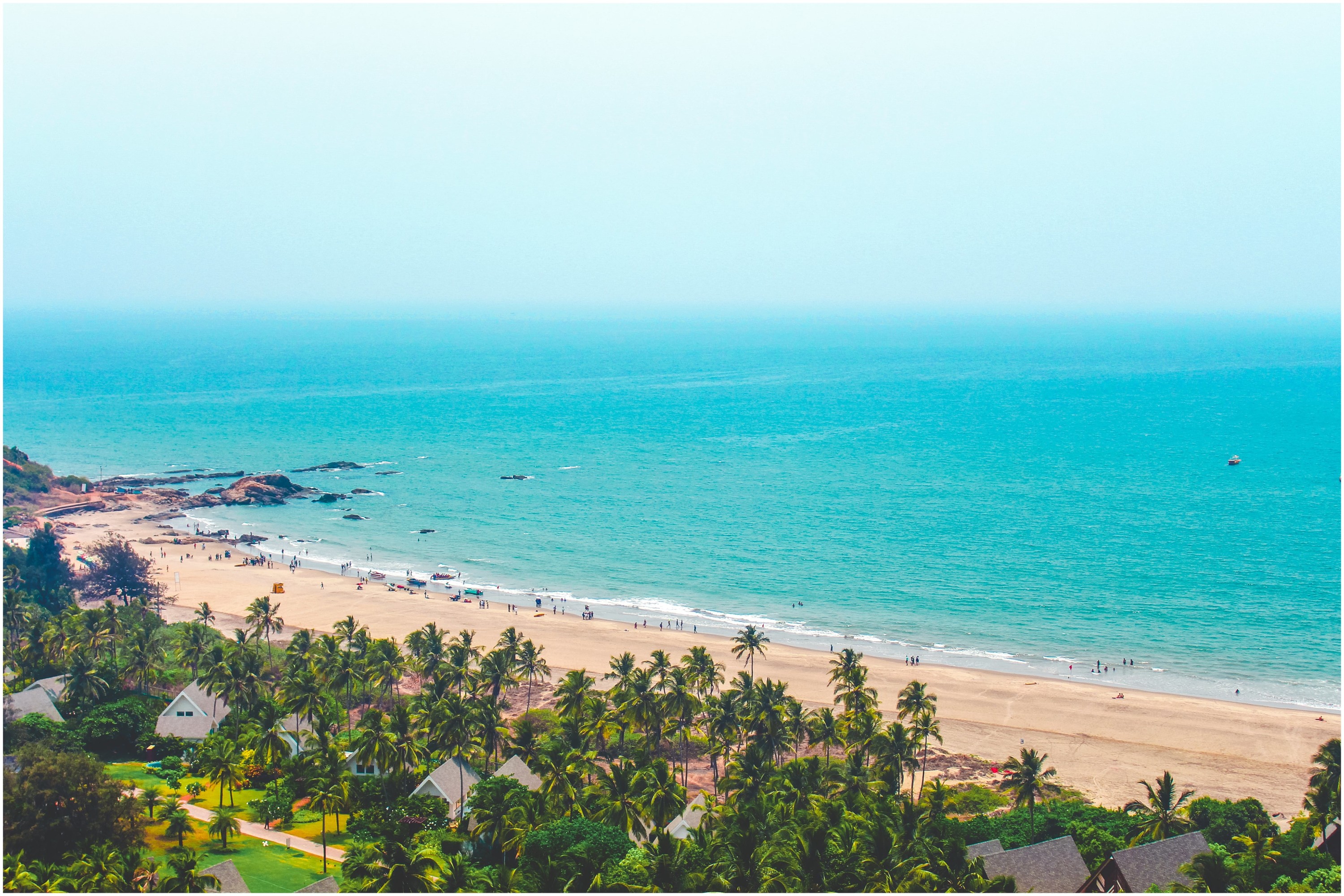
Goa is a vibrant coastal state in India known for its beautiful beaches, rich history, and unique blend of Indian and Portuguese cultures. It offers a mix of relaxation, adventure, and cultural experiences, making it a popular destination for travelers from around the world.
Top Attractions
Palolem Beach
Palolem Beach is one of the most beautiful and popular beaches in Goa, known for its golden sands, clear waters, and relaxed atmosphere.
Beach
Half day to full day
Free
Dudhsagar Falls
Dudhsagar Falls is one of India's tallest waterfalls, located on the Mandovi River. It's a stunning sight, especially during the monsoon season.
Nature
Full day
Free (parking fee may apply)
Basílica de Bom Jesus
The Basílica de Bom Jesus is a UNESCO World Heritage Site and one of the most famous churches in Goa, known for its Baroque architecture and the sacred relics of St. Francis Xavier.
Historical
1-2 hours
Free (donations welcome)
Anjuna Flea Market
The Anjuna Flea Market is a popular weekly market where you can find a variety of items, including clothing, jewelry, souvenirs, and local crafts.
Market
2-3 hours
Varies by item
Fort Aguada
Fort Aguada is a well-preserved Portuguese fort that offers stunning views of the Arabian Sea and the surrounding coastline.
Historical
1-2 hours
INR 5 for Indians, INR 100 for foreigners
Must-Try Local Dishes
Goan Fish Curry
A spicy and tangy curry made with fresh fish, coconut milk, and a blend of spices.
Main Course
Contains fish and coconut
Vindaloo
A spicy pork curry with origins in Portuguese cuisine, made with pork, vinegar, garlic, and red chilies.
Main Course
Contains pork and spices
Bebinca
A traditional Goan dessert made with layers of flour, coconut milk, and jaggery, baked to perfection.
Dessert
Contains flour, coconut, and jaggery
Coconut Feni
A local alcoholic beverage made from fermented coconut or cashew apples, known for its strong flavor and high alcohol content.
Drink
Contains alcohol
Popular Activities
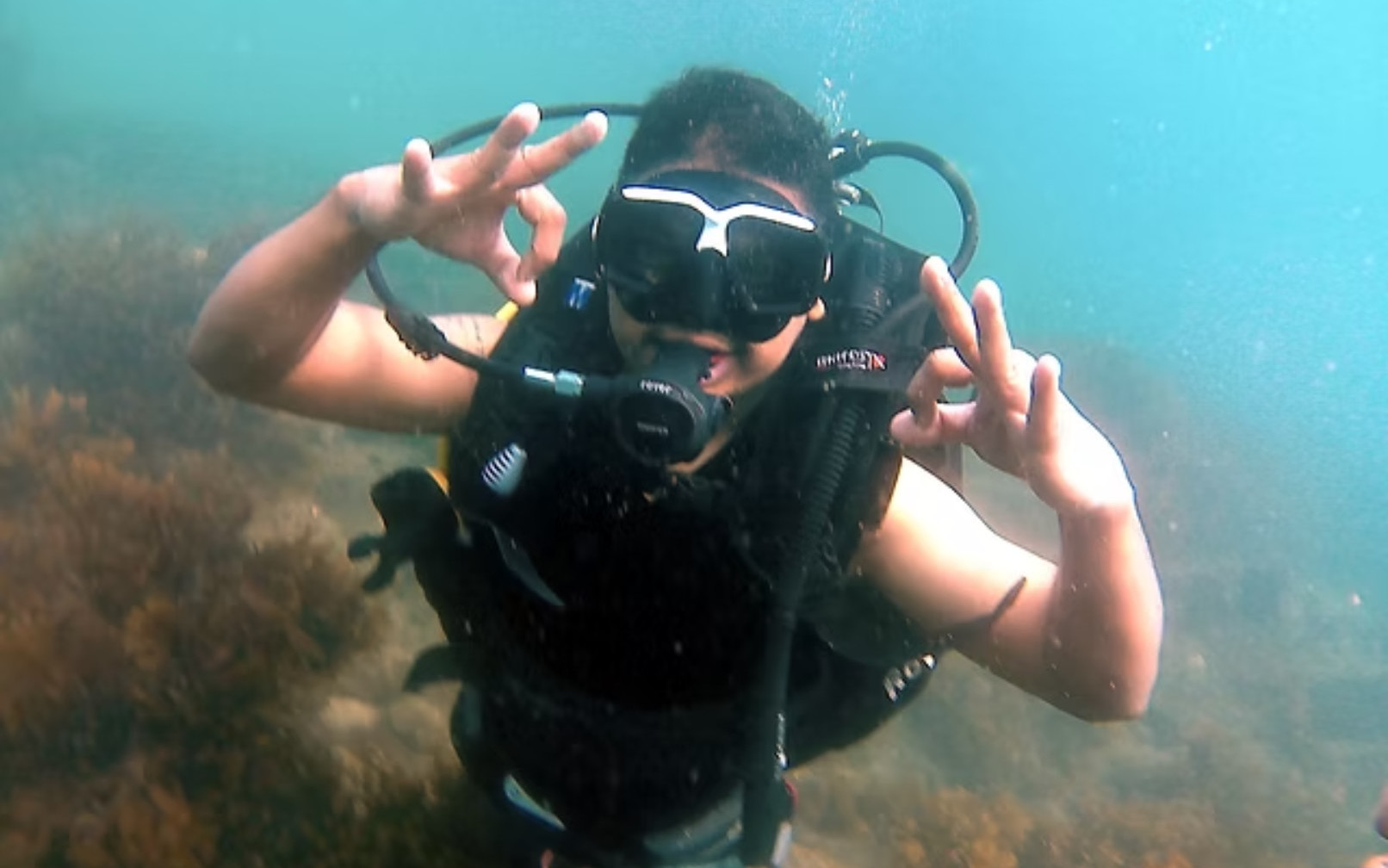
Water sports (jet skiing, parasailing, scuba diving)
Trekking to Dudhsagar Falls
ATV rides on the beach
Beach lounging and sunbathing
Yoga and meditation
Spa treatments
Visiting historical sites and museums
Attending local festivals and events
Best Time to Visit
November to February
This is the best time to visit Goa, with pleasant weather, clear skies, and ideal conditions for beach activities and sightseeing.
25°C to 35°C
77°F to 95°F
Practical Information
Language
- Official: Konkani, English
- Widely spoken: Portuguese, Marathi, Hindi
- English: Widely spoken
Currency
Indian Rupee (INR)
Time Zone
IST (UTC+5:30)
Electricity
230VV, 50HzHz
Safety Information
Overall Safety Rating: Generally safe
Goa is generally safe for travelers, with low crime rates and a welcoming atmosphere. However, as with any tourist destination, it's important to be aware of your surroundings and take precautions to ensure a safe and enjoyable trip.
Important Precautions:
- • Be cautious of your surroundings, especially at night and in crowded areas.
- • Use reputable taxi and tour services, and agree on a fare or price before starting your journey.
- • Keep your valuables secure and out of sight, and avoid carrying large amounts of cash.
Getting there
By air
- Dabolim Airport • 29 km from Panaji
By train
Thivim Railway Station, Madgaon Railway Station
By bus
Kadamba Transport Corporation (KTCL) Bus Stand in Panaji
Getting around
Public transport
KTCL buses are the most common and affordable way to get around Goa. They connect major towns and tourist spots.
Taxis
Available • Apps: Ola, Uber
Rentals
Car, Bike, Scooter
Neighborhoods
Panaji
Calangute
Vagator
Colva
Ponda
Day trips
Dudhsagar Falls
60 km from Panaji • Full day
Dudhsagar Falls is one of India's tallest waterfalls, located on the Mandovi River. It's a stunning sight, especially during the monsoon season.
Old Goa
10 km from Panaji • Half day to full day
Old Goa is a UNESCO World Heritage Site and the former capital of Goa, known for its well-preserved Portuguese-era churches and cathedrals.
Spice Plantations
20-30 km from Panaji • Half day to full day
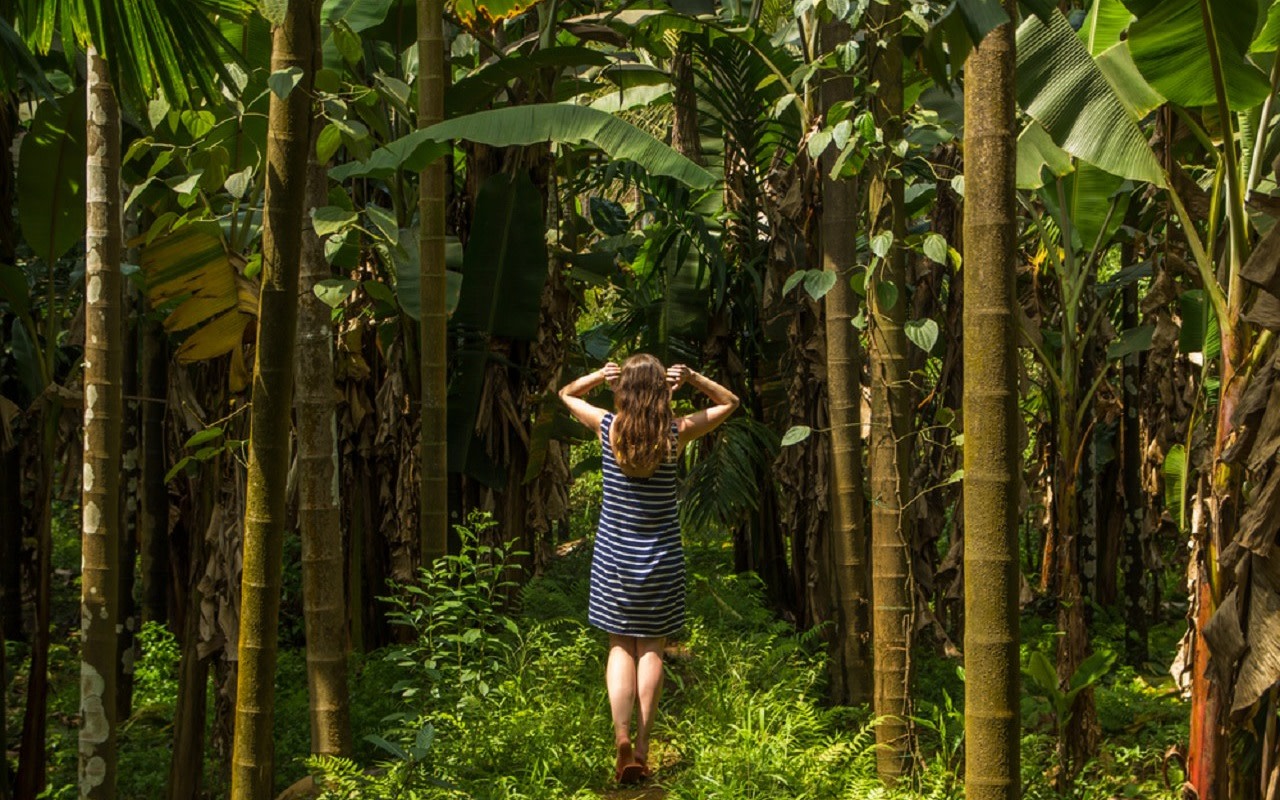
Goa is known for its lush spice plantations, where visitors can learn about the cultivation and processing of spices like pepper, cinnamon, and cardamom.
Festivals
Sunburn Festival • December
Goa Carnival • February/March
Sao Joao Festival • June 24th
Pro tips
- Visit during the shoulder or off-peak season (March to May, October, or June to September) to avoid crowds and enjoy lower prices.
- Rent a scooter or bike to explore the region at your own pace and discover hidden beaches and coves.
- Try local street food and snacks, such as pork vindaloo, fish curry, and bebinca, for an authentic and delicious culinary experience.
- Attend a local festival or event, such as the Sunburn Festival or the Goa Carnival, for a unique and unforgettable cultural experience.
- Explore the region's rich history and culture by visiting ancient temples, churches, and museums, and learning about its Portuguese and Indian heritage.
Get Price
per person
Price varies by option
Secure booking
Free cancellation available
Instant confirmation