Dambulla and Sigiriya Private Cycling Tour in Pasikuda, Kalkuda
Active
11h - 12h
For a full refund, cancel at least 24 hours before the scheduled departure time.
Instant confirmation
Mobile or paper ticket accepted
About this experience
Discover a captivating world UNESCO heritage two sites Dambulla Cave Temple and Sigiriya Lion Rock by cycle. This tour offers an incredible cycle safari experience along the cultural corridor to the countryside. Your cycle safari stretches 10 km around the Dambulla Cave Temple and Sigiriya Lion Rock to the most exciting local village in Sri Lanka. During the safari capture spectacular paddy fields, water reservoirs, and ruins of Sigiriya and Dambulla and recall Sri Lanka's inspiring history.
In the afternoon you will have an opportunity to taste a local lunch cooked by yourself and swim a magnificent water reservoirs with panoramic surroundings. Later we will drop you off at your hotel in Pasikuda/Kalkuda
We should spend about 5 hrs transport time for Passikudha to Sigiriya & Comeback to Sigiriya
Available options
Dambulla and Sigiriya Private Cycling Tour in Pasikuda, Kalkuda
Pickup included
What's included
Transportation in a Comfortable A/C Vehicle
Cost of Cycle and equipment
All Government Tax & Charges
English Speaking Cycle Safari Guide
Mineral Water Bottle
Detailed itinerary
1
Dambulla is part of the Cultural Triangle of Sri Lanka. Five caves made of living rock and decorated with sculptures and murals are the most significant heritage. Pre-Brahmi inscriptions dating back to the third century BC, and murals from the eighteenth century, show human activity over a long time. This site was designated a World Heritage Site by UNESCO in 1991. The Dambulla Project, Central Cultural Fund, was responsible for mural conservation from 1982 to 1998.
The Dambulla Project, which is the only research center for murals and headquarters for mural conservation, also maintains Sri Lanka's only mural museum. This Project is also responsible for mural conservation in the surrounding temples. It is located at Dambulla Cave Temple.
2
Stop 2
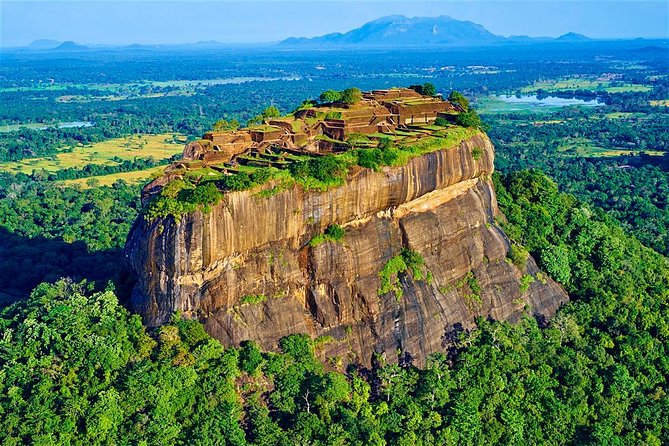
Sinhagiri, also known as Sigiriya, is an ancient rock fortress in Sri Lanka's northern Matale District. It is located near Dambulla in Central Province. This site is of historic and archaeological importance. It is dominated by a huge column of rock measuring 180m (590 ft).
According to the ancient Sri Lankan chronicle, the Culavamsa, the area was once a forest. After storms and landslides, it became a hill. King Kashyapa (477-495 AD) selected the area as his capital. This rock was his foundation and he decorated the sides of his palace with colorful frescoes. He built a gateway in the form of a huge lion on a small plateau located halfway up this rock's side. This structure is the source of the name Sinhagiri (the Lion Rock), which is an etymology that is similar to Sinhapura (the Sanskrit name for Singapore, The Lion City).
What's not included
Sigiriya Lion's Rock
Dambulla Rock Temple
Available languages
Guide guide
EN
Important information
Not recommended for travelers with spinal injuries
Not recommended for pregnant travelers
Not recommended for travelers with poor cardiovascular health
Travelers should have at least a moderate level of physical fitness
Traveller should spend about 5 hrs transport time for Passikudha to Sigiriya & Comeback to Sigiriya
About Batticaloa
Batticaloa is a coastal city in the Eastern Province of Sri Lanka, known for its beautiful beaches, rich cultural heritage, and vibrant fishing community. The city offers a unique blend of natural beauty, historical sites, and traditional experiences that make it a distinctive destination in Sri Lanka.
Top Attractions
Batticaloa Lagoon
The Batticaloa Lagoon is a beautiful natural feature with serene waters and scenic views, perfect for boating and fishing.
Nature
1-2 hours
Budget
Batticaloa Fort
This historic fort was built by the Dutch in the 17th century and offers a glimpse into the city's colonial past.
Historical
1 hour
Free
Kallady Bridge
This iconic bridge connects Batticaloa to the mainland and is a popular spot for photography and relaxation.
Architectural
1-2 hours
Free
Must-Try Local Dishes
Lamprais
A Dutch-influenced dish consisting of rice, meat, and vegetables wrapped in a banana leaf.
Main Course
Contains meat
Kokis
A crispy, deep-fried snack made from rice flour and coconut.
Snack
Vegetarian
Popular Activities
Boating
Water sports
Beach walks
Sunbathing
Historical site visits
Local festivals
Swimming
Fishing
Best Time to Visit
January to April
This is the best time to visit Batticaloa as the weather is pleasant and dry, making it ideal for beach activities and sightseeing.
28°C to 32°C
82°F to 90°F
Practical Information
Language
- Official: Sinhala, Tamil
- Widely spoken: English
- English: Moderately spoken
Currency
Sri Lankan Rupee (LKR)
Time Zone
GMT+5:30
Electricity
230VV, 50HzHz
Safety Information
Overall Safety Rating: Generally safe
Batticaloa is generally safe for tourists, but standard precautions should be taken to ensure a safe and enjoyable trip.
Important Precautions:
- • Keep valuables secure
- • Be cautious of scams
- • Avoid walking alone at night in unfamiliar areas
Getting there
By air
- Batticaloa Airport • 5 km from city center
By train
Batticaloa Railway Station
By bus
Batticaloa Bus Stand
Getting around
Public transport
Local buses are the most common and affordable way to get around Batticaloa.
Taxis
Available • Apps: PickMe
Rentals
Car, Bike, Scooter
Neighborhoods
City Center
Kallady
Day trips
Pasikudah
30 km • Half day
Pasikudah is a beautiful beach destination known for its white sand and clear waters.
Kumana National Park
60 km • Full day
Kumana National Park is a wildlife sanctuary known for its diverse birdlife and scenic landscapes.
Festivals
Batticaloa Festival • August
Pro tips
- Visit the Batticaloa Lagoon for a serene and relaxing experience.
- Explore the city's historical sites, including the Batticaloa Fort.
- Try local seafood dishes at the beachfront restaurants.
- Book accommodations in advance during peak season.
- Use public transport for an affordable and authentic experience.
Get Price
per person
Price varies by option
Secure booking
Free cancellation available
Instant confirmation