Gero: Hot Spring Town Walk and Japanese Onsen Culture
Active
2h
For a full refund, cancel at least 24 hours before the scheduled departure time.
Instant confirmation
Mobile or paper ticket accepted
About this experience
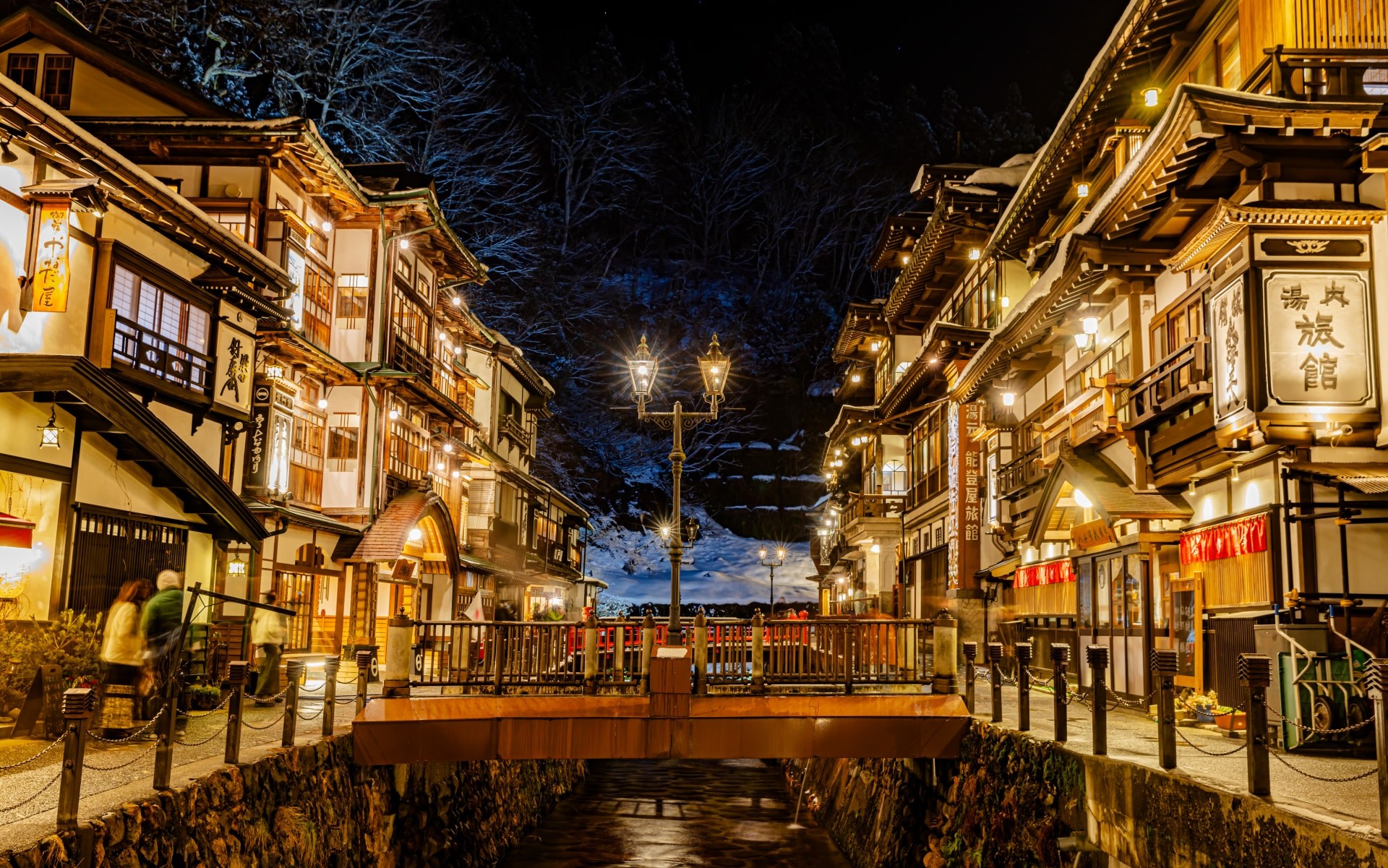
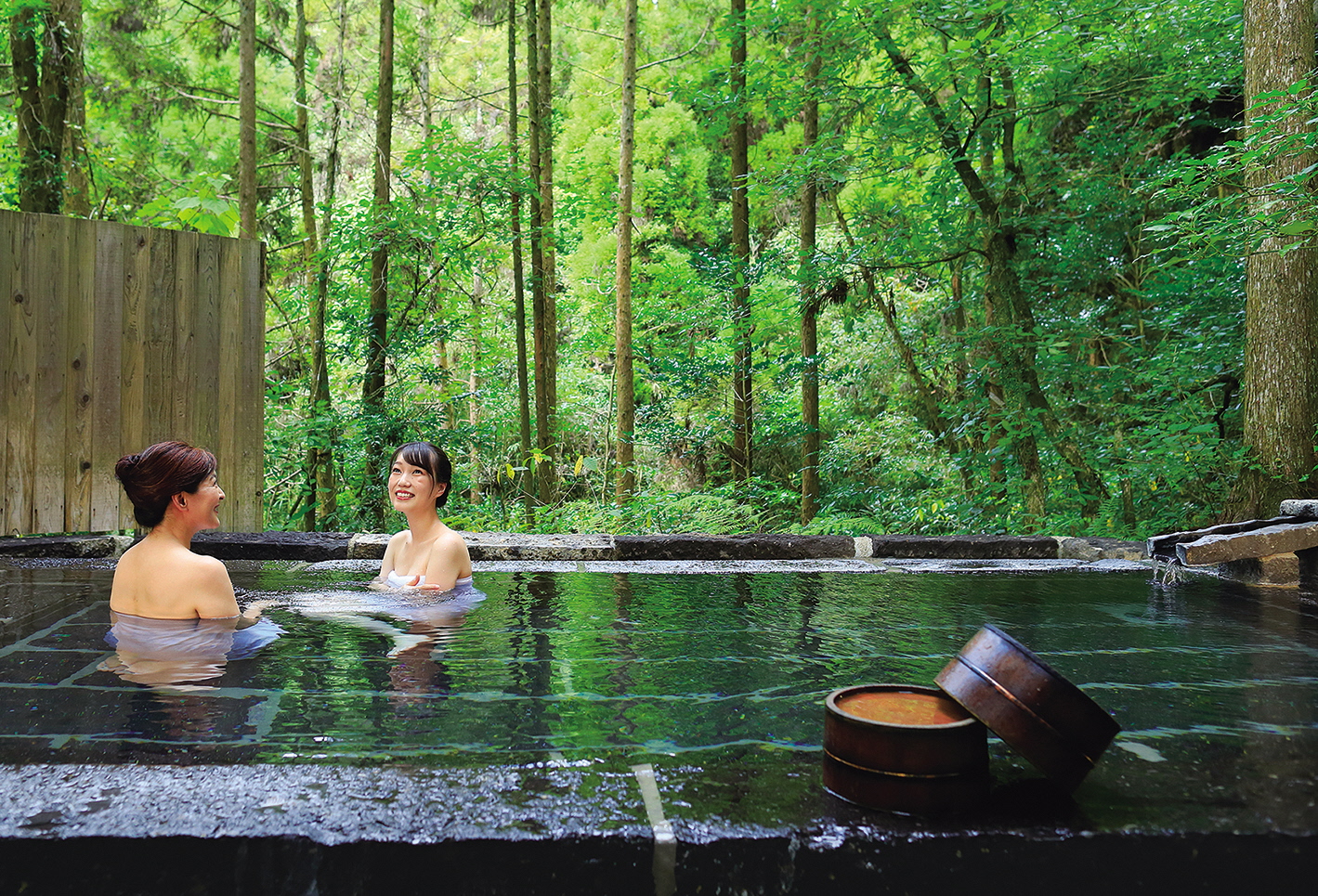
Discover the cultural heart of Gero Onsen, a renowned hot spring town in Japan, known for its soothing alkaline waters and rich heritage. This guided walking tour dives into the significant role hot springs play in Japanese culture, history, and daily life. Start in the town center to learn about Gero’s evolution as a healing destination, visit the Gero Hot Spring Museum for insights into the science behind the springs, and hear the enchanting White Heron Legend at Onsenji Temple. Conclude your journey with local onsen street food, bringing a taste of Gero's vibrant hospitality to life.
- Explore Gero Onsen’s unique history and cultural significance
- Visit the Gero Hot Spring Museum and learn about bathing customs
- Discover the White Heron Legend at Onsenji Temple
- Enjoy local onsen street food with your guide, embracing Gero's hospitality
Available options
Gero: Hot Spring Town Walk and Japanese Onsen Culture
What's included
Tasting of local onsen street food
Guided walking tour of Gero Onsen
Detailed itinerary
1
Gero Onsen is one of Japan’s most famous hot spring towns, long praised for its smooth, alkaline waters. Known as a place of healing and relaxation, the town developed at a crossroads of historic travel routes and remains a symbol of Japanese onsen culture and hospitality.
2
The Gero Hot Spring Museum explains how hot springs are formed underground and why water quality differs across Japan. Through exhibits and models, visitors learn about geothermal science, regional spring types, and the cultural role of bathing in Japanese life.
3
Onsenji Temple overlooks Gero Onsen and is closely linked to the town’s hot spring legends. According to tradition, a sacred white heron revealed the healing waters to people. The temple reflects the deep connection between hot springs, faith, and gratitude toward nature.
What's not included
Hot spring bathing
Available languages
Guide guide
EN
Important information
Public transportation options are available nearby
Suitable for all physical fitness levels
Meeting point
Please meet in front of the Lawson Gero Onsen store, where your guide will be waiting for you holding a yellow sign. For detailed directions, please refer to the map.
About Gero
Gero is a charming town in central Japan, renowned for its hot springs and scenic beauty. Nestled in the mountains of Gifu Prefecture, it offers a serene escape with traditional ryokan (inns) and rejuvenating onsen experiences.
Top Attractions
Gero Onsen
Gero is famous for its hot springs, known for their therapeutic properties. The town has numerous public and private onsen facilities.
Hot Spring
2-4 hours per visit
Free to ¥1,500
Hida Folk Village
An open-air museum showcasing traditional thatched-roof houses and folk crafts from the Hida region.
Cultural
2-3 hours
¥700
Kamigiri Park
A scenic park with walking trails, a waterfall, and beautiful views of the surrounding mountains.
Nature
1-2 hours
Free
Must-Try Local Dishes
Hida Beef
A premium type of wagyu beef known for its tenderness and flavor, often grilled or served as sashimi.
Dinner
Contains beef, not suitable for vegetarians or vegans
Gero Soba
Buckwheat noodles served hot or cold, often with a dipping sauce or in a broth.
Lunch/Dinner
Vegetarian if served without toppings
Onsen Tamago
Eggs slowly cooked in the hot springs, resulting in a creamy, custard-like texture.
Snack
Vegetarian
Popular Activities
Hiking
Mountain biking
Onsen
Meditation
Traditional crafts
Local festivals
Onsen bathing
Skiing
Best Time to Visit
Spring (March to May) and Autumn (September to November)
These seasons offer comfortable weather for outdoor activities and sightseeing. The autumn foliage and spring blossoms are particularly beautiful.
10-25°C
50-77°F
Practical Information
Language
- Official: Japanese
- Widely spoken: English (limited)
- English: Limited
Currency
Japanese Yen (JPY)
Time Zone
JST (UTC+9)
Electricity
100VV, 50/60HzHz
Safety Information
Overall Safety Rating: Generally safe
Gero is a safe and welcoming destination for travelers. Petty crime is rare, and the town is generally peaceful.
Important Precautions:
- • Be cautious of pickpockets in crowded areas
- • Beware of natural hazards such as earthquakes and heavy snowfall
- • Follow onsen etiquette to avoid cultural misunderstandings
Getting there
By air
- Chubu Centrair International Airport • 100 km
- Nagoya Airfield • 80 km
By train
Gero Station
By bus
Gero Bus Terminal
Getting around
Public transport
Buses are the primary mode of public transport in Gero, with frequent services to popular onsen areas and scenic spots.
Taxis
Available • Apps: None widely used
Rentals
Car, Bike, Scooter
Neighborhoods
Onsen District
Downtown Gero
Kamigiri Area
Day trips
Takayama
40 km • Full day
A charming town known for its well-preserved Edo-period streets, traditional houses, and annual festivals.
Shirakawa-go
50 km • Full day
A UNESCO World Heritage Site famous for its traditional gassho-zukuri farmhouses.
Gujo Hachiman
60 km • Full day
A picturesque town known for its well-preserved samurai district, historic castle, and annual dance festival.
Festivals
Gero Onsen Festival • August
Gero Cherry Blossom Festival • April
Pro tips
- Book a ryokan with a private onsen for a truly relaxing experience
- Visit during the shoulder seasons for fewer crowds and pleasant weather
- Try local specialties like Hida Beef and Gero Soba
- Explore the surrounding nature and scenic spots, such as Kamigiri Park
- Learn some basic Japanese phrases to enhance your cultural experience
Get Price
per person
Price varies by option
Secure booking
Free cancellation available
Instant confirmation


![[Two-Day Winter Hot Spring Tour in Tohoku, Japan] Miyagi & Yamagata | Ginzan Onsen, Zao Snow Monsters, Zao Fox Village/Ouchi-juku | Stay in a hot spring hotel for 1 night (including breakfast and dinner) | Chinese and English tour guide | Departure from T](https://res.klook.com/image/upload/activities/lxozgphysuxirgttnau3.jpg)
![[Early Spring Limited] Kawazu Cherry Blossom Festival × Strawberry Picking and All-You-Can-Eat × Shuzenji Onsen · Jōgasaki Coast Scenery Day Trip (From Tokyo)](https://res.klook.com/image/upload/activities/mowj7x0bsw5keqs3vbt0.jpg)
![[Saga Strawberry Hot Spring Day Trip] Yutoku Inari Shrine + Oouo Shrine + Ureshino Hot Spring + Strawberry Farm Experience + Dazaifu Tenmangu (Chinese Guide/English Guide)](https://res.klook.com/image/upload/activities/aaryaxbjc9ubbzm6ku9l.jpg)
![[One person can form a group] Kyushu Aso Mountain Day Tour: Kamishikimi Kumanoza Shrine, Kusasenri, Kurokawa Onsen (Fukuoka departure, includes Aso Mountain shuttle bus)](https://res.klook.com/image/upload/activities/lf2vhilohtnw1cgmp8bz.jpg)