La Paz Shared Tiwanaku Tour
Active
8h
For a full refund, cancel at least 24 hours before the scheduled departure time.
Instant confirmation
Mobile or paper ticket accepted
About this experience
The Shared Tiwanaku Tour takes you from La Paz to one of Bolivia’s most important archaeological sites, recognized as a UNESCO World Heritage location. During the visit, you’ll explore key ceremonial areas and learn about the development, beliefs, and achievements of the Tiwanaku civilization.
• Immerse yourself in the history of the ancient Tiwanaku civilization
• Visit a UNESCO World Heritage site with expert guides
• Discover impressive archaeological sites and their cultural significance
• Ideal for history buffs and those seeking a unique cultural experience
Available options
La Paz Shared Tiwanaku Tour
What's included
Private transportation
Admission fee
Lunch
Detailed itinerary
1
Pick-ups start at 7:30 am in the central and Sopocachi areas.
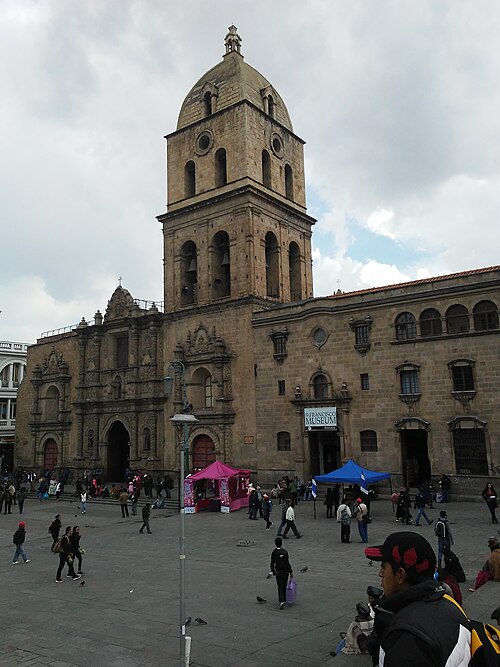
The last stop is at San Francisco Basilica, where the group meets and departs at 8:00 am.
The drive to Tiwanaku takes approximately 2 hours, so arrival is expected around 10:00 am to begin the guided tour.
2
The Tiwanaku Ceramic Museum showcases an exceptional collection of artifacts that illustrate the artistic, symbolic, and everyday life of the Tiwanaku civilization. Its exhibits include ritual pottery, ceremonial keru vessels, zoomorphic figures, urns, and decorative objects, all carefully restored and curated. The museum offers valuable insight into the cosmovision, rituals, and daily practices of this ancient culture through its shapes, colors, and symbolic designs. It is an essential stop for appreciating the craftsmanship and technical mastery of pre-Hispanic ceramic art in Tiwanaku.
3
The Kalasasaya Temple, located in the archaeological site of Tiwanaku , is one of the most important ceremonial structures of the Tiwanaku culture. It is a walled stone temple aligned with the sun to mark solstices and equinoxes, showcasing the civilization’s advanced astronomical knowledge. Inside, it holds ritual platforms, monoliths, and spaces used for religious ceremonies and solar observations.
4
The "Puerta del Sol" , located within the Kalasasaya Temple in Tiwanaku, is a monumental stone gateway carved from a single block of andesite. Its central relief depicts the Sun God or Staff Deity, surrounded by winged figures, reflecting the religious and astronomical symbolism of the Tiwanaku culture. Scholars believe it functioned as a solar calendar or a ceremonial marker connected to agricultural cycles. It is one of Tiwanaku’s most iconic masterpieces and a symbol of Andean pre-Hispanic art.
5
Puma Punku, part of the Tiwanaku archaeological complex in Bolivia, is one of the most enigmatic and technically advanced architectural sites of the pre-Hispanic world. It is renowned for its massive stone blocks, precise cuts, and perfectly fitted joints that reveal highly developed engineering skills. Its platforms, H-shaped stones, and unique construction techniques suggest that Puma Punku served as a ritual and ceremonial center, linked to the mythical origins of the Tiwanaku civilization.
6
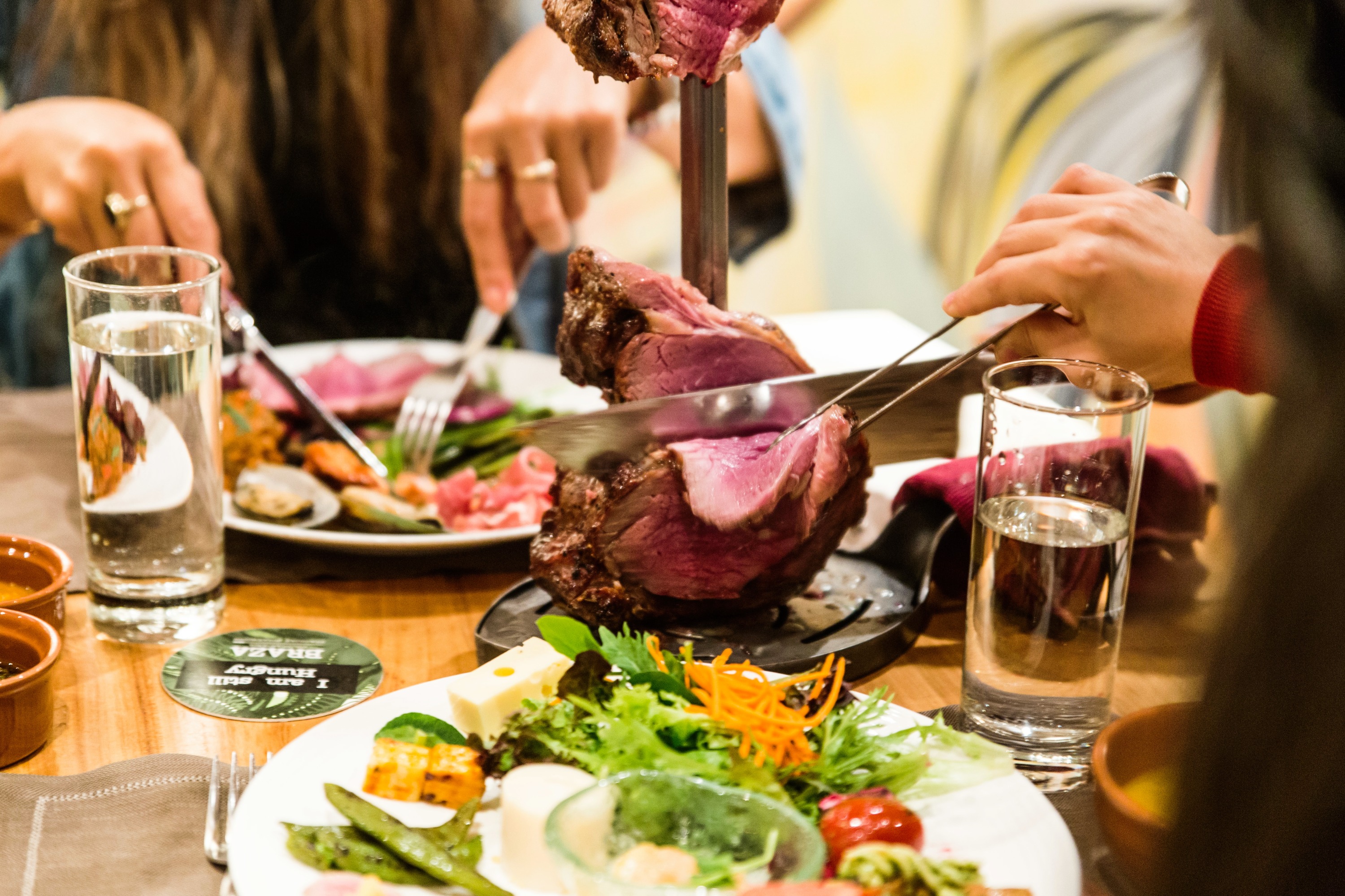
After visiting the archaeological site, we will head to a local restaurant for a 1-hour lunch break.
The buffet includes a variety of sides, and each guest may choose one type of meat: chicken, llama, or fish.
A vegetarian option is also available.
7
After lunch, we will begin the return trip to La Paz.
The drive takes approximately 2 hours, and the group is expected to arrive back in the city around 4:00 pm.
What's not included
Gratuities
Available languages
Guide guide
EN
Important information
Not recommended for travelers with spinal injuries
Not recommended for pregnant travelers
Suitable for all physical fitness levels
About La Paz
La Paz is the highest capital city in the world, offering a unique blend of indigenous and colonial culture. It's known for its dramatic Andean landscapes, vibrant markets, and rich history, making it a compelling destination for adventurous travelers.
Top Attractions
Mi Teleférico
A unique cable car system offering stunning views of the city and the surrounding mountains. It's an efficient way to get around and a major attraction in itself.
Transportation/Attraction
Varies
Budget
Plaza Murillo
The main square of La Paz, surrounded by important government buildings and historic sites. It's a central point for understanding the city's political and historical significance.
Historical
1-2 hours
Free
Witches' Market (Mercado de las Brujas)
A unique market selling traditional remedies, herbs, and other items used in local folklore and traditional medicine. It's a fascinating glimpse into the city's indigenous culture.
Cultural
1-2 hours
Free to enter, items for sale vary in price
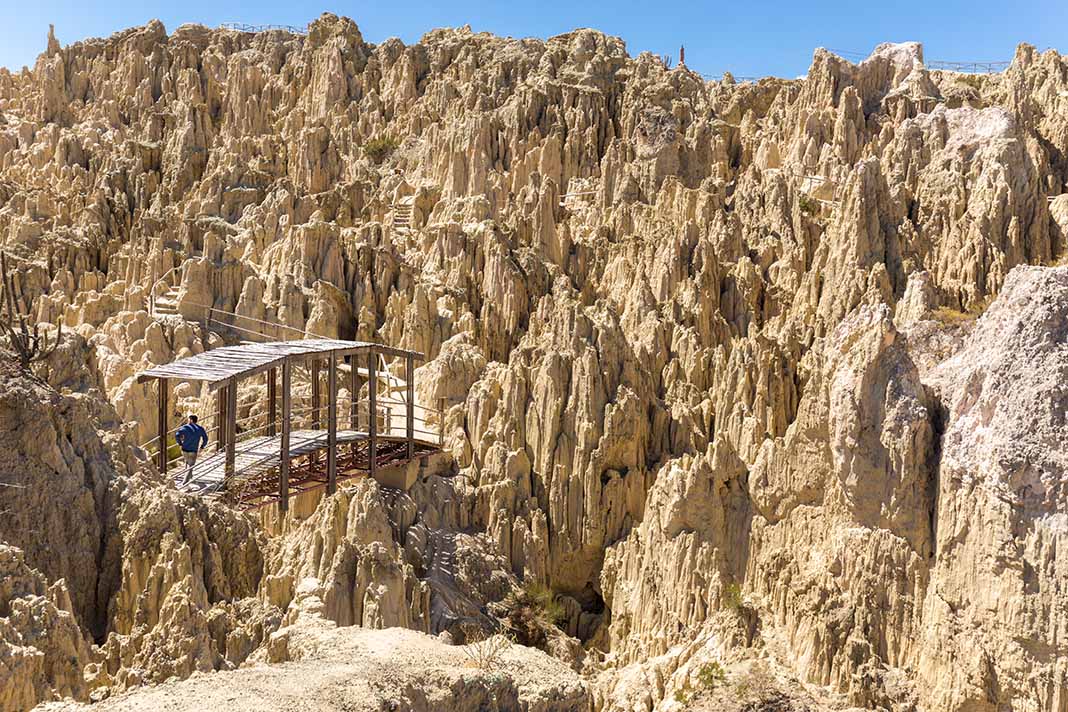
Valle de la Luna
A surreal lunar-like landscape formed by erosion, located just outside of La Paz. It's a popular spot for hiking and photography, offering a unique natural experience.
Nature
Half day
Budget
Museo Nacional de Arqueología
A comprehensive museum showcasing Bolivia's rich archaeological heritage, including pre-Columbian artifacts and exhibits on indigenous cultures.
Museum
1-2 hours
Budget
Must-Try Local Dishes
Salteñas
A type of savory empanada filled with meat, vegetables, and sometimes cheese. It's a popular street food and a must-try in La Paz.
Snack
Vegetarian options available
Pique a lo Macho
A hearty dish made with beef, fried potatoes, eggs, and a spicy sauce. It's a popular late-night snack or meal.
Main Course
Contains meat, can be made with chicken or vegetarian options
Silpancho
A dish consisting of a thin beef patty topped with rice, fried egg, and onions. It's a flavorful and filling meal.
Main Course
Contains meat, can be made with chicken or vegetarian options
Anticuchos
Grilled beef heart skewers, often served with a spicy sauce. It's a popular street food and a taste of Bolivian cuisine.
Snack
Contains meat, can be made with chicken or other meats
Popular Activities
Mountain biking on Death Road
Hiking in Valle de la Luna
Trekking to Lake Titicaca
Coffee tasting at local cafes
Strolling through Sopocachi
Visiting spas and wellness centers
Exploring the Witches' Market
Visiting museums and historic sites
Best Time to Visit
May to October (Dry season)
The dry season offers the best weather for outdoor activities and sightseeing. The skies are clear, and the temperatures are pleasant, making it ideal for exploring the city and its surroundings.
5°C to 20°C (41°F to 68°F)
41°F to 68°F
Practical Information
Language
- Official: Spanish, Aymara, Quechua
- Widely spoken: Spanish, English (in tourist areas)
- English: Moderately spoken in tourist areas, limited elsewhere
Currency
Bolivian Boliviano (BOB)
Time Zone
GMT-4
Electricity
230VV, 50HzHz
Safety Information
Overall Safety Rating: Exercise caution
La Paz is generally safe for tourists, but petty crime and scams can occur. Be cautious of your surroundings, especially in crowded areas and at night.
Important Precautions:
- • Be cautious of your belongings in crowded areas
- • Use official taxis and agree on the fare before starting your journey
- • Be wary of strangers offering help or services
Getting there
By air
- El Alto International Airport • 15 km (9 miles) from city center
By bus
Terminal de Buses La Paz
Getting around
Public transport
La Paz has a unique cable car system that connects different parts of the city. It's efficient and offers stunning views.
Taxis
Available • Apps: InDriver, Taxis La Paz
Rentals
Car, Bike, Scooter
Neighborhoods
Sopocachi
San Pedro
Zona Sur
Day trips
Tiwanaku
72 km (45 miles) • Full day
An ancient archaeological site dating back to the Tiwanaku culture, offering a glimpse into Bolivia's rich pre-Columbian history.
Lake Titicaca
140 km (87 miles) • Full day or overnight
The world's highest navigable lake, offering stunning landscapes and cultural experiences with the local indigenous communities.
Death Road (North Yungas Road)
75 km (47 miles) • Full day
A thrilling mountain biking experience on one of the world's most dangerous roads, offering stunning views and an adrenaline rush.
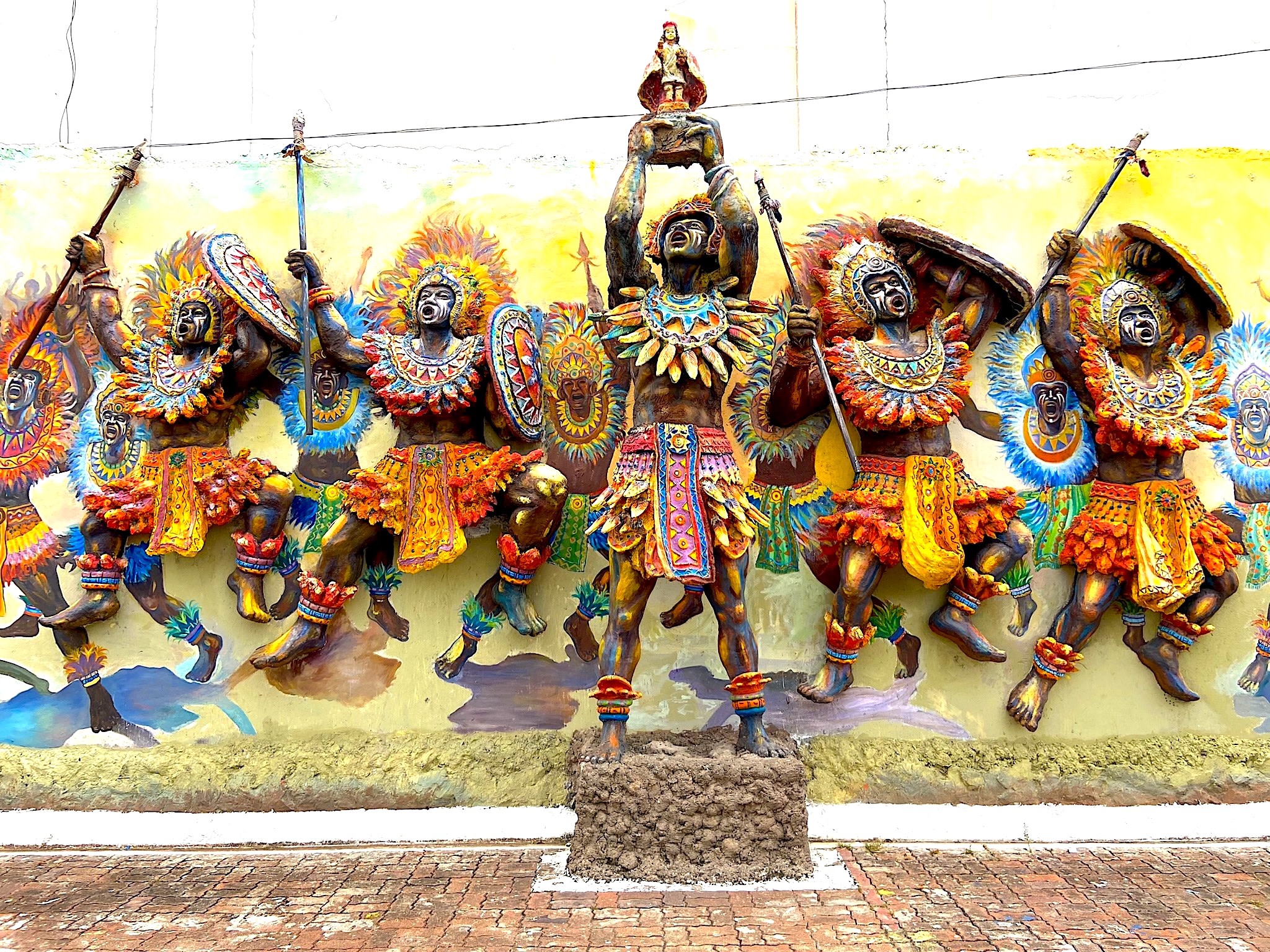
Festivals
Alasitas Fair • January 24
Gran Poder • May or June (varies)
Carnaval de Oruro • February or March (varies)
Pro tips
- Acclimate to the altitude before engaging in strenuous activities
- Use the Mi Teleférico cable car system for efficient and scenic transportation
- Try local street food for an authentic culinary experience
- Learn a few basic Spanish phrases to enhance your interactions with locals
- Visit the Witches' Market for a unique cultural experience and to purchase traditional remedies
Get Price
per person
Price varies by option
Secure booking
Free cancellation available
Instant confirmation