Communist Warsaw: private tour by retro minibus with hotel pickup
Active
3h
For a full refund, cancel at least 24 hours before the scheduled departure time.
Instant confirmation
Mobile or paper ticket accepted
About this experience
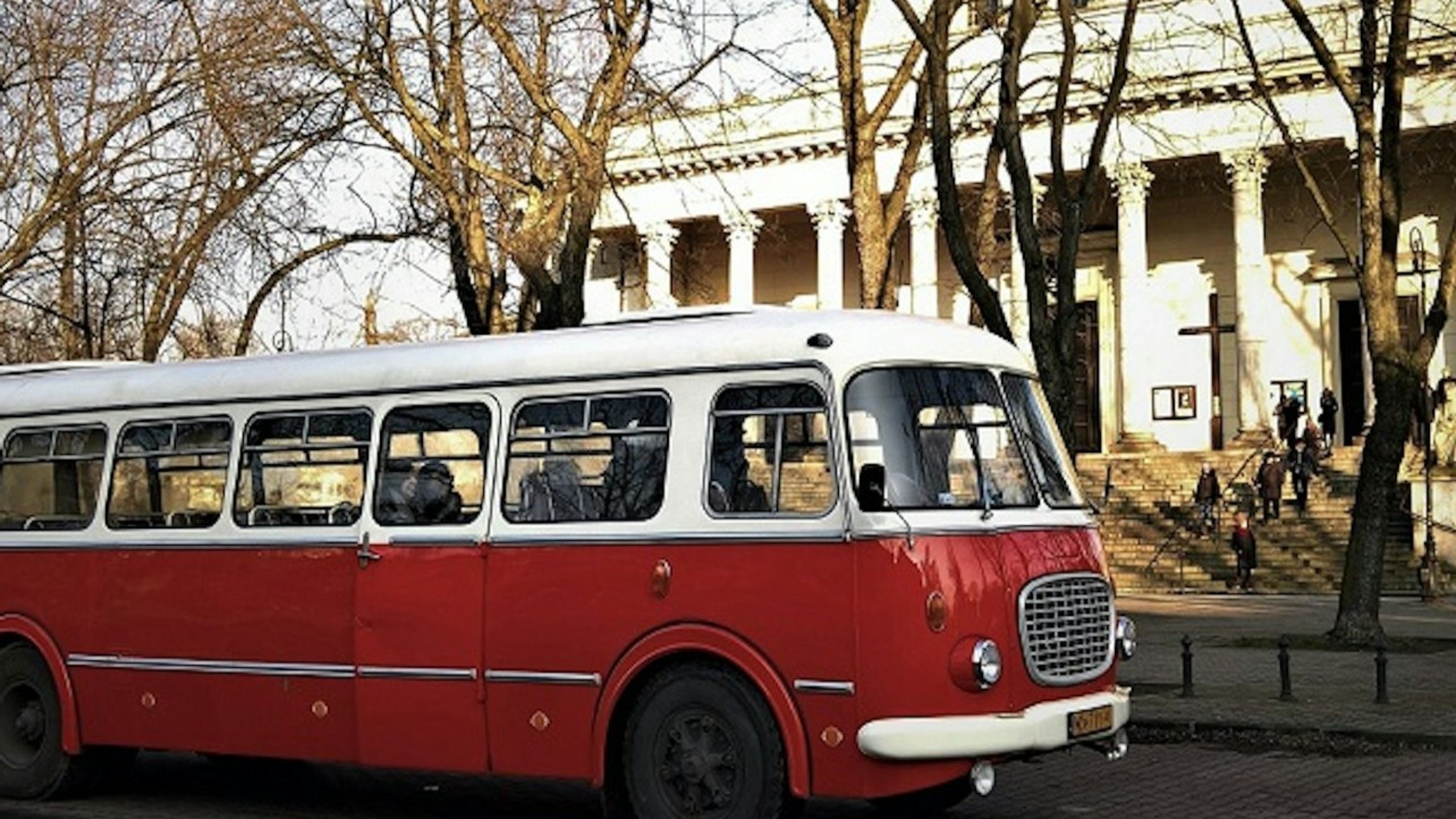
This private tour offers an in-depth look at Warsaw during the communist era, combining historical context with authentic locations and personal stories. Your guide picks you up at your hotel and welcomes you aboard a classic Żuk minibus—an iconic vehicle produced in communist Poland that adds atmosphere and authenticity to the experience.
Each stop explores a different chapter of Warsaw’s socialist past, from the aftermath of World War II and the reconstruction of a destroyed capital to the realities of the 1960s and 1970s. Learn how ideology shaped architecture, urban planning, and everyday life in a centrally planned economy.
The story concludes with the political breakthrough of 1989 and Poland’s first free elections, marking the end of communist rule. Along the way, see key landmarks such as the Palace of Culture and Science, Constitution Square, and the former Communist Party headquarters, all closely tied to Poland’s Cold War history.
Available options
3 hours private tour
Language: English<br/>Pickup included
What's included
Hotel pickup and drop-off
Proffesional English speaking local guide
Transport by retro communist minibus
All Fees and Taxes
Detailed itinerary
1
Stop 1
The tour begins at the Palace of Culture and Science, Warsaw’s most recognizable—and controversial—communist landmark. Built between 1952 and 1955 as a “gift” from the Soviet Union, the building still dominates the city skyline and continues to provoke mixed emotions among locals.
We do not visit the XXXth floor terrace on the tour.
2
Stop 2
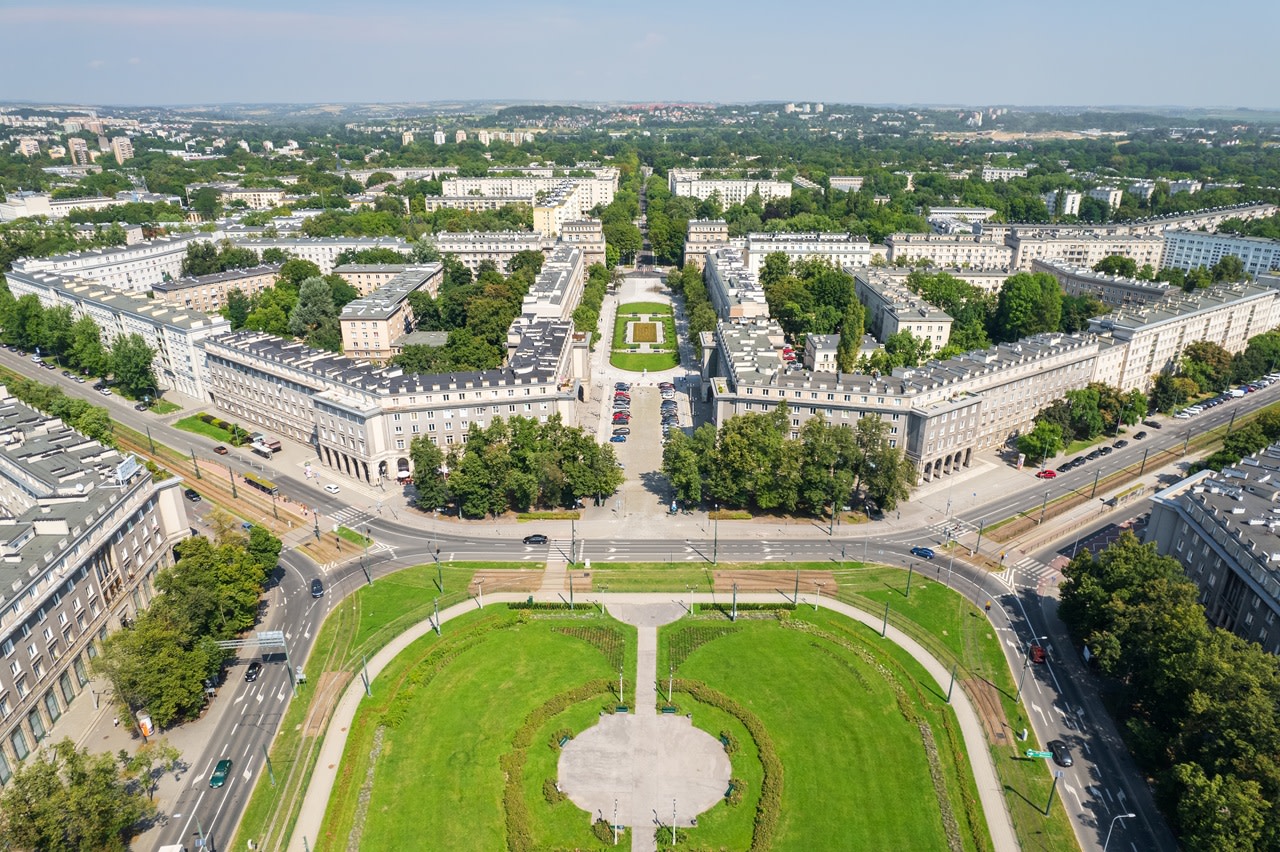
Before World War II, Warsaw was a capitalist European city filled with dense tenement housing. After 1945, communist authorities and modernist architects saw reconstruction as a chance to redesign society. One result was Muranów, a green residential district built in the late 1940s on wartime ruins as an attempt to create a model socialist neighborhood.
3
Stop 3
Pass by
Another major postwar achievement was the reconstruction of the Old Town, beneath which a key traffic route was built with assistance from Soviet engineers involved in the Moscow metro. You’ll pass through this area on the way to Praga.
4
Stop 4
The Praga district offers a glimpse into the darker realities of communist Warsaw. Largely neglected by state investment, it became a center of informal and illegal activity. Behind its courtyards, residents exchanged foreign currency, traded Western music, and searched for goods unavailable elsewhere—turning decline into survival.
5
Stop 5
The tour ends in Warsaw’s government district, where prewar modernist architecture meets monumental socialist realism. Ironically, the leader of communist Poland reportedly refused to move into the new party headquarters, claiming it looked more like a capitalist bank than the office of a workers’ party.
What's not included
Tip or gratuity
Available languages
Guide guide
EN
Reviews breakdown
Viator
5.0
1 reviews
5★
1
4★
0
3★
0
2★
0
1★
0
Tripadvisor
5.0
21 reviews
5★
21
4★
0
3★
0
2★
0
1★
0
Important information
Public transportation options are available nearby
Suitable for all physical fitness levels
This tour can be booked instantly online for adults and children over 150 cm (4 ft 9 in). If you wish to book the tour for a child under 150 cm, please contact the tour operator in advance to check the availability of seat boosters, which are mandatory under Polish law.
Each minibus accommodates up to 8 passengers, and a fleet of 5 minibuses is available.
The vehicles are used primarily for transfers between locations, with walking segments at each stop. Please wear comfortable clothing and suitable footwear.
Please note that classic vintage minibuses are not equipped with air conditioning, and some do not have seat belts (which is permitted for historic vehicles). All vehicles are equipped with heating for the winter season.
About Warsaw
Warsaw, the capital of Poland, is a city of resilience and vibrant culture. Known for its complete reconstruction after WWII, it offers a mix of modern architecture and historic sites, making it a unique destination rich in history and contemporary energy.
Top Attractions
Old Town (Stare Miasto)
The Old Town is a UNESCO World Heritage site, showcasing the city's rich history and stunning architecture. It was meticulously rebuilt after WWII, earning Warsaw the nickname 'The Phoenix City'.
Historical/Architecture
2-3 hours
Free to explore, Royal Castle entry fee: 30 PLN
Warsaw Uprising Museum (Muzeum Powstania Warszawskiego)
This museum commemorates the 1944 Warsaw Uprising and provides a powerful insight into the city's resilience and history during WWII. The exhibits are interactive and emotionally impactful.
Historical/Museum
2-3 hours
25 PLN
Łazienki Park (Park Łazienkowski)
This vast park is a green oasis in the heart of the city, featuring beautiful gardens, palaces, and ponds. It's perfect for a relaxing stroll or a picnic.
Nature/Historical
2-3 hours
Free, Palace entry fee: 20 PLN
Warsaw Zoo (Ogrod Zoologiczny w Warszawie)
One of the largest zoos in Poland, Warsaw Zoo is home to a wide variety of animals and is known for its conservation efforts. It's a great place for families and animal lovers.
Nature/Entertainment
2-3 hours
30 PLN
Palace of Culture and Science (Pałac Kultury i Nauki)
This iconic Stalinist skyscraper is a symbol of Warsaw and offers panoramic views of the city from its observation deck. It's a must-visit for its historical significance and stunning vistas.
Architecture/Historical
1-2 hours
25 PLN
Must-Try Local Dishes
Pierogi
Dumplings filled with various ingredients such as meat, cheese, potatoes, or fruits. They are a staple of Polish cuisine and come in both savory and sweet varieties.
Dinner
Vegetarian options available, can be made vegan or gluten-free upon request.
Żurek
A sour rye soup often made with sausage, potatoes, and hard-boiled eggs. It's traditionally served in a bread bowl.
Lunch/Dinner
Contains meat, can be made vegetarian with substitutions.
Bigos
A hearty hunter's stew made with sauerkraut, fresh cabbage, various meats, and mushrooms. It's often considered Poland's national dish.
Dinner
Contains meat, can be made vegetarian with substitutions.
Pączki
Deep-fried doughnuts filled with jam, custard, or other sweet fillings. They are a popular treat, especially during Fat Thursday (Tłusty Czwartek).
Dessert
Vegetarian, can be made vegan or gluten-free.
Popular Activities
Biking in Łazienki Park
Kayaking on the Vistula River
Picnicking in Łazienki Park
Visiting a traditional Polish spa
Attending a classical music concert at the National Philharmonic
Exploring the Warsaw Uprising Museum
Boating on the ponds in Łazienki Park
Ice skating at the Winter Stadium
Best Time to Visit
June to August
Summer is the peak tourist season with warm weather and numerous outdoor events. It's ideal for exploring the city's parks and outdoor attractions.
15°C to 25°C
59°F to 77°F
Practical Information
Language
- Official: Polish
- Widely spoken: English, German, Russian
- English: Moderately spoken, especially among younger people and in tourist areas
Currency
Polish Złoty (PLN)
Time Zone
GMT+2 (Central European Time, CET)
Electricity
230VV, 50HzHz
Safety Information
Overall Safety Rating: Generally safe, with some areas requiring caution
Warsaw is generally a safe city for travelers, with low violent crime rates. However, petty crime, such as pickpocketing and bag snatching, can occur in tourist areas and on public transportation. Exercise caution and be aware of your surroundings, especially in crowded places and at night.
Important Precautions:
- • Keep valuables secure and out of sight, especially in crowded areas
- • Use licensed taxis or ride-sharing services to avoid scams
- • Be cautious of strangers approaching you with petitions or surveys
Getting there
By air
- Warsaw Chopin Airport • 10 km from city center
By train
Warsaw Central Station, Warsaw Wschodnia Station
By bus
Warsaw Zachodnia Bus Station, Warsaw Wschodnia Bus Station
Getting around
Public transport
The metro system is efficient, clean, and easy to navigate. It's a great way to get around quickly.
Taxis
Available • Apps: Uber, Bolt
Rentals
Car, Bike, Scooter
Neighborhoods
Old Town (Stare Miasto)
Praga
Wola
Śródmieście
Day trips
Łowicz
50 km from Warsaw • Half day to full day
A charming town known for its traditional Polish architecture, horse-drawn carriages, and the famous 'Łowiczki' horse shows. It offers a glimpse into Poland's rural past.
Modlin Fortress
40 km from Warsaw • Half day
A historic 19th-century fortress located on the Narew River, offering a fascinating insight into Poland's military history. The fortress is partially in ruins but is open for exploration and guided tours.
Nieporęt
30 km from Warsaw • Half day
A small town with a rich history, known for its beautiful palace and park complex. The palace is a great example of neoclassical architecture and offers a glimpse into the lives of Polish nobility.
Festivals
Warsaw Autumn Festival • September
Warsaw Film Festival • October
Christmas Markets • December
Pro tips
- Visit the Warsaw Uprising Museum for a powerful and emotional insight into the city's history during WWII
- Explore the vibrant and artsy Praga district for a glimpse into Warsaw's creative scene and local culture
- Take a guided tour of the Warsaw sewer system for a unique and fascinating perspective on the city's history
- Try traditional Polish dishes, such as pierogi, żurek, and bigos, at local restaurants or street food vendors
- Attend a classical music concert at the National Philharmonic or Teatr Wielki for a world-class cultural experience
Get Price
per person
Price varies by option
Secure booking
Free cancellation available
Instant confirmation