More than a tour of Bars: A Cultural Experience in Salvador
Active
3h
For a full refund, cancel at least 24 hours before the scheduled departure time.
Instant confirmation
Mobile or paper ticket accepted
About this experience
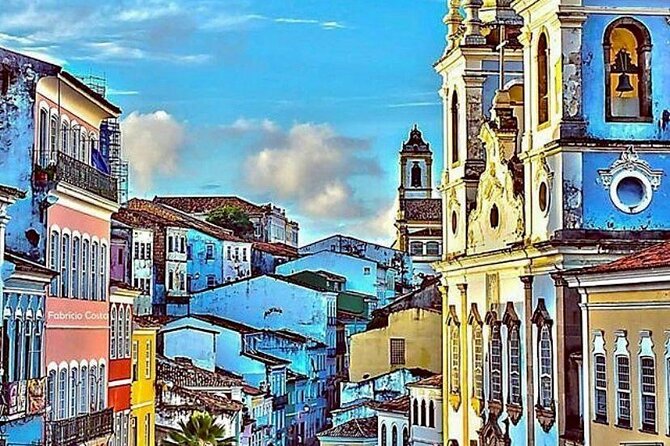
Discover Santo Antonio Beyond the Carmo in a vibrant, engaging and sensory way. This night tour, led by a local Guide, combines history, culture, authentic bars and Brazilian folk music in one of Salvador’s most charming, creative and lively neighborhoods.
During the tour, the Guide leads the experience with stories, curiosities and interactive moments that promote connection, both between participants and with the Bavarian culture.
The sensory journey goes beyond the flavors and also involves the body : the rhythm of the samba, the balance of the forró and the music echoing through the streets invite naturally to dance.
Each stop is thought of as a meeting point where music and conversation create a light, welcoming and memorable atmosphere.
More than a bar tour, this is a complete cultural experience, ideal for those who want to go beyond superficial tourism and understand Salvador in an authentic, human and sensitive way. A night of exchange, learning and lasting memories.
Available options
More than a tour of Bars: A Cultural Experience in Salvador
What's included
Entrance fee
Detailed itinerary
1
️ Zanzibar
First African restaurant in Brazil, founded by Dona Cira. A space of ancestry, memory and cultural resistance, where the tour begins with meaning and awareness.
️ Santo Antonio Beyond Carmo / Carmo Street
Walk through stone streets and colonial mansions, with music, art and local life pulsating. A vibrant neighborhood deeply linked to African-Baiian culture.
Patuá Pub
Author drinks that translate the Baiyan essence, where spirituality, Orixás, Bonfim and everyday things blend naturally.
Capricorn of the Witch
Popular and spontaneous spot, with local fruits, mild climate and, often, forró taking the street and inviting everyone to get in the pace.
House of Horror
Immersion in samba as an expression of Brazilian history, body and identity, in a vibrant and full of energy space.
Patuá Bar
Closure in a multicultural environment that is also art gallery, perfect for dancing, celebrating and integrating the evening experience.
What's not included
Alcoholic Beverages
Available languages
Guide guide
PT
EN
Important information
Public transportation options are available nearby
Specialized infant seats are available
Suitable for all physical fitness levels
Meeting point
Zanzibar:
First African food restaurant in Brazil, founded by Dona Cira, reference of the Black Movement. A space of ancestry, memory and cultural resistance.
About Salvador da Bahia
Salvador da Bahia, often simply called Salvador, is a vibrant coastal city in northeastern Brazil. Known for its rich Afro-Brazilian culture, colonial architecture, and lively Carnival celebrations, Salvador is a city that captivates visitors with its unique blend of history, music, and natural beauty. The historic Pelourinho district, a UNESCO World Heritage site, offers a glimpse into the city's colonial past, while the lively neighborhoods of Barra and Rio Vermelho provide a taste of its modern, cultural vibrancy.
Top Attractions
Pelourinho
The historic heart of Salvador, Pelourinho is a UNESCO World Heritage site known for its colonial architecture, cobblestone streets, and vibrant culture. It's home to numerous churches, museums, and art galleries, as well as lively bars and restaurants.
Historical
Half day to full day
Free to enter the area, individual attractions may have fees
Elevador Lacerda
This iconic Art Deco elevator connects the upper and lower parts of Salvador, offering stunning views of the city and the bay. It's a symbol of Salvador and a must-visit attraction.
Architecture
15-30 minutes
Free to ride
Farol da Barra
This historic lighthouse is one of the oldest in Brazil and offers stunning views of the Atlantic Ocean. The surrounding park is a great place to relax and enjoy the ocean breeze.
Historical
1-2 hours
Free
Mercado Modelo
This large market is a great place to shop for souvenirs, crafts, and local products. It's located in the historic center and is easily accessible from the Lacerda Elevator.
Shopping
1-2 hours
Free to enter, prices vary
Praia do Farol da Barra
This beautiful beach is located near the Farol da Barra lighthouse and offers a great place to relax and enjoy the ocean. It's one of the most popular beaches in Salvador and is known for its clear waters and golden sand.
Beach
Half day to full day
Free
Pelourinho Square
This iconic square is the heart of the Pelourinho district and is surrounded by beautiful colonial buildings, churches, and museums. It's a great place to soak up the history and culture of Salvador.
Historical
1-2 hours
Free
Must-Try Local Dishes
Moqueca
A traditional Bahian seafood stew made with fish, shrimp, and spices, cooked in coconut milk and palm oil. It's typically served with rice, farofa (toasted cassava flour), and pirão (a thick sauce made from cassava flour and broth).
Dinner
Contains seafood and dairy (coconut milk).
Acarajé
Deep-fried black-eyed pea fritters stuffed with spicy shrimp paste, vatapá (a creamy paste made from bread, shrimp, and spices), and sometimes other fillings like heart of palm or caruru (a leafy green vegetable).
Snack
Vegetarian if ordered without the shrimp paste filling.
Bobó de Camarão
A creamy coconut sauce made with shrimp, cassava flour, and spices. It's typically served with rice and farofa.
Dinner
Contains seafood and dairy (coconut milk).
Coxinha
A popular Brazilian snack made from shredded chicken, cream cheese, and spices, rolled in dough and deep-fried. It's typically served with a side of tomato sauce.
Snack
Contains chicken and dairy (cream cheese).
Popular Activities
Hiking
Snorkeling
Surfing
Kayaking
Zip-lining
Beach lounging
Sunbathing
Spa treatments
Best Time to Visit
December to March
This is the peak tourist season in Salvador, with warm temperatures and high humidity. It's the best time to experience the city's famous Carnival and enjoy the beaches. However, it's also the most crowded and expensive time to visit.
28°C to 32°C
82°F to 90°F
Practical Information
Language
- Official: Portuguese
- Widely spoken: English, Spanish
- English: Moderately spoken in tourist areas, limited elsewhere
Currency
Brazilian Real (BRL)
Time Zone
UTC-3 (Brasília Time, BRT)
Electricity
127VV, 60HzHz
Safety Information
Overall Safety Rating: Exercise caution
Salvador is a vibrant and exciting city, but it's important to be aware of your surroundings and take precautions to ensure your safety. Petty crime, such as pickpocketing and theft, is common in crowded areas and on public transportation. Violent crime, such as armed robbery and assault, can also occur, especially at night and in isolated areas. It's important to be cautious and take steps to protect yourself and your belongings.
Important Precautions:
- • Be aware of your surroundings and avoid walking alone at night.
- • Keep your belongings secure and out of sight.
- • Use licensed taxis or ride-sharing services like Uber or Cabify.
Getting there
By air
- Deputado Luís Eduardo Magalhães International Airport • 25 km (15.5 miles) from city center
By bus
Terminal Rodoviário de Salvador
Getting around
Public transport
The bus system in Salvador is the primary mode of public transportation. It's affordable and covers most of the city, including the historic center and beach areas. However, buses can be crowded and may not be the most comfortable option for tourists.
Taxis
Available • Apps: 99 Taxis, Uber
Rentals
Car, Bike, Scooter
Neighborhoods
Pelourinho
Barra
Rio Vermelho
Comércio
Itaigara
Day trips
Praia do Forte
85 km (53 miles) from Salvador • Full day
This beautiful beach is located about an hour's drive from Salvador and is known for its clear waters, golden sand, and stunning coastline. It's a great place to relax and enjoy the ocean, as well as explore the nearby TAMAR Project, which is dedicated to the conservation of sea turtles.
Morro de São Paulo
150 km (93 miles) from Salvador • Overnight
This beautiful island is located about 3 hours from Salvador and is known for its stunning beaches, clear waters, and laid-back vibe. It's a great place to relax and enjoy the ocean, as well as explore the island's historic sites and natural beauty.
Cachoeira
120 km (75 miles) from Salvador • Full day
This historic town is located about 2 hours from Salvador and is known for its beautiful colonial architecture, rich history, and stunning natural beauty. It's a great place to explore the region's history and culture, as well as enjoy the town's laid-back vibe and delicious local cuisine.
Festivals
Carnival • February or March (depending on the date of Easter)
Lavagem do Bonfim • January
Yemanjá Festival • February 2nd
Pro tips
- Visit the historic Pelourinho district in the early morning or late afternoon to avoid the heat and crowds.
- Try some local street food, such as acarajé and coxinha, for a taste of Bahian cuisine.
- Take a guided tour of the city to learn about its history and culture from a local expert.
- Explore the city's many beaches, such as Praia do Farol da Barra and Praia do Forte, for a relaxing and enjoyable experience.
- Attend a traditional Capoeira performance or candomblé ceremony to experience the city's rich Afro-Brazilian heritage.
Get Price
per person
Price varies by option
Secure booking
Free cancellation available
Instant confirmation