Abuja Cultural And Historical Tour
Active
6h
All sales are final. No refund is available for cancellations.
Instant confirmation
Mobile or paper ticket accepted
About this experience
Your day will begin at a lively market. The red brick walls and thatch roofs will make you feel you’re in an African village. Here you'll find leather works, bronze carvings, locally made fabrics, and an array of fashion beads, bangles, necklaces, and bracelets. This is a good place to buy souvenirs and gifts.
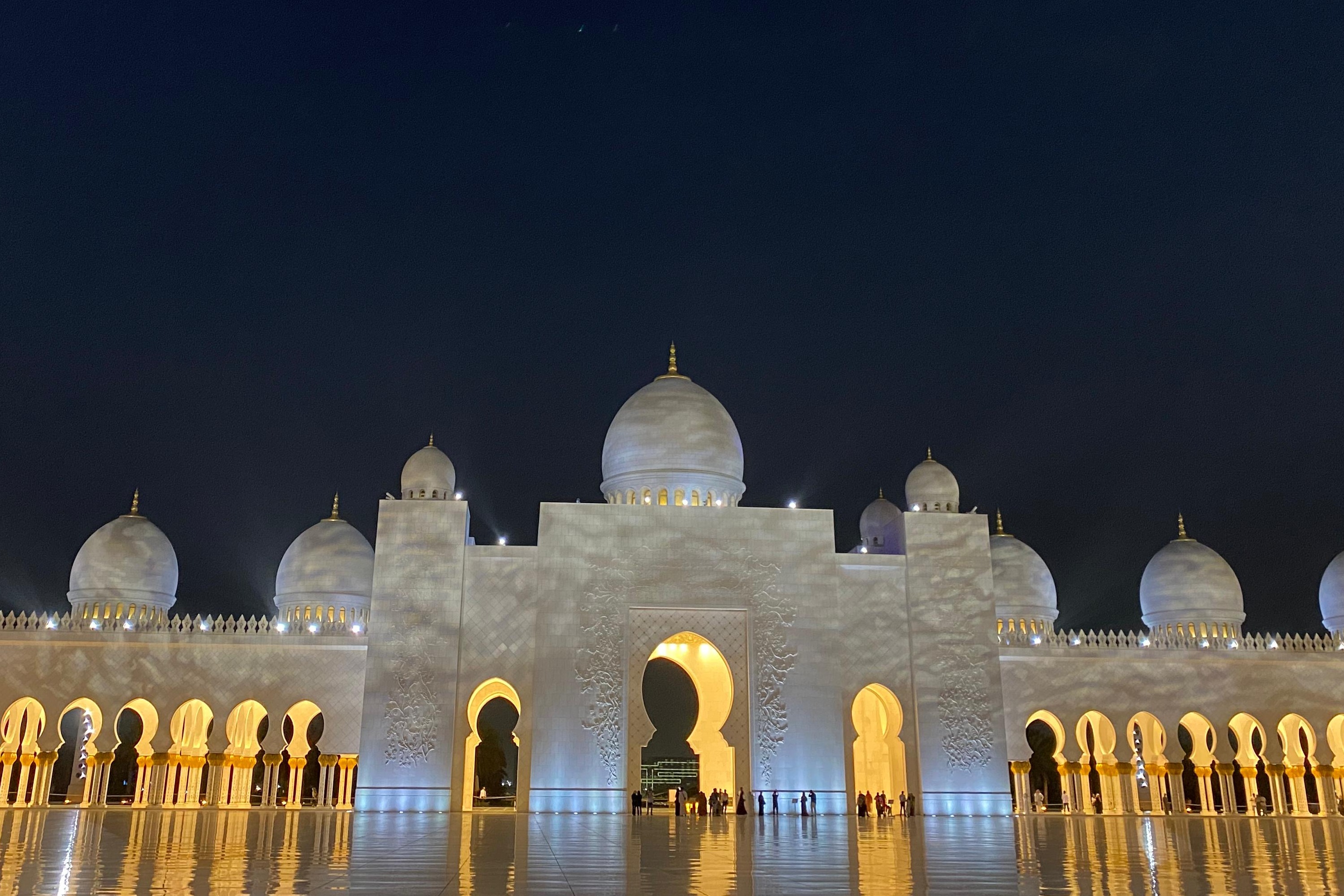
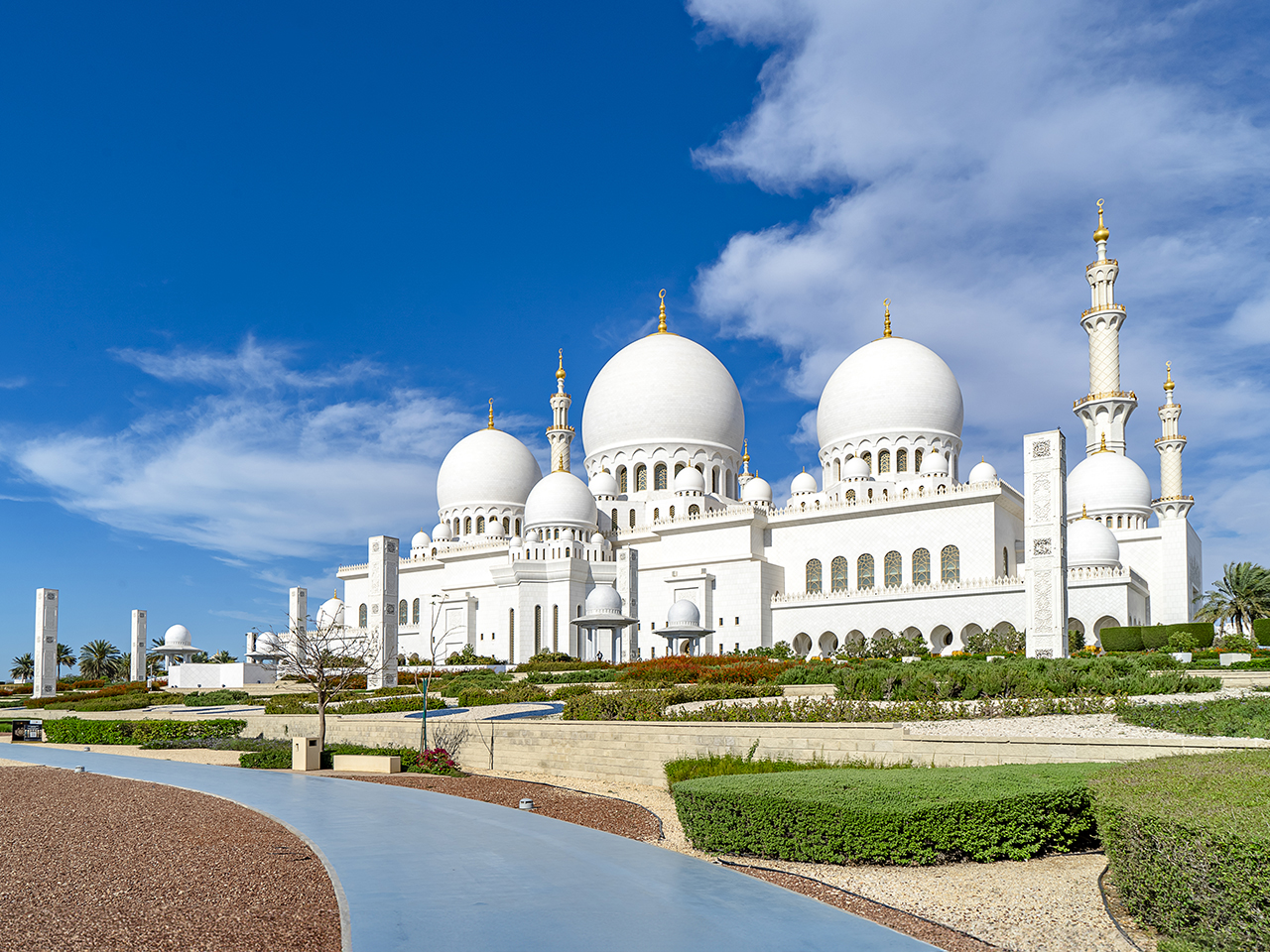
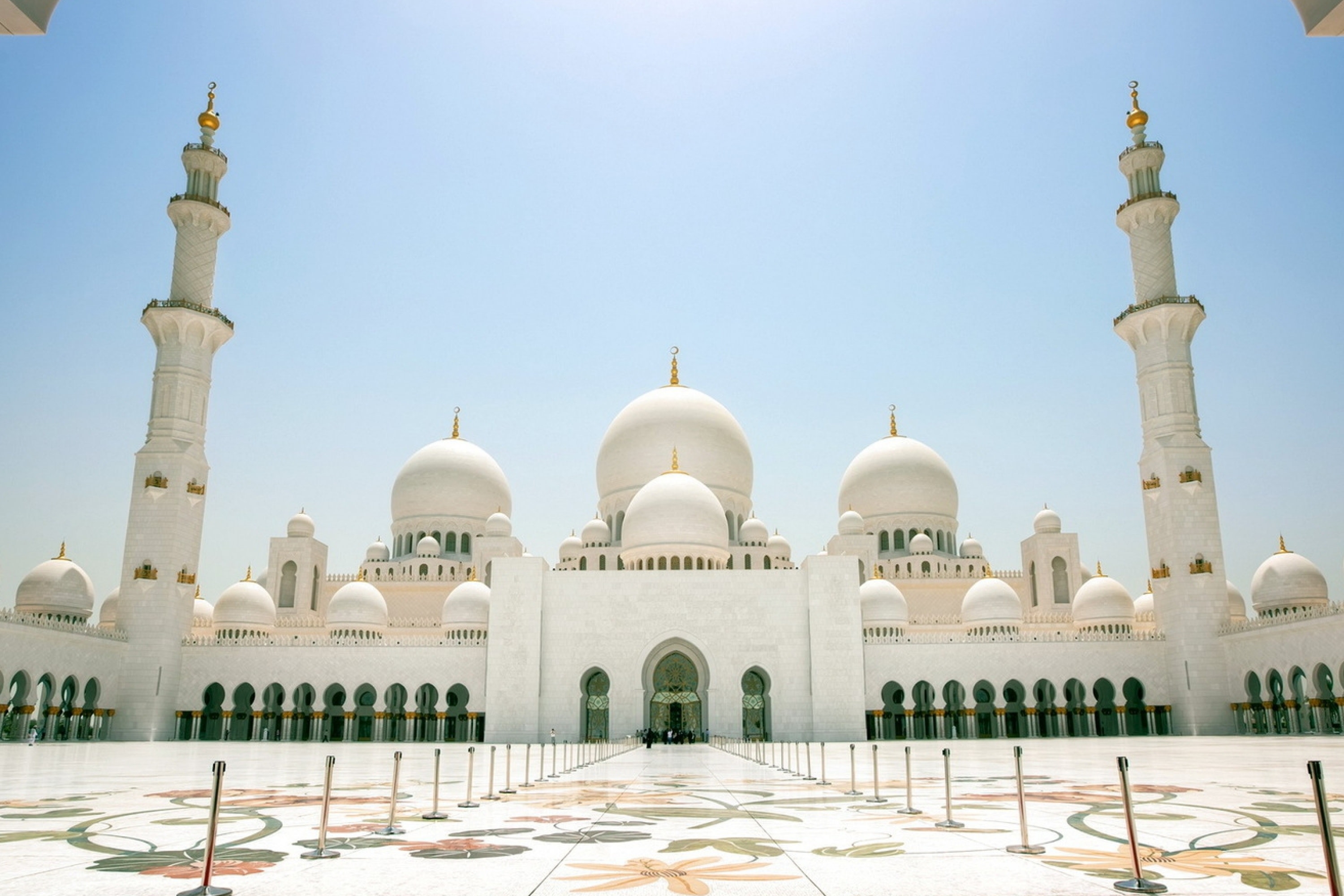
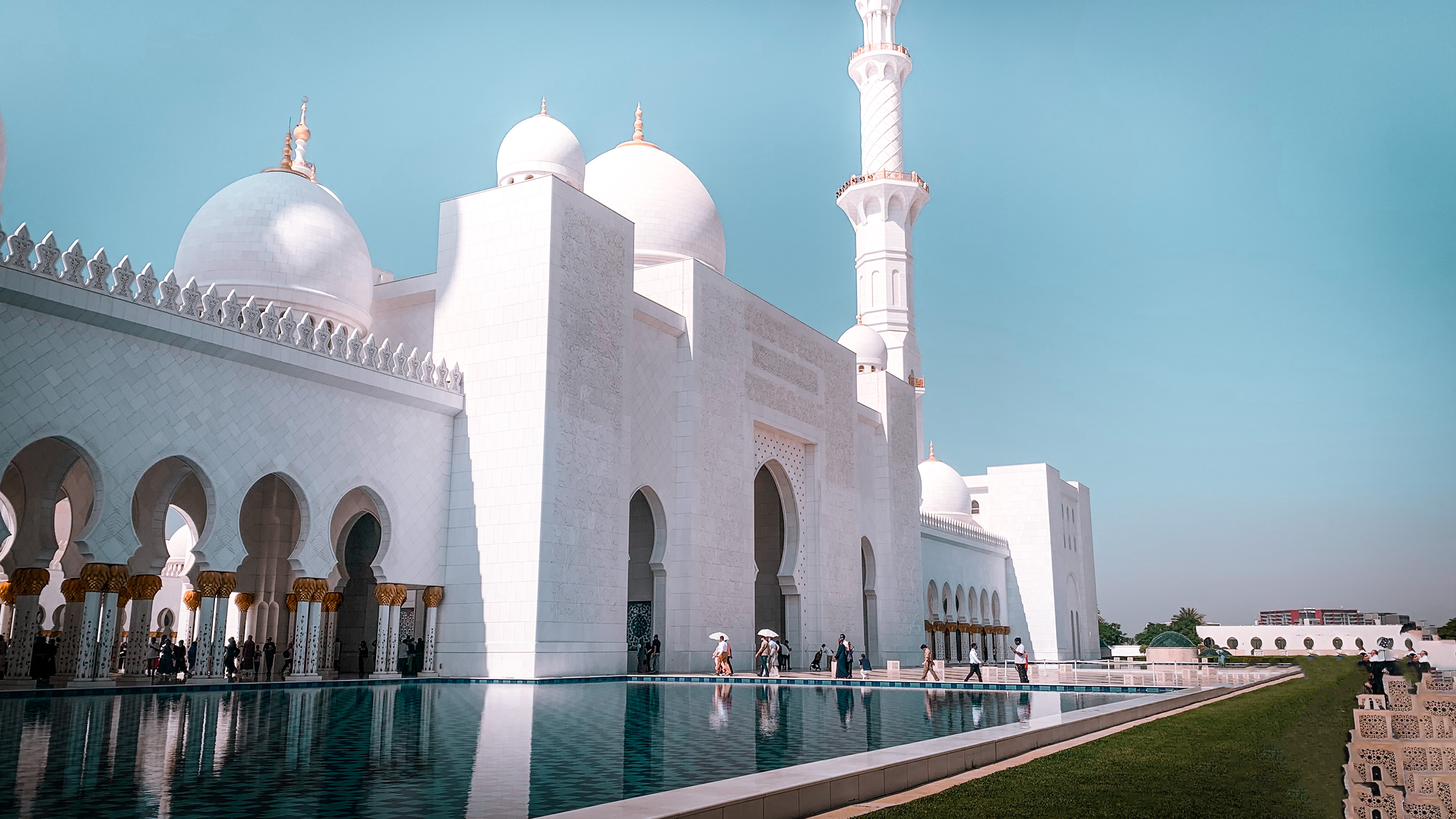
The National Mosque, Abuja, is a sight to behold. Regarded by tourists as one of the most beautiful buildings in the city, this massive structure is one of the biggest mosques in Africa.
The National Christian Center, not far from the Mosque, serves as a place of worship for all Christian denominations. The building is amazing, and the central dais rotates in different directions, allowing everyone to see the clergy.
Next will be a stopover at the Nike Art Gallery. Other than the artworks, you’ll see artists and craftsmen at work.
You’ll end your day at The Thought Pyramid Art Center. It boasts of modern and contemporary artworks from different parts of Africa.
Available options
Abuja Cultural And Historical Tour
What's included
Bottled water
Air-conditioned vehicle
Detailed itinerary
1
The National Mosque, Abuja, is a sight to behold. Regarded by tourists as one of the most beautiful buildings in the city, this massive structure is one of the biggest mosques in Africa.
2
The red brick walls and thatch roofs will make you feel you’re in an African village. Here you'll find leather works, bronze carvings, locally made fabrics, and an array of fashion beads, bangles, necklaces, and bracelets. This is a good place to buy souvenirs and gifts.
3
Other than the artworks on display, you’ll see artists and craftsmen at work.
What's not included
Breakfast
Lunch
Dinner
Available languages
Guide guide
EN
Important information
Public transportation options are available nearby
Suitable for all physical fitness levels
Meeting point
The popular Arts and Crafts Market is located near Jabi Lake, Jabi, Abuja.
About Abuja
Abuja, the capital city of Nigeria, is a planned city known for its modern infrastructure, green spaces, and political significance. It offers a blend of contemporary urban living and cultural experiences, making it a unique destination in West Africa.
Top Attractions
Aso Rock
Aso Rock is a large outcrop of granite that dominates the skyline of Abuja. It is a popular spot for hiking and offers panoramic views of the city.
Natural
2-3 hours
Free
National Mosque
The National Mosque of Nigeria is a prominent Islamic landmark in Abuja, known for its striking architecture and serene atmosphere.
Religious
1-2 hours
Free
National Assembly Complex
The National Assembly Complex is the seat of Nigeria's bicameral legislature. It is an important political landmark and a symbol of Nigeria's democracy.
Historical
1-2 hours
Free
Millennium Park
Millennium Park is a beautiful green space in the heart of Abuja, featuring landscaped gardens, walking paths, and a lake.
Nature
1-2 hours
Free
Abuja National Stadium
The Abuja National Stadium is a multi-purpose stadium that hosts major sporting events, concerts, and cultural festivals.
Entertainment
2-4 hours
Varies by event
Must-Try Local Dishes
Jollof Rice
A flavorful one-pot rice dish cooked with tomatoes, peppers, and spices, often served with chicken, beef, or fish.
Main Course
Can be vegetarian if made without meat.
Suya
Grilled spicy meat skewers, typically made with beef, chicken, or ram, seasoned with a spice mixture called yajin suya.
Snack
Contains peanuts and chili spices.
Pounded Yam with Egusi Soup
A traditional Nigerian dish consisting of pounded yam served with a rich, flavorful soup made from ground melon seeds, leafy vegetables, and meat or fish.
Main Course
Vegetarian options available without meat.
Popular Activities
Hiking at Aso Rock
Exploring Zuma Rock
Water sports at Jabi Lake
Picnicking at Millennium Park
Shopping at Jabi Lake Mall
Dining at The Fyreside Inn
Visiting the National Mosque
Exploring the National Assembly Complex
Best Time to Visit
November to February
This is the dry season with pleasant weather, making it ideal for outdoor activities and sightseeing. The city is less crowded compared to other Nigerian cities.
20°C to 35°C
68°F to 95°F
Practical Information
Language
- Official: English
- Widely spoken: Hausa, Yoruba, Igbo
- English: Widely spoken
Currency
Nigerian Naira (NGN)
Time Zone
GMT+1
Electricity
240VV, 50HzHz
Safety Information
Overall Safety Rating: Exercise caution
Abuja is generally safe for travelers, but caution is advised due to petty crime and occasional security incidents. Stay aware of your surroundings and take necessary precautions.
Important Precautions:
- • Avoid displaying valuables
- • Use reputable transport services
- • Be cautious of strangers offering unsolicited help
Getting there
By air
- Nnamdi Azikiwe International Airport • 35 km from city center
By train
Abuja Metro Station
By bus
Abuja Metro Station, Jabi Motor Park
Getting around
Public transport
The AUMT bus system is the primary mode of public transport in Abuja. Buses are air-conditioned and run on fixed routes.
Taxis
Available • Apps: Bolt, Uber
Rentals
Car, Bike, Scooter
Neighborhoods
Maitama
Wuse
Garki
Asokoro
Day trips
Zuma Rock
40 km from Abuja • Half day to full day
Zuma Rock is a large monolith located near Abuja, known for its distinctive shape and cultural significance. It is a popular spot for hiking and photography.
Kwara State
300 km from Abuja • Full day to overnight
Kwara State offers a rich cultural and historical experience, with attractions like the ancient city of Ilorin and the natural beauty of the Omu Reservoir.
Festivals
Abuja Carnival • November
Pro tips
- Visit Aso Rock early in the morning for the best views and to avoid the heat
- Explore the Diplomatic Enclave for a unique cultural experience
- Try local street food like Suya and Puff Puff for an authentic taste of Nigeria
- Use ride-hailing apps like Bolt or Uber for convenient and safe transport
- Carry small denominations for street vendors and markets
Get Price
per person
Price varies by option
Secure booking
Free cancellation available
Instant confirmation