Guided Tour to the Sete Cidades Volcano in São Miguel Azores
Active
4h
For a full refund, cancel at least 24 hours before the scheduled departure time.
Manual confirmation
Mobile or paper ticket accepted
About this experience
This tour is unique because we will visit an iconic place in the Azores, São Miguel island
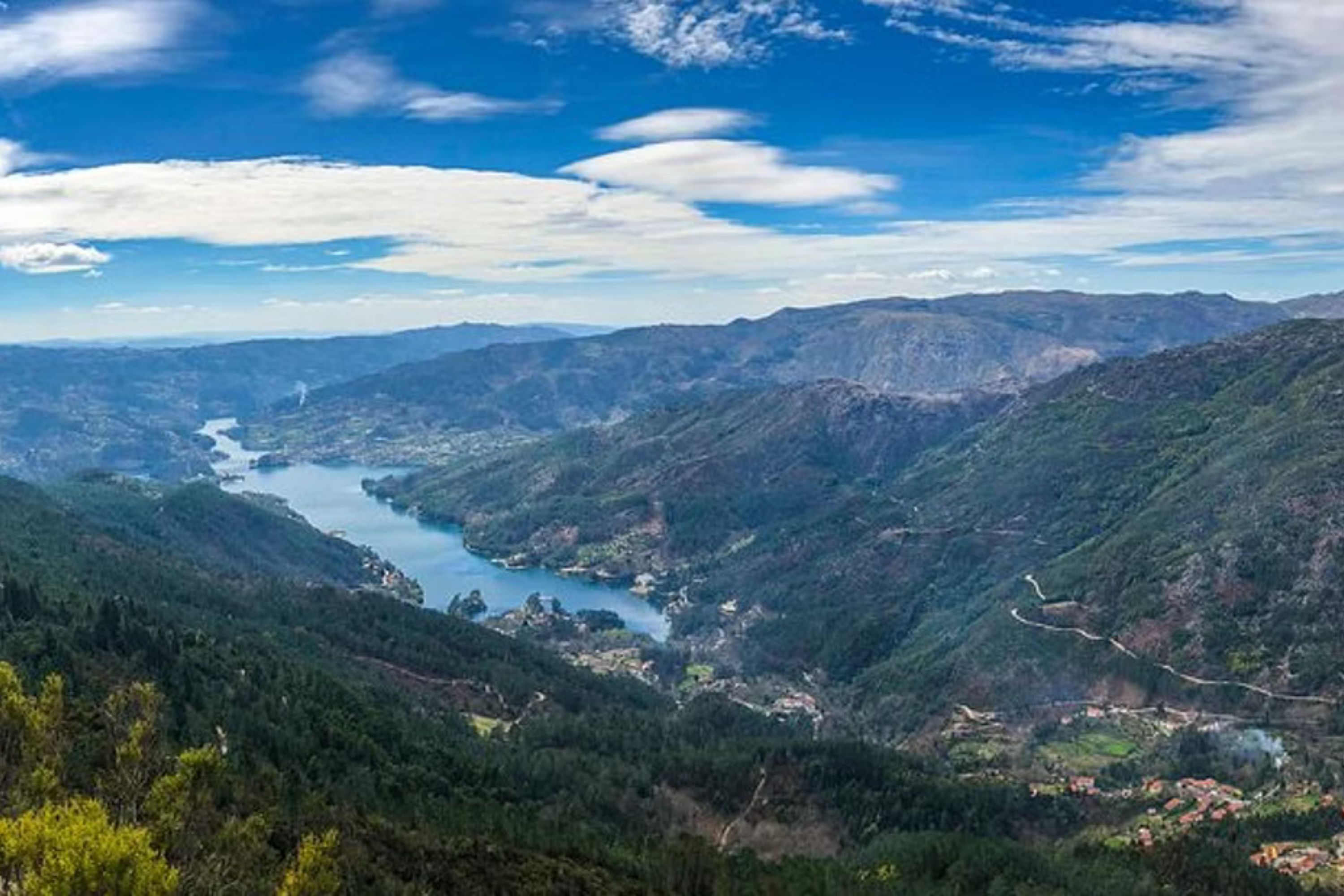
Lagoa das Sete Cidades is most likely the most iconic and recognized natural monument in the Azores. In a region with such a large number of striking landscapes, the image of Sete Cidades is often chosen to represent or promote the island of São Miguel and the archipelago. Named one of the Seven Wonders of Portugal.
Available options
Guided Tour to the Sete Cidades Volcano in São Miguel Azores
Pickup included
What's included
Bottled water
Air-conditioned vehicle
Pick-up
Guide
Drop-off
Detailed itinerary
1
Travelers will watch a video and visit the Ananases greenhouses, to understand the entire process from its plantation.
The history of Pineapple began in the 19th century, on the Island of São Miguel.
The Portuguese discovered the fruit during the colonization of Brazil and brought it to the Azores, being cultivated in a greenhouse and treated as an ornamental plant for cultural experiment and botanical curiosity. Only later did they learn that pineapple was a tasty fruit with strong commercial value.
In 1864, the first industrial greenhouse was built, with capacity for 800 plants. The evolution was such that shortly after, São Miguel Island already had 4,300 production greenhouses.
At the beginning of the 20th century, Pineapple from the Azores, internationally known, began to be exported to countries such as England, Germany and Russia.
After more than a century of commercialization in Europe, Ananás dos Açores was given the Designation of Origin Ananás dos Açores/S in 1996. Miguel was registered
2
Located in the parish of Arrifes, in Ponta Delgada, this viewpoint offers a very wide view over the mountains of the Massif of Sete Cidades and the north and south sides of the island.
You can also see a vast expanse of volcanic cones that stretch from the municipality of Ponta Delgada to the municipality of Ribeira Grande, always with several lagoons as a backdrop. It is possible to see Pico da Vara (the highest point on the island) and Fogo Volcano, Serra Gorda, with an elevation of around 800m.
3
This lagoon is located in Serra Devassa, housed in a volcanic crater. Its altitude in relation to sea level is 800 meters above sea level and is surrounded by typical Macaronesian forests and cryptomeria plantations. Close to this lagoon is the Miradouro da Lagoa do
4
This viewpoint is so named because in the summer of 1901, King D. Carlos I and Queen D. Amélia visited it. It offers a stunning view over the Sete Cidades crater, with the Sete Cidades Lagoon as a backdrop. It is one of the best-known postcards in the Azores.
5
It offers a view over Lagoa das Sete Cidades, with the parish of Sete Cidades as a backdrop.
6
Santiago Lagoon, which is related to the volcanic formation of the Sete Cidades Massif. It appears as a deep lagoon located in Serra Devassa, at the bottom of a volcanic crater. Its altitude in relation to sea level is 334 meters. It is 700 meters long, 475 meters wide and 29 meters deep. It is surrounded by typical Macaronesian forests and cryptomeria plantations. It is close to the Lagoa do Canário Viewpoint.
7
It is a small temple, in neo-Gothic style. Built in the 19th century. XIX, has an interesting alley of cryptomerias, on both sides until its entrance.
8
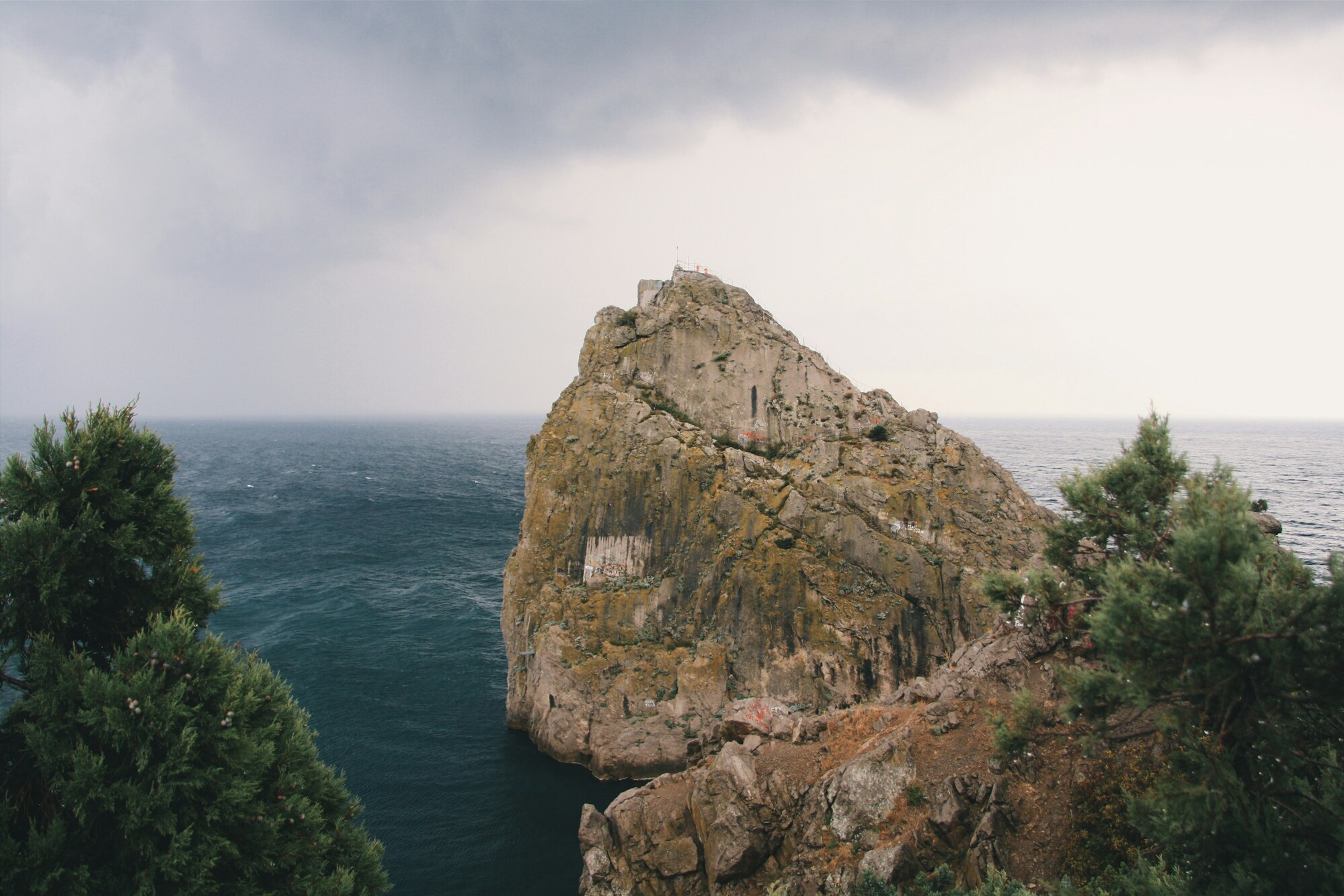
Built on a cliff, Miradouro do Escalvado is one of the ideal places to admire the sea and enjoy one of the most beautiful sunsets on the island of São Miguel.
It offers a fantastic view of two landmarks in the natural landscape of the municipality of Ponta Delgada: Ponta da Ferraria and Ilhéus dos Mosteiros.
What's not included
Pick up at the airport
Available languages
Guide guide
PT
EN
Reviews breakdown
Viator
3.9
10 reviews
5★
5
4★
1
3★
3
2★
0
1★
1
Tripadvisor
5.0
5 reviews
5★
5
4★
0
3★
0
2★
0
1★
0
Important information
Infants and small children can ride in a pram or stroller
Suitable for all physical fitness levels
About Ponta Delgada
Ponta Delgada, the largest city in the Azores archipelago, is known for its stunning natural beauty, rich history, and vibrant culture. Nestled on the island of São Miguel, it offers a unique blend of Portuguese charm and Azorean hospitality, making it a must-visit destination for travelers seeking both adventure and relaxation.
Top Attractions
Portas do Mar
Portas do Mar is a waterfront promenade and cultural center that offers stunning views of the Atlantic Ocean and the city's historic center. It's a great place to relax, dine, and enjoy local events.
Historical
1-2 hours
Free
Santa Bárbara Fortress
This 16th-century fortress offers panoramic views of Ponta Delgada and the surrounding coastline. It's a historic landmark and a great spot for photography enthusiasts.
Historical
1-2 hours
Free
Lagoa do Fogo
Lagoa do Fogo is a stunning crater lake surrounded by lush vegetation and dramatic cliffs. It's a popular spot for hiking and nature lovers.
Nature
Half day
Free
Goretti Market
This traditional market is a hub of local activity, offering fresh produce, seafood, and handicrafts. It's a great place to experience the local culture and sample Azorean cuisine.
Cultural
1 hour
Free to enter, prices vary for purchases
Azorean Whale Watching
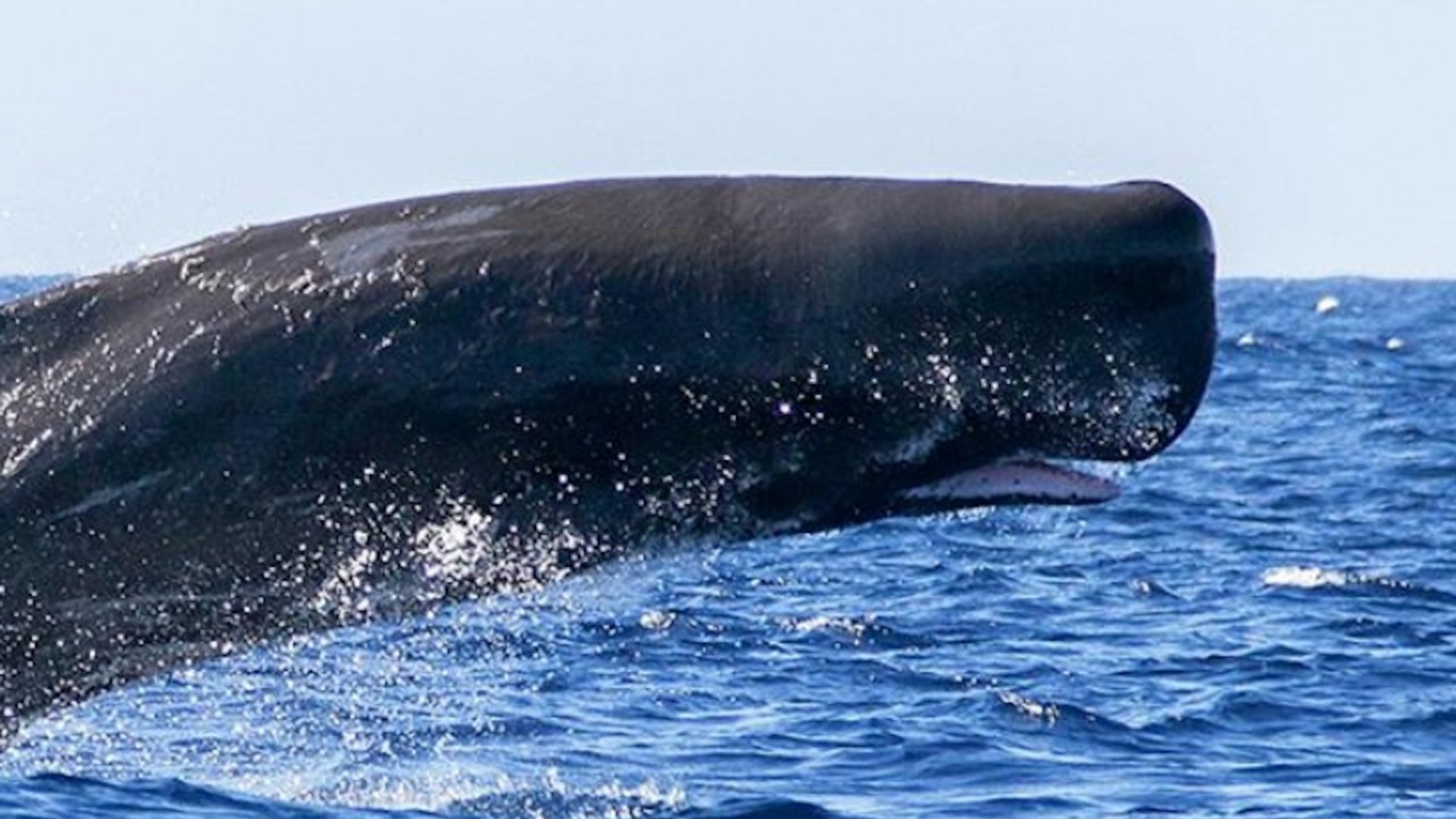
Ponta Delgada is one of the best places in the world for whale watching. Join a boat tour to see various species of whales and dolphins in their natural habitat.
Adventure
3-4 hours
€40-€60 per person
Must-Try Local Dishes
Cozido das Furnas
A traditional Azorean stew cooked underground using geothermal heat, featuring various meats and vegetables.
Dinner
Contains meat and vegetables, not suitable for vegetarians or vegans.
Bife à Regional
A tender beef steak marinated in garlic and wine, grilled to perfection.
Dinner
Contains beef, suitable for gluten-free diets if prepared accordingly.
Lapas Grelhadas
Grilled limpet, a local seafood delicacy often served with garlic and lemon.
Appetizer
Seafood, not suitable for vegetarians or vegans.
Queijo São Jorge
A sharp, smoky cheese from the nearby island of São Jorge, often served with bread and wine.
Snack
Dairy product, not suitable for vegans or those with lactose intolerance.
Popular Activities
Whale watching
Hiking
Scuba diving
Hot springs
Beach lounging
Wine tasting
Visiting historic sites
Attending local festivals
Best Time to Visit
June to September
This is the best time to visit Ponta Delgada for warm weather and outdoor activities. The city is lively with festivals and events, and the sea is ideal for swimming and water sports.
18°C to 28°C
64°F to 82°F
Practical Information
Language
- Official: Portuguese
- Widely spoken: English, French
- English: Moderately spoken
Currency
Euro (EUR)
Time Zone
GMT+0 (Azores Time)
Electricity
230VV, 50HzHz
Safety Information
Overall Safety Rating: Generally safe
Ponta Delgada is generally a safe destination for travelers. Petty crime is rare, but visitors should take standard precautions to protect their belongings.
Important Precautions:
- • Keep valuables secure
- • Use licensed taxis or ride-sharing apps
- • Be cautious of strangers offering help or services
Getting there
By air
- João Paulo II Airport • 2 km from city center
By bus
Rodoeste, Central Bus Station
Getting around
Public transport
Buses are the primary mode of public transport in Ponta Delgada. They are affordable and connect the city center to major attractions and nearby towns.
Taxis
Available • Apps: Bolt
Rentals
Car, Bike, Scooter
Neighborhoods
City Center
Arrifes
Lagoa
Day trips
Furnas
25 km from Ponta Delgada • Half day to full day
Furnas is known for its geothermal activity, hot springs, and the famous Cozido das Furnas. It's a great place for hiking, relaxation, and experiencing the island's unique natural phenomena.
Setes Cidades
40 km from Ponta Delgada • Full day
Setes Cidades is a stunning volcanic complex with two lakes and breathtaking views. It's a popular spot for hiking, photography, and nature lovers.
Nordeste
50 km from Ponta Delgada • Full day
Nordeste is known for its lush landscapes, waterfalls, and historic churches. It's a great place for hiking, exploring nature, and experiencing the island's cultural heritage.
Festivals
Festa do Senhor Santo Cristo dos Milagres • Easter week
Festival do Marisco • June
Pro tips
- Visit the Goretti Market for fresh produce and local handicrafts
- Try the traditional Azorean dish, Cozido das Furnas, cooked underground using geothermal heat
- Explore the historic center of Ponta Delgada, including the Portas do Mar and the Santa Bárbara Fortress
- Take a whale-watching tour to see various species of whales and dolphins in their natural habitat
- Hike to the stunning Lagoa do Fogo for breathtaking views and a unique natural experience
Get Price
per person
Price varies by option
Secure booking
Free cancellation available