Private Luxury Wine Day: 2000 Years of Austrian Wine in Wachau
Active
8h - 9h
For a full refund, cancel at least 24 hours before the scheduled departure time.
Instant confirmation
Mobile or paper ticket accepted
About this experience
This is not a standard sightseeing trip; it is a curated journey through the soul of Austria, told through its wine. While other tours stick to the surface, we invite you to understand the "terroir" of history.
What makes this tour unique is our "Time-Travel" concept: we connect the imperial grandeur of the Habsburgs with the ancient Roman roots of winemaking and the bold innovations of today's young vintners. You will taste wine in a 900-year-old monastery, stand on Roman foundations that date back 2,000 years, and chat with modern winemakers in their boutique cellars.
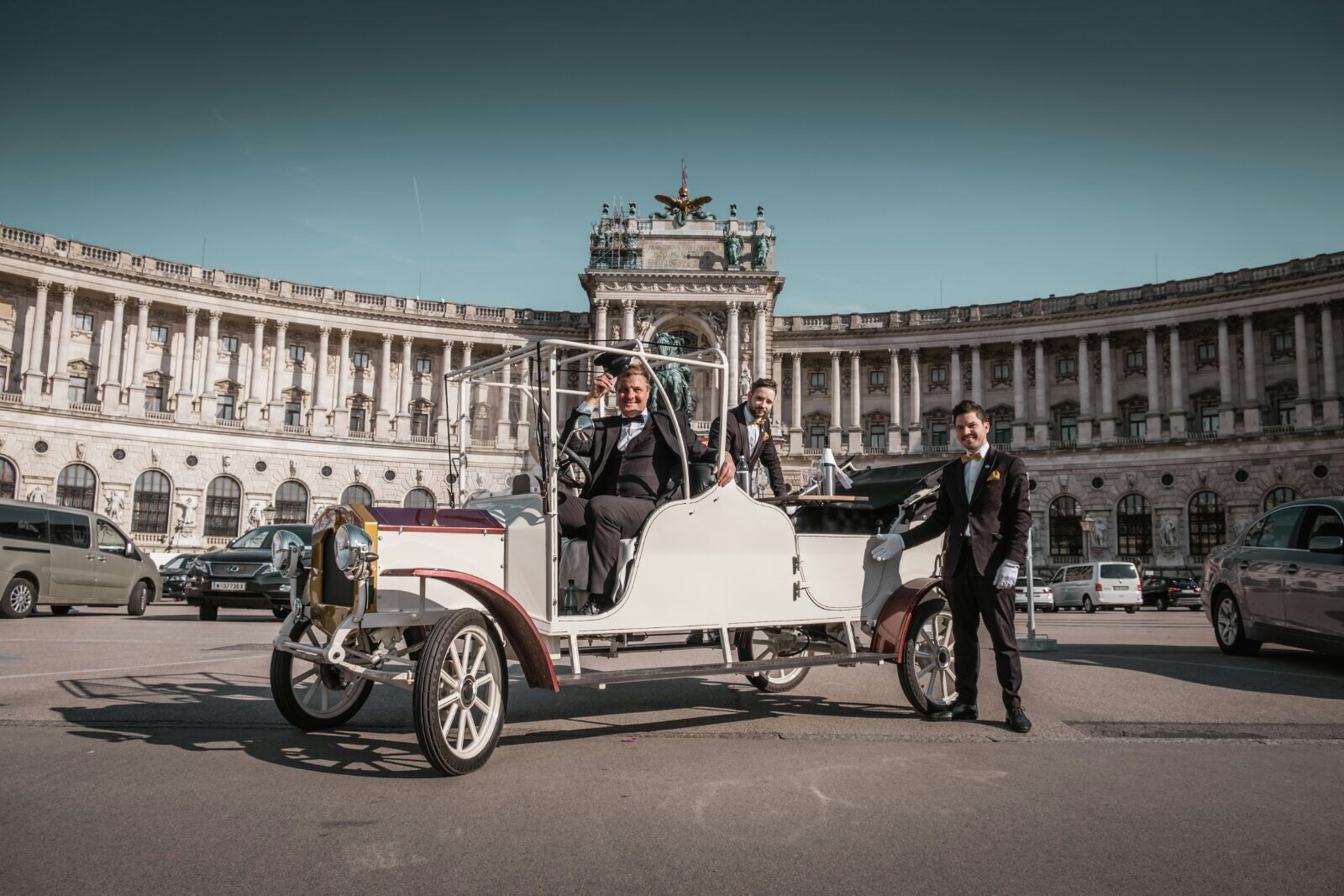
Traveling with a dedicated two-person team (Driver + Guide) elevates your experience: your guide is always by your side sharing stories, while your driver ensures a safe, smooth ride between tastings. This is the ultimate "History through the Glass" experience for those who appreciate culture, comfort, and gastronomy.
Available options
Private Luxury Wine Day: 2000 Years of Austrian Wine in Wachau
Pickup included
What's included
Hotel pickup and drop-off
Bottled water
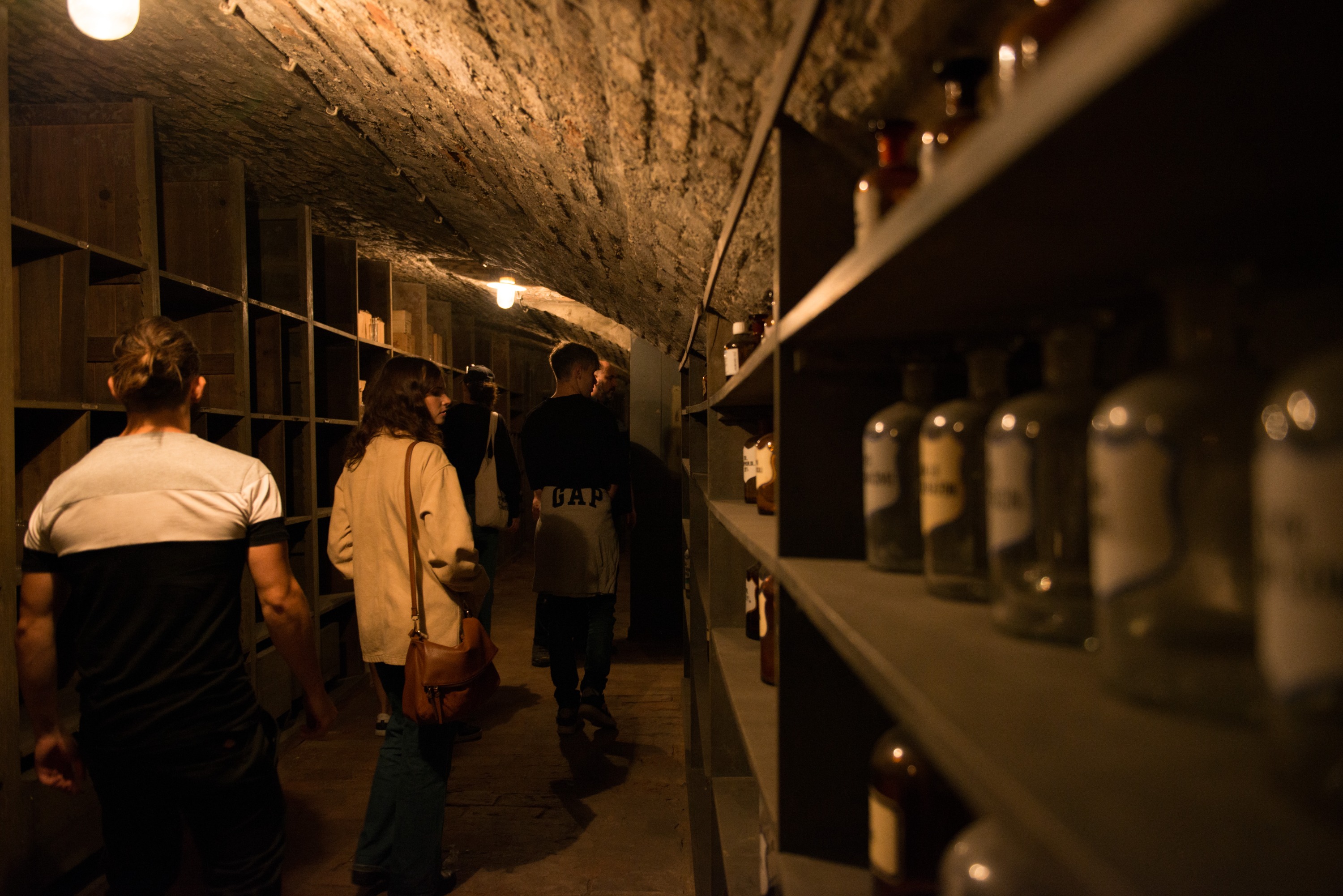
Entrance fee to Klosterneuburg Abbey (Treasury visit)
Private Professional Guide & Separate Private Driver
Wi-Fi on board
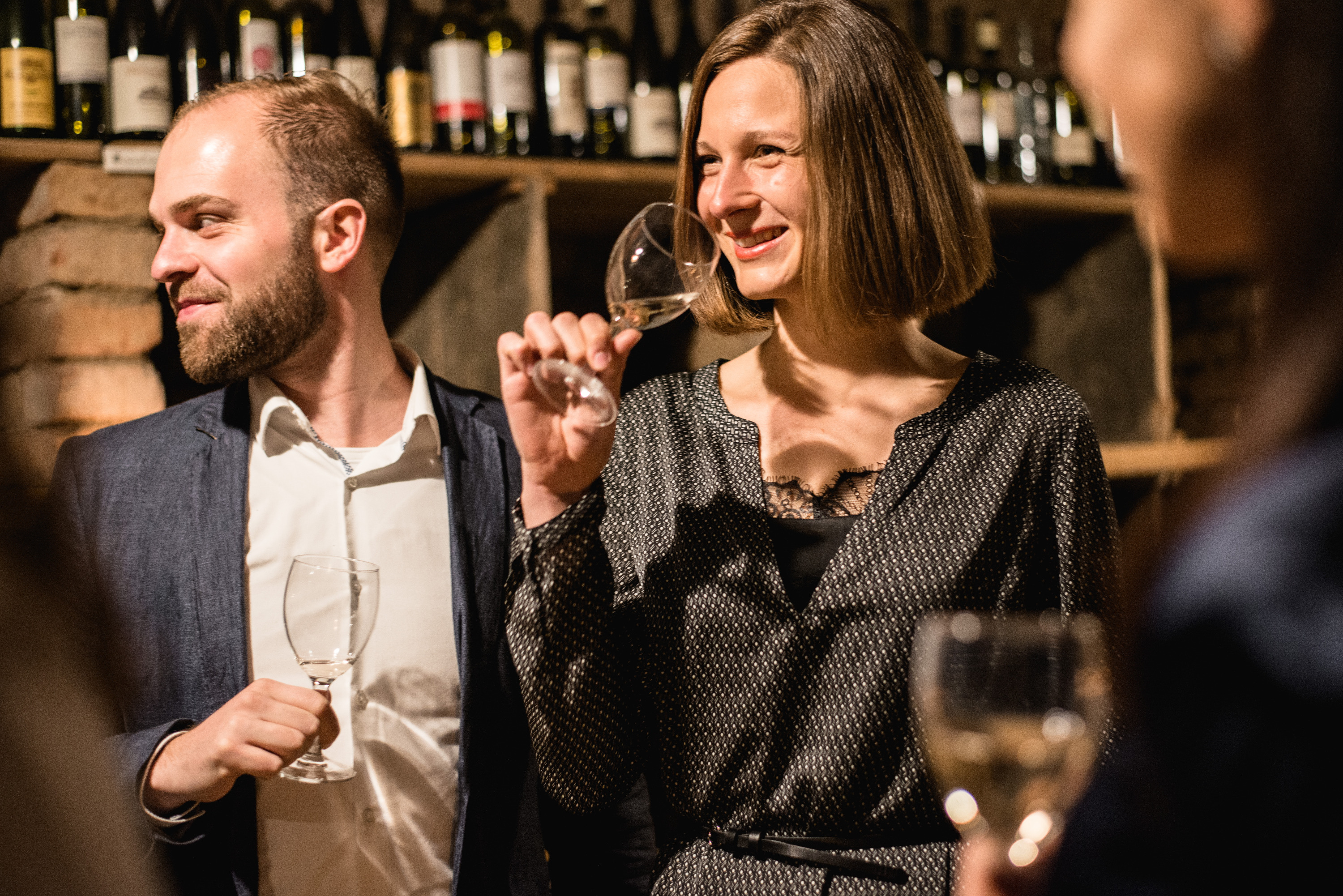
Wine tasting at Klosterneuburg Abbey
Private transportation in an air-conditioned vehicle
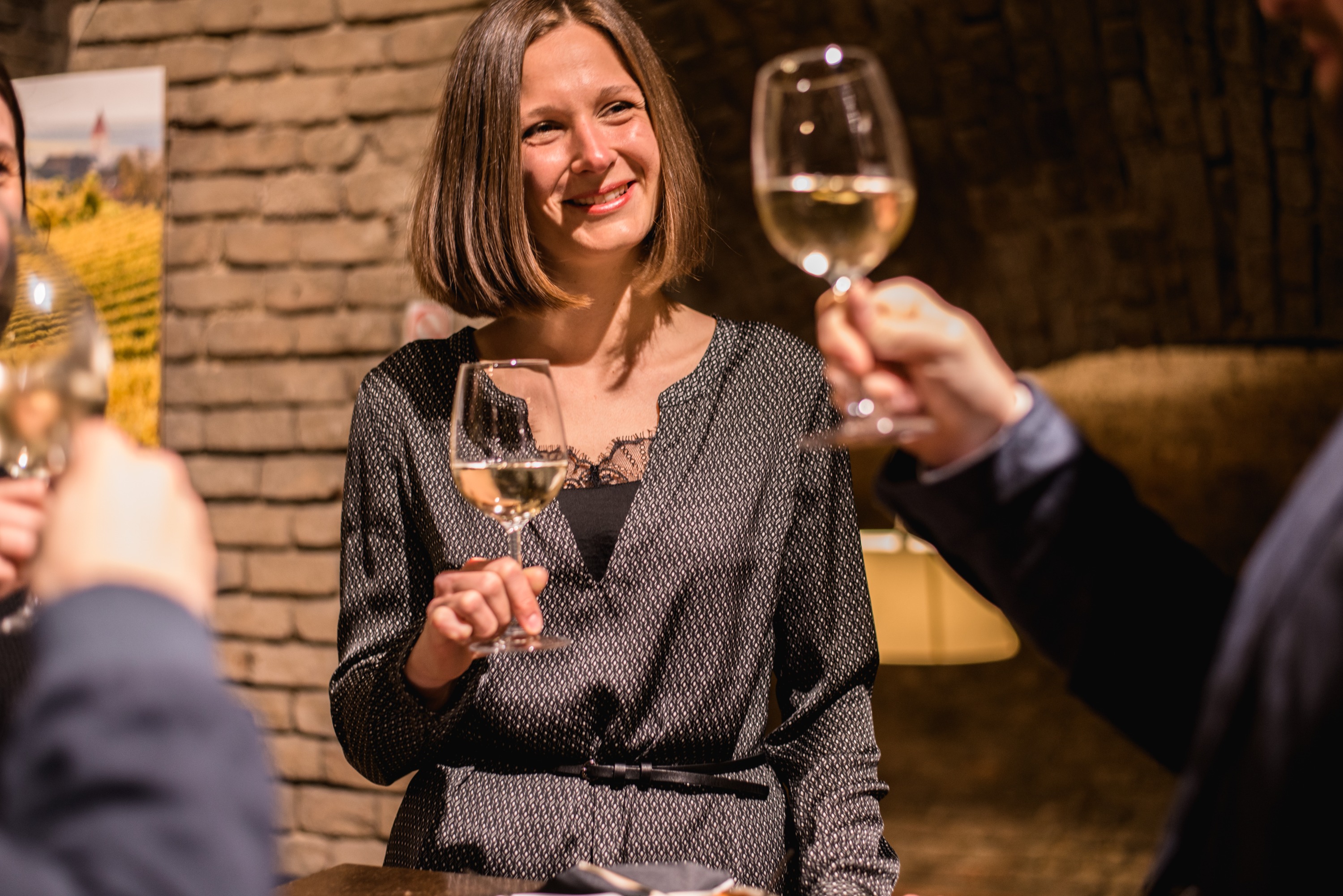
Wine tasting at a local boutique winery
Wine tasting at Nikolaihof Winery (Austria's oldest winery)
Detailed itinerary
1
Stop 1
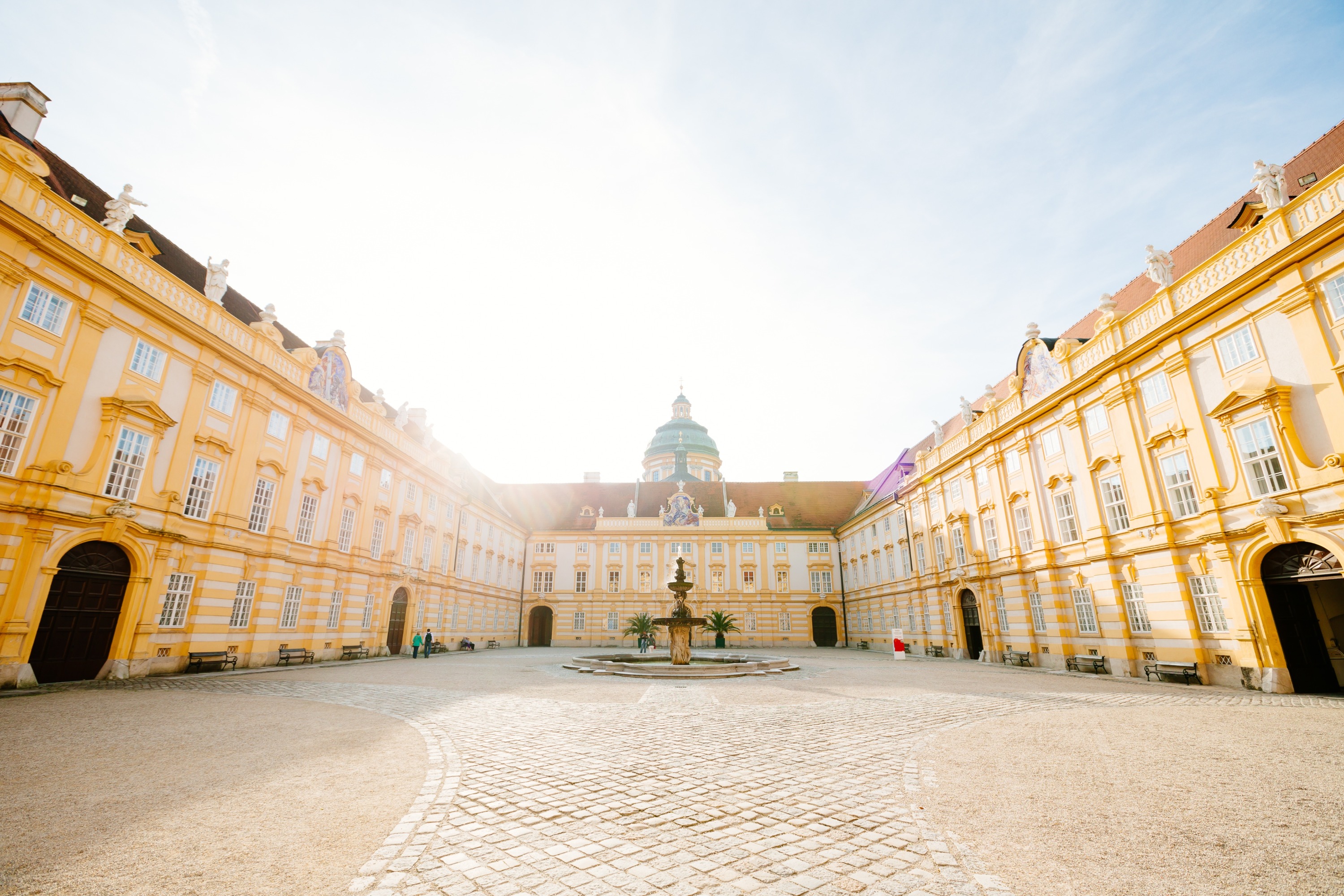
We begin our journey at the majestic Klosterneuburg Abbey, founded in 1114. This isn't just a winery; it's a piece of Austrian imperial history.
First, we visit the Imperial Treasury to see the "Archducal Hat" (the crown of Lower Austria) and learn how the Babenberg dynasty and the Habsburgs shaped this region.
The Roots of Wine: You will discover how medieval monks laid the foundation for Austrian viticulture.
The Tasting: We conclude the visit with a curated tasting of 3 wines from the monastery’s estate, comparing varieties from the Vienna region and the Danube Valley.
2
We leave the city behind and head towards the Wachau Valley along a scenic route. The road winds through the lush hills and forests of Lower Austria.
Use this hour to relax in the comfort of your private car, or listen as your guide shares fascinating stories about the villages and landscapes passing by your window.
3
We arrive at Nikolaihof, the oldest winery in Austria, whose history dates back to the Romans (you can still see the ancient walls!). As pioneers of bio-dynamic farming (Demeter certified), they produce wines that are completely different from the mainstream. We will taste their unique, long-aged Rieslings under the shadow of a 1,000-year-old linden tree, diving deep into the philosophy of natural wine.
4
Stop 4
We reach the heart of the UNESCO valley—the charming town of Dürnstein, famous for its blue church tower and the castle ruins where Richard the Lionheart was imprisoned. We take a leisurely stroll through the cobbled medieval streets.
This is the perfect time for a relaxing lunch. Your guide will recommend a traditional restaurant with a terrace overlooking the Danube, where you can enjoy local specialties like apricot dumplings or fresh fish. (Lunch cost not included).
5
Stop 5
To complete our "time travel," we visit a modern, family-run boutique winery (e.g., Simon Gattinger or similar). Here, the contrast is striking. You will meet the new generation of Austrian winemakers who combine tradition with modern technology. In an intimate atmosphere, we taste crisp, fresh Federspiel and complex Smaragd wines, discussing the future of the Wachau region.
6
Stop 6
After a day full of flavors and impressions, sit back and relax. Your private driver will take you safely back to your hotel in Vienna.
What's not included
Gratuities
Lunch
Available languages
Guide guide
EN
Reviews breakdown
Viator
5.0
1 reviews
5★
1
4★
0
3★
0
2★
0
1★
0
Tripadvisor
5.0
1 reviews
5★
1
4★
0
3★
0
2★
0
1★
0
Important information
Specialized infant seats are available
Not recommended for pregnant travelers
Infants and small children can ride in a pram or stroller
Suitable for all physical fitness levels
About Vienna
Vienna, the capital of Austria, is renowned for its rich imperial history, vibrant arts scene, and stunning architecture. Known as the 'City of Music', it has been home to legendary composers like Mozart, Beethoven, and Strauss. The city's elegant cafes, grand palaces, and world-class museums make it a cultural treasure trove.
Top Attractions
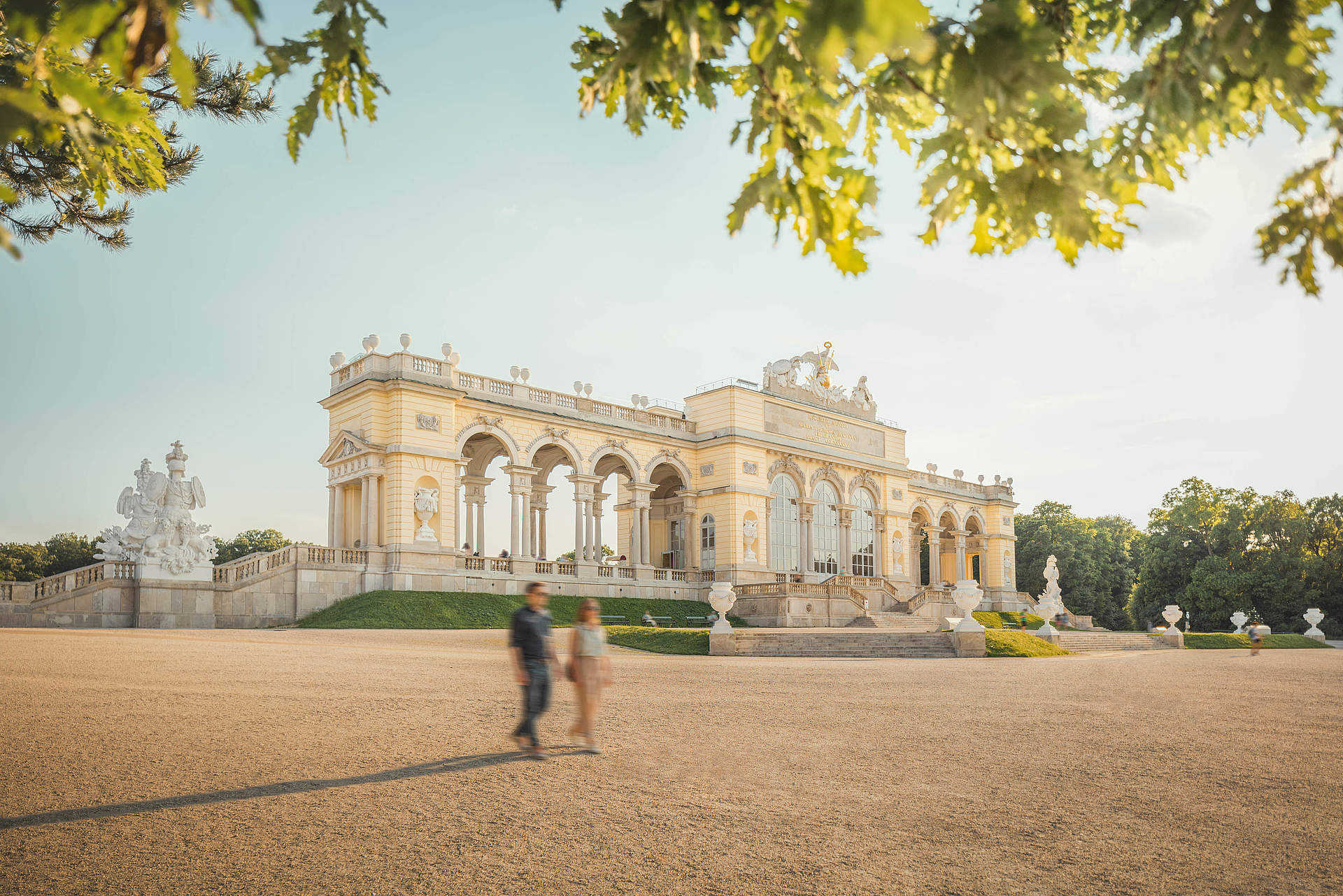
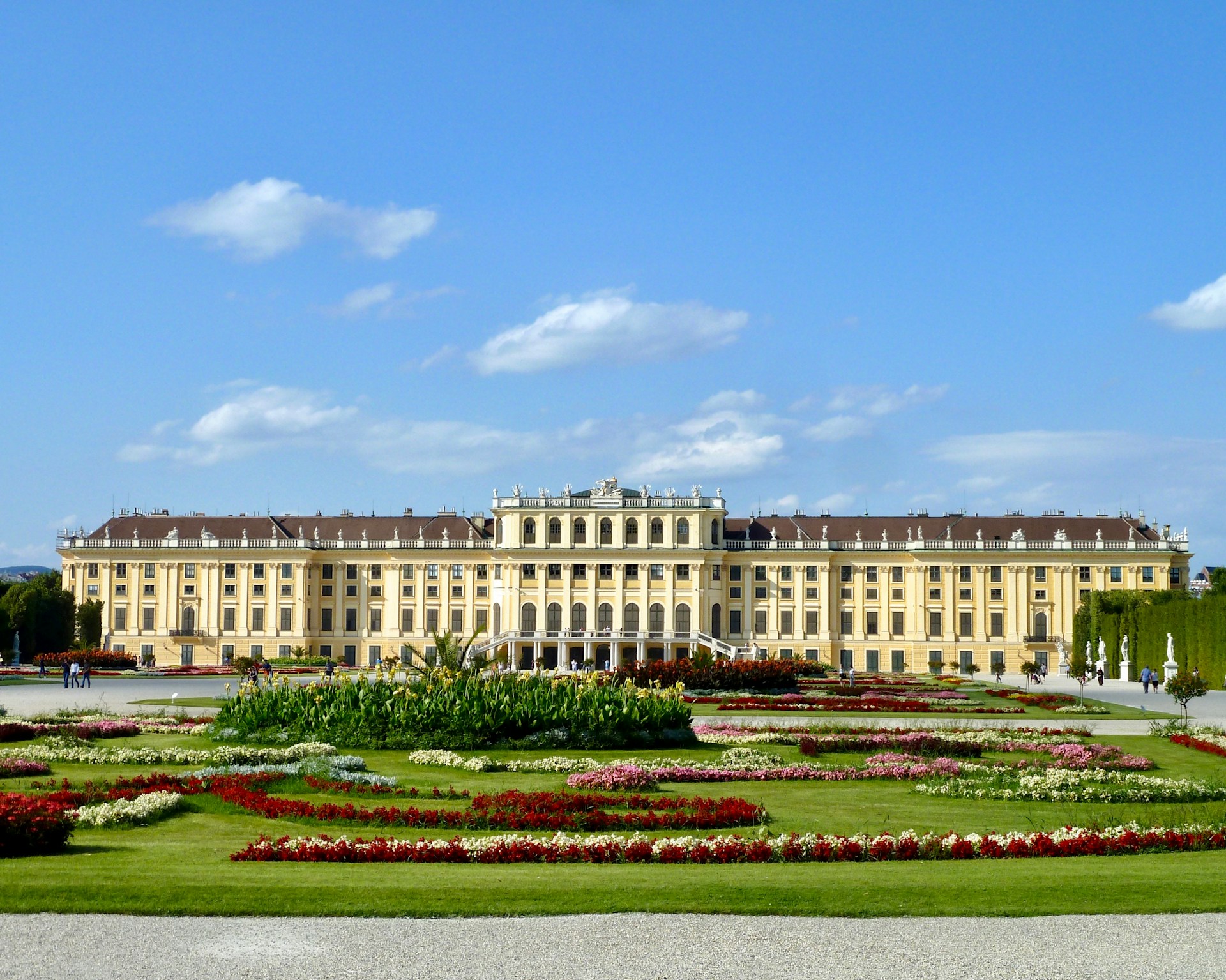
Schönbrunn Palace
A former imperial summer residence, Schönbrunn Palace is a stunning example of Baroque architecture. The palace and its gardens are a UNESCO World Heritage site.
Historical/Architecture
2-3 hours
€18 for Imperial Tour, €24 for Grand Tour
St. Stephen's Cathedral
A masterpiece of Gothic architecture, St. Stephen's Cathedral is a symbol of Vienna. The cathedral's multi-colored tile roof is iconic.
Religious/Architecture
1-2 hours
Free entry, €6 for tower climb, €7 for treasury
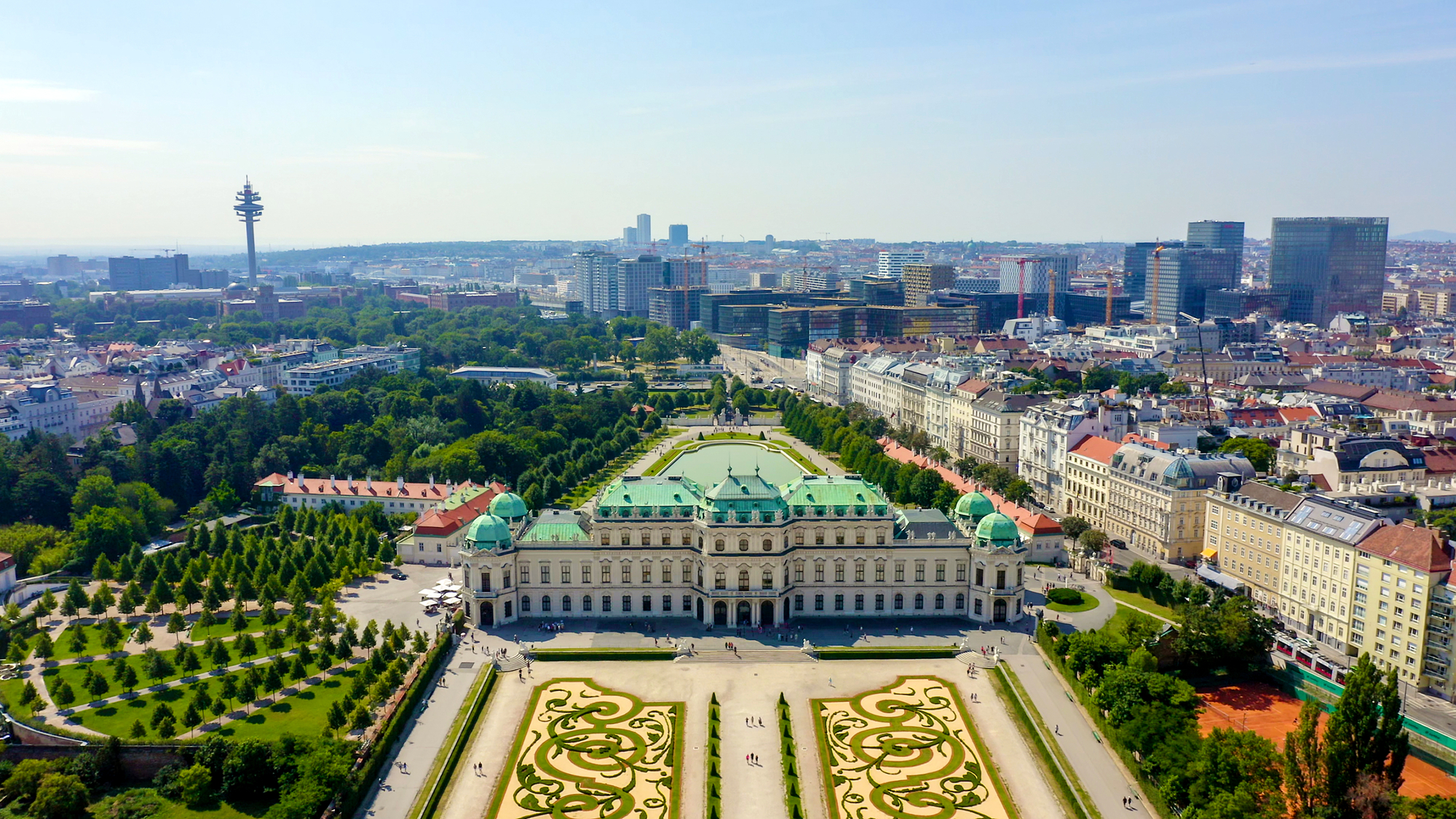
Belvedere Palace
A historic building complex with two Baroque palaces, the Belvedere houses the largest collection of Gustav Klimt paintings, including 'The Kiss'.
Historical/Art/Museum
2-3 hours
€16 for Upper Belvedere, €14 for Lower Belvedere
Vienna State Opera
One of the world's leading opera houses, the Vienna State Opera offers performances of opera, ballet, and concerts.
Cultural/Entertainment
2-4 hours (performance length)
€10-200 depending on performance and seat
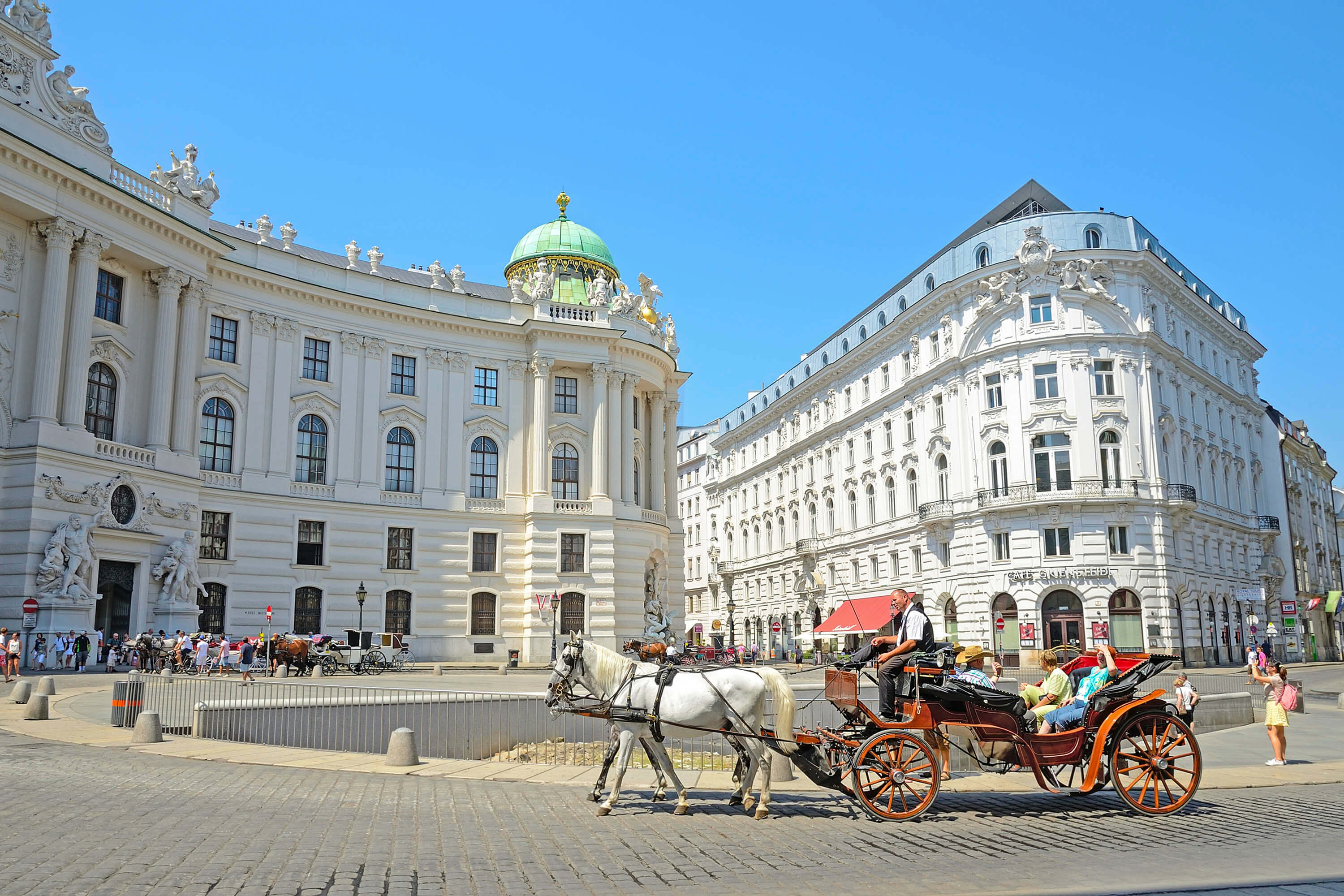
Hofburg Palace
The former imperial palace, Hofburg Palace is now home to several museums, the Austrian National Library, and the Spanish Riding School.
Historical/Museum
2-3 hours
€14 for Sisi Museum and Imperial Apartments, €20 for Silver Collection
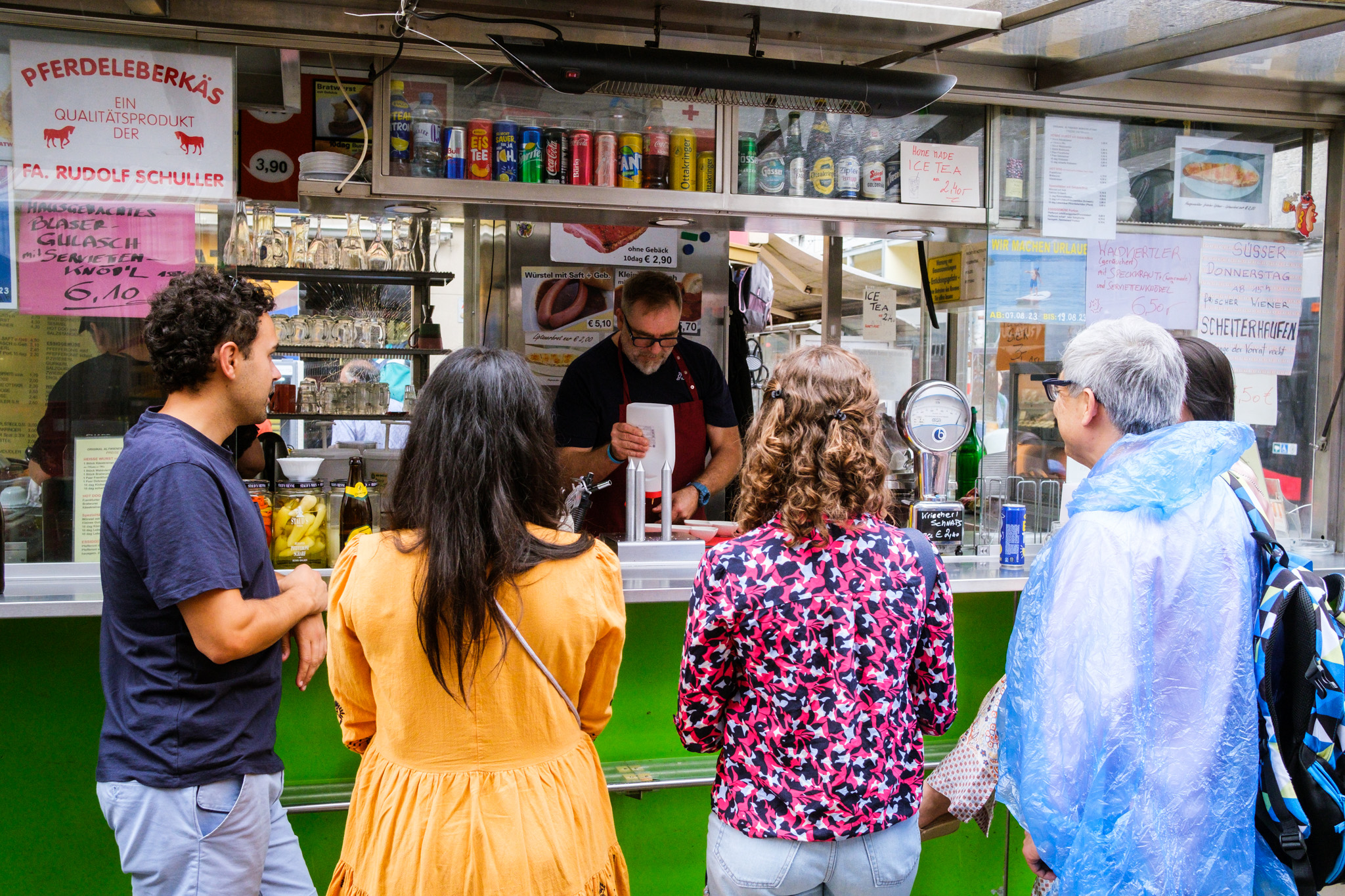
Must-Try Local Dishes
Wiener Schnitzel
A thin, breaded, and fried veal cutlet, traditionally served with lemon and potato salad or dumplings.
Dinner
Contains gluten and dairy
Tafelspitz
Boiled beef, usually served with root vegetables, apple sauce, and horseradish.
Dinner
Gluten-free, dairy-free
Sachertorte
A famous chocolate cake with a thin layer of apricot jam, covered in dark chocolate glaze.
Dessert
Contains gluten and dairy
Apfelstrudel
A thin pastry filled with spiced apples, raisins, and sugar, often served with vanilla sauce or ice cream.
Dessert
Contains gluten
Popular Activities
Hiking in the Vienna Woods
Cycling along the Danube
Kayaking on the Danube
Coffee house hopping
Spa day at a luxury hotel
Strolling through Schönbrunn Palace Gardens
Visiting museums and galleries
Attending opera or concert performances
Best Time to Visit
May to September
This is the best time to visit Vienna for pleasant weather and outdoor activities. The city hosts numerous festivals and cultural events during these months.
15°C to 30°C
59°F to 86°F
Practical Information
Language
- Official: German
- Widely spoken: English, Austro-Bavarian dialect
- English: Widely spoken in tourist areas, moderately spoken elsewhere
Currency
Euro (EUR)
Time Zone
GMT+1 (CET), GMT+2 (CEST during daylight saving time)
Electricity
230VV, 50HzHz
Safety Information
Overall Safety Rating: Generally safe
Vienna is a safe city with low crime rates. However, as with any major city, petty crime and pickpocketing can occur in tourist areas.
Important Precautions:
- • Keep valuables secure and out of sight
- • Use licensed taxis or ride-sharing apps
- • Be cautious of strangers offering help or services
Getting there
By air
- Vienna International Airport • 18 km from city center
By train
Vienna Hauptbahnhof (Main Station), Vienna Westbahnhof
By bus
Vienna International Bus Terminal, Erdberg Bus Station
Getting around
Public transport
Vienna's metro system is efficient and user-friendly, with four lines (U1, U2, U3, U4).
Taxis
Available • Apps: Bolt, FreeNow
Rentals
Car, Bike, Scooter
Neighborhoods
Innere Stadt
Leopoldstadt
Wieden
Hietzing
Day trips
Bratislava
80 km (50 miles) • Full day
The capital of Slovakia, Bratislava is a charming city with a rich history, beautiful architecture, and a vibrant cultural scene.
Salzburg
300 km (186 miles) • Full day or overnight
The birthplace of Mozart, Salzburg is a beautiful city with a rich musical heritage, stunning architecture, and scenic surroundings.
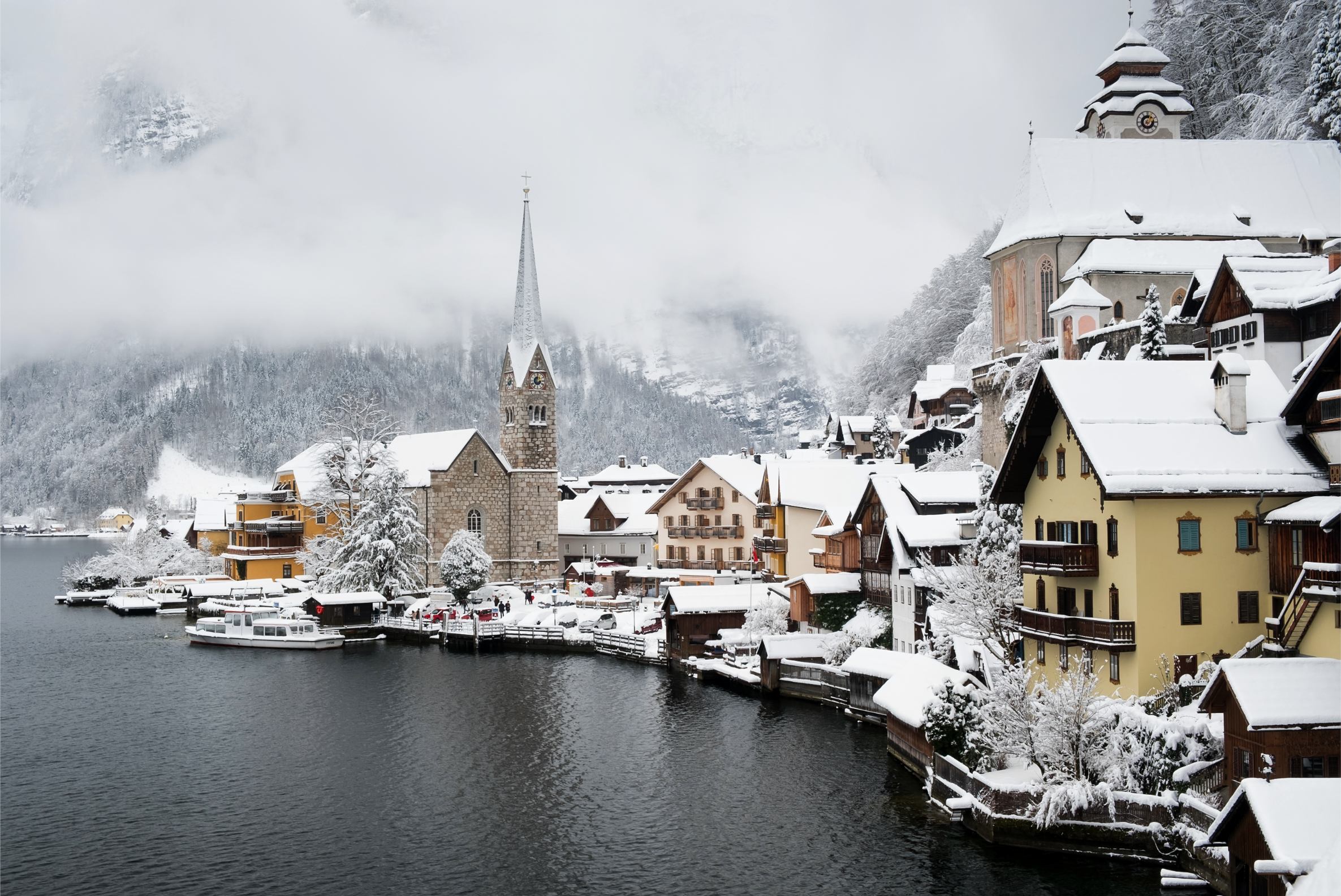
Hallstatt
200 km (124 miles) • Full day or overnight
A picturesque lakeside village in the Austrian Alps, Hallstatt is known for its stunning natural beauty and historic salt mines.
Festivals
Vienna Festival (Wiener Festwochen) • May to June
Vienna Opera Ball (Wiener Opernball) • Late February or early March
Vienna Christmas Markets (Wiener Christkindlmarkt) • Late November to December 26
Pro tips
- Visit major attractions early in the morning or late in the afternoon to avoid crowds
- Purchase a Vienna Pass for unlimited transport and attractions, saving time and money
- Explore the city's coffee house culture and try traditional pastries like Sachertorte and Apfelstrudel
- Take a day trip to nearby cities like Bratislava or Salzburg for a change of pace
- Use public transport or walk to explore the city, as driving can be challenging and expensive
Get Price
per person
Price varies by option
Secure booking
Free cancellation available
Instant confirmation