Trulli Tour of Unesco Recognition in Alberobello
Active
2h - 3h
For a full refund, cancel at least 24 hours before the scheduled departure time.
Instant_then_manual confirmation
Mobile or paper ticket accepted
About this experience
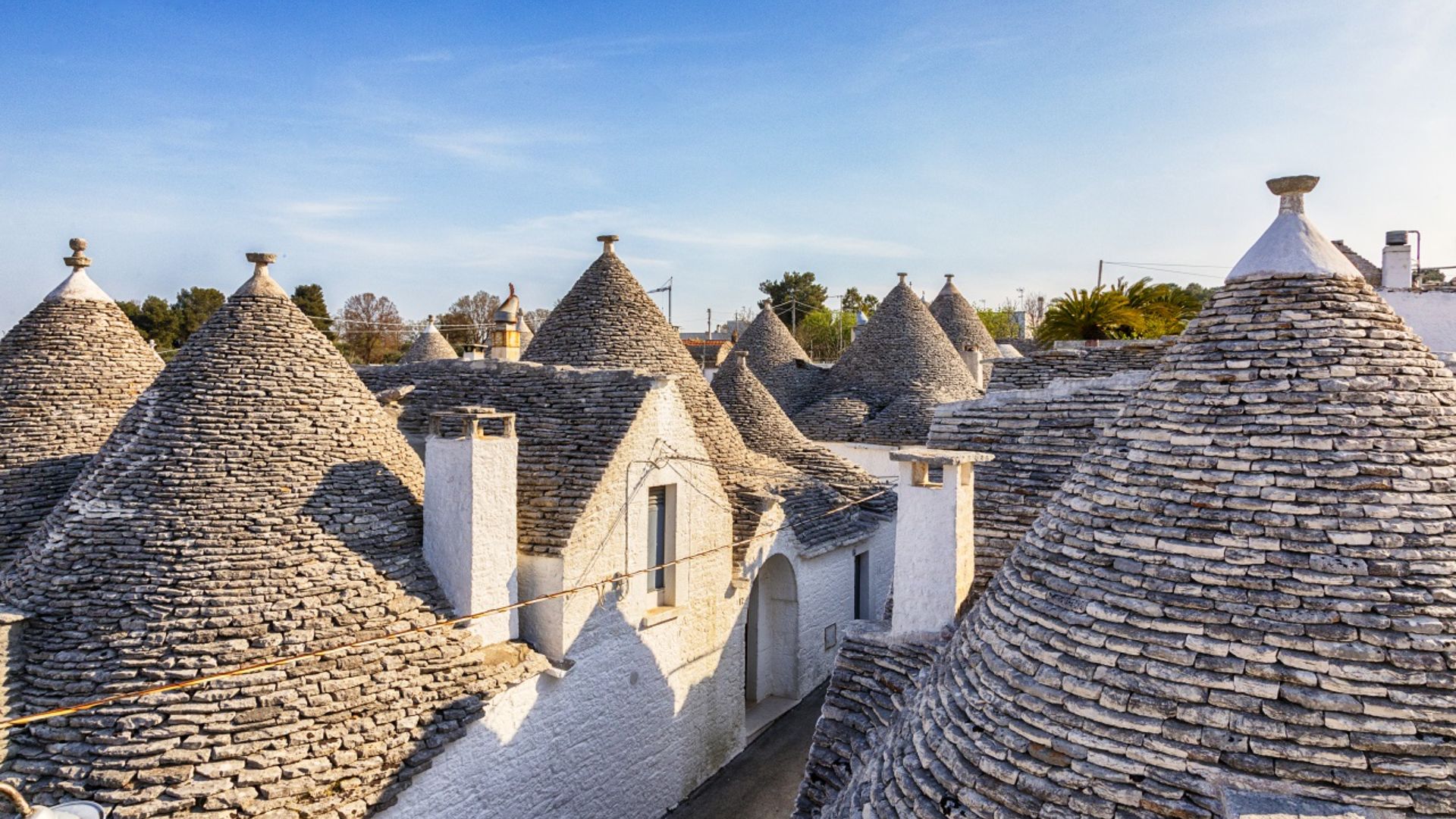
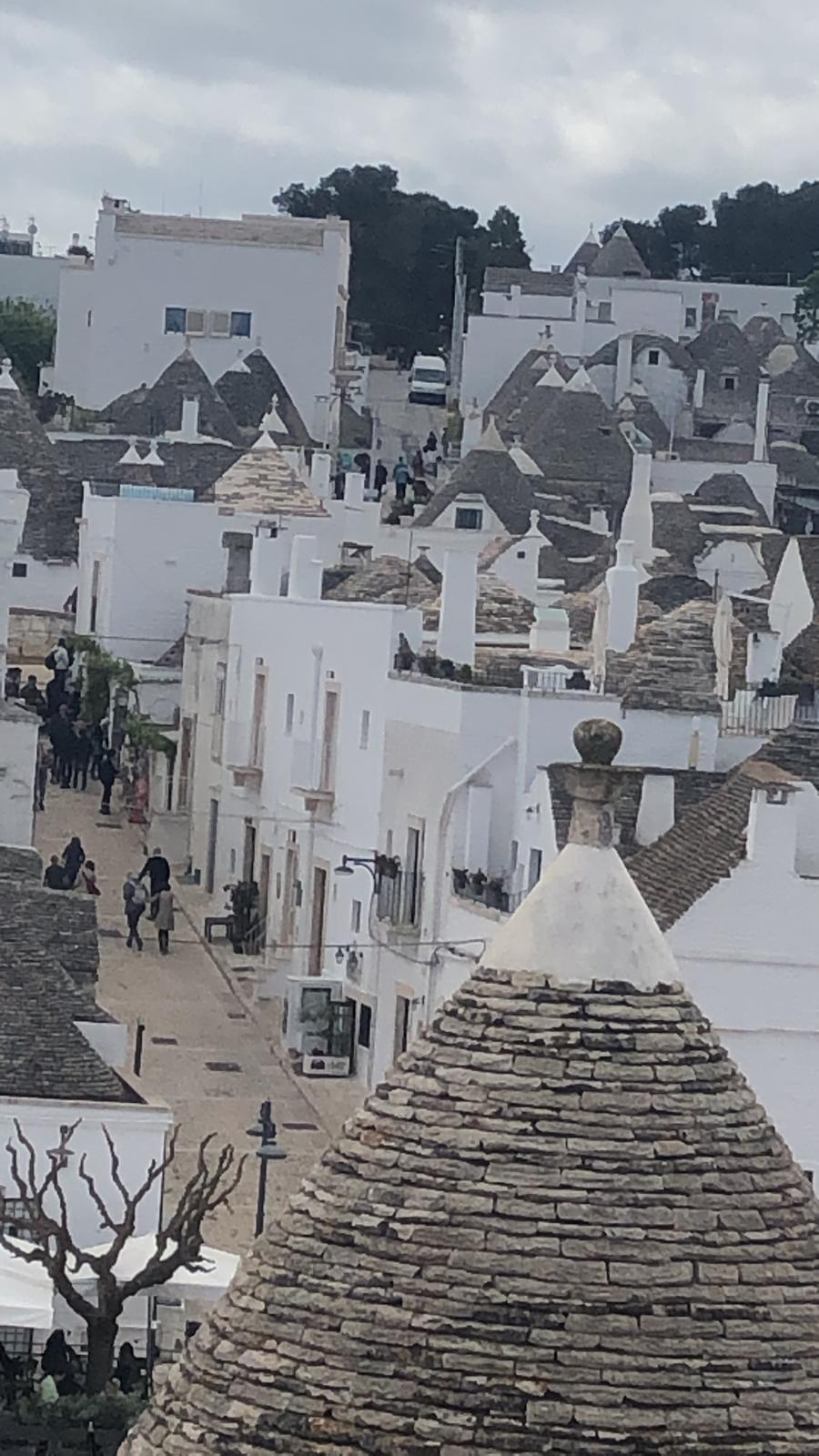
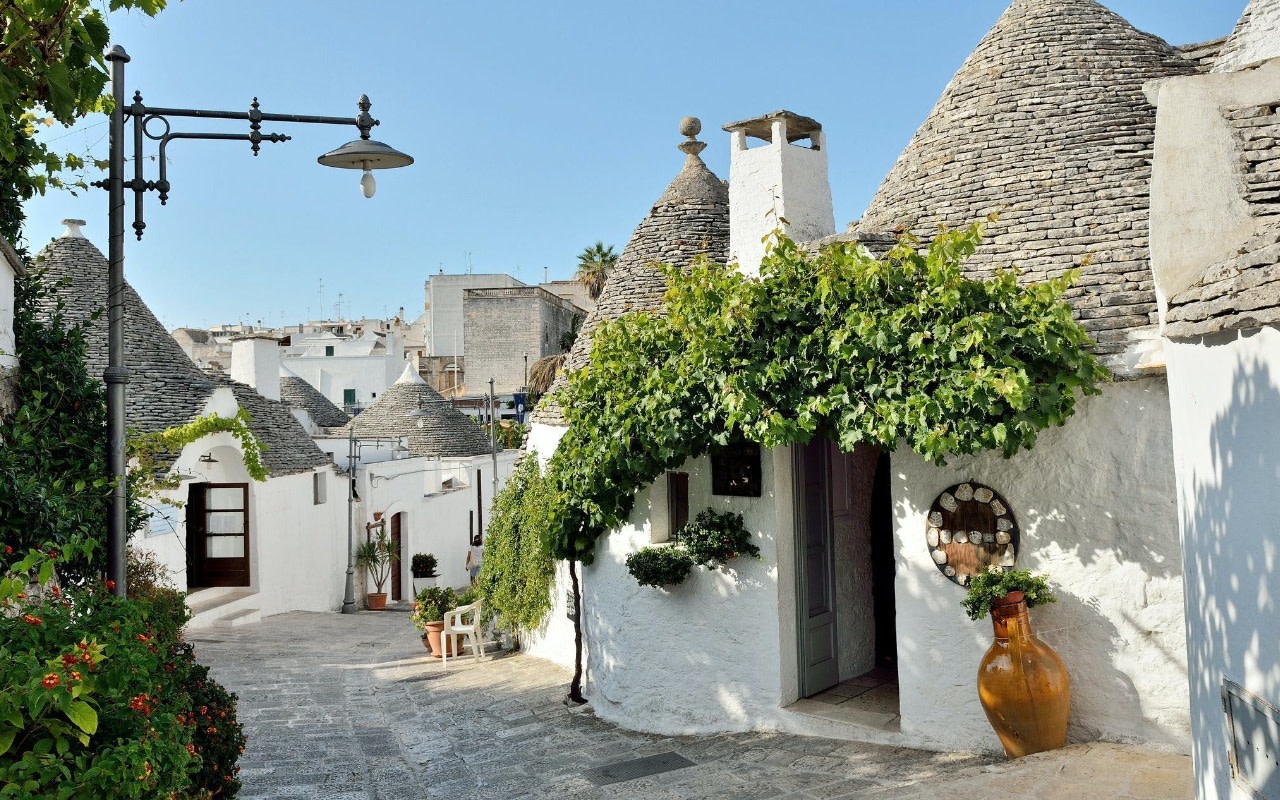
This Tour reconstructs the dossier for which Alberobello has been included in the Unesco Heritage List since 1996. We will visit the historically and architecturally richest areas and areas with trulli in history. We will almost be the eyes of the judges who chose Alberobello as a unique town in the world. We will not go to the more touristic areas, but we will look for the reasons why entire families populated the hills instead of the plains. Because there are different types of limestone in a trullo. Because it was built without mortar or cement. Who were the first inhabitants of the area. The tour is one of a kind and includes both an urban and a natural route.
Available options
Trulli Tour of Unesco Recognition in Alberobello
What's included
All Fees and Taxes
At the beginning of the excursion, an energy bar and a bottle of water will be provided. The entrance ticket to Trullo Sovrano is included in the price per person
Detailed itinerary
1
Church work of the brilliant architect Antonio Curri. The facade of the previous church was rebuilt and completed in 1885. The dominant theme is Neoclassicism. The Minor Basilica is dedicated to the two holy brothers Cosma and Damiano to whom numerous miraculous healings of the faithful are owed.
2
Stop 2
Pass by
We will travel along streets that preserve stories and trulli outside the most popular tourist circuits. We will walk through the magnificent trulli of via Monte Grappa. Subsequently, via Monte Calvario we will reach the trulli of Paparale. Trulli of inestimable importance, among the oldest in Alberobello. We will continue along via Cielo Cielo observing the rural trulli with the function of small warehouses and shelters for agricultural tools. Area that was inhabited by an ancient Roman Legion.
3
In the third part of our tour we will return to the urban center of Alberobello. We will cross via Villa Curri, observing his splendid villa, now privately owned. We will observe trulli with ancient architecture and outside the modern canons. Sanctuary of the Madonna della Madia (stop depending on opening hours)
4
Stop 4
This trullo, already from the name, indicates its majesty. In reality it was declared a National Monument as early as 1923. According to a document dating back to 1797 it was found that the trullo was built using mortar and consequently violating the provisions of the then count and local feudal lord Giangirolamo Acquaviva.
In the early 1800s the trullo housed the relics of Saints Cosma and Damiano, Patrons of Alberobello, these had been brought from Rome by Don Cataldo himself, and subsequently from 1826 to 1837 it housed the Confraternity of the Blessed Sacrament. The entrance ticket is included in the fee and we will take you inside to discover its secrets and what everyday life was like more than a century ago.
The remaining time on the tour will be spent commuting between attractions and having free time.
What's not included
Everything not mentioned is excluded from the participation fee
Available languages
Guide guide
EN
IT
ES
Important information
Wheelchair accessible
Infants and small children can ride in a pram or stroller
Service animals allowed
Public transportation options are available nearby
Infants are required to sit on an adult’s lap
All areas and surfaces are wheelchair accessible
Not recommended for travelers with poor cardiovascular health
Suitable for all physical fitness levels
Meeting point
The meeting point is the Giant Agricultural School of Alberobello, it is 30 meters from the Trullo Sovrano and 100 meters from the Basilica Minore dei S.S. Doctors Cosma and Damiano.
About Alberobello & Locorotondo
Alberobello and Locorotondo are charming hilltop towns in Puglia, famous for their unique trulli houses with conical roofs. These UNESCO World Heritage Sites offer a glimpse into traditional Apulian architecture and lifestyle, surrounded by beautiful olive groves and vineyards.
Top Attractions
Rione Monti
The historic center of Alberobello, famous for its trulli houses with conical roofs.
Historical
2-3 hours
Free
Rione Aia Piccola
Another historic area in Alberobello with a mix of trulli and modern buildings.
Historical
1-2 hours
Free
Locorotondo Centro Storico
The charming historic center of Locorotondo, known for its circular layout and whitewashed buildings.
Historical
1-2 hours
Free
Trullo Sovrano
The only two-story trullo open to the public, featuring a museum and a small garden.
Historical
30-45 minutes
€5
Casa d'Amore
A historic trullo with a museum showcasing traditional Apulian life and furniture.
Historical
30-45 minutes
€4
Palazzo Morelli
A historic palace in Locorotondo with a museum showcasing local art and history.
Historical
30-45 minutes
€3
Must-Try Local Dishes
Orecchiette
A type of pasta shaped like small ears, typically served with broccoli rabe or tomatoes.
Main Dish
Vegetarian
Burrata
A creamy cheese made from mozzarella and cream, typically served with bread and tomatoes.
Dish
Contains dairy
Focaccia
A type of flatbread topped with olive oil, salt, and sometimes herbs or vegetables.
Bread
Vegetarian (can be vegan if no cheese is added)
Panzerotti
Deep-fried pastries filled with tomato sauce, mozzarella, and sometimes other ingredients.
Snack
Contains dairy (can be vegetarian or vegan with different fillings)
Popular Activities
Hiking in Valle d'Itria
Cave tours in Castellana Grotte
Beach day in Polignano a Mare
Wine tasting in Masseria Montelauro
Exploring the historic centers of Alberobello and Locorotondo
Visiting local museums and churches
Swimming and sunbathing in Polignano a Mare
Exploring indoor museums and churches
Best Time to Visit
May to September
This is the best time to visit for warm weather and outdoor activities. The towns are vibrant, and many festivals take place during these months.
20°C to 35°C
68°F to 95°F
Practical Information
Language
- Official: Italian
- Widely spoken: English (in tourist areas)
- English: Moderately spoken
Currency
Euro (EUR)
Time Zone
CET (UTC +1), CEST (UTC +2 during daylight saving time)
Electricity
230VV, 50HzHz
Safety Information
Overall Safety Rating: Generally safe
Alberobello and Locorotondo are generally safe for travelers, with low crime rates. However, petty theft and pickpocketing can occur in tourist areas.
Important Precautions:
- • Keep valuables secure
- • Use licensed taxis
- • Be cautious of strangers offering services
Getting there
By air
- Bari Karol Wojtyła Airport • 60 km (37 miles) from Alberobello
- Brindisi Airport • 90 km (56 miles) from Alberobello
By train
Alberobello Station, Locorotondo Station
By bus
Alberobello Bus Station, Locorotondo Bus Station
Getting around
Public transport
Buses are the primary mode of public transport, connecting towns and villages.
Taxis
Available • Apps: Uber, FreeNow
Rentals
Car, Bike, Scooter
Neighborhoods
Rione Monti
Rione Aia Piccola
Centro Storico
Day trips
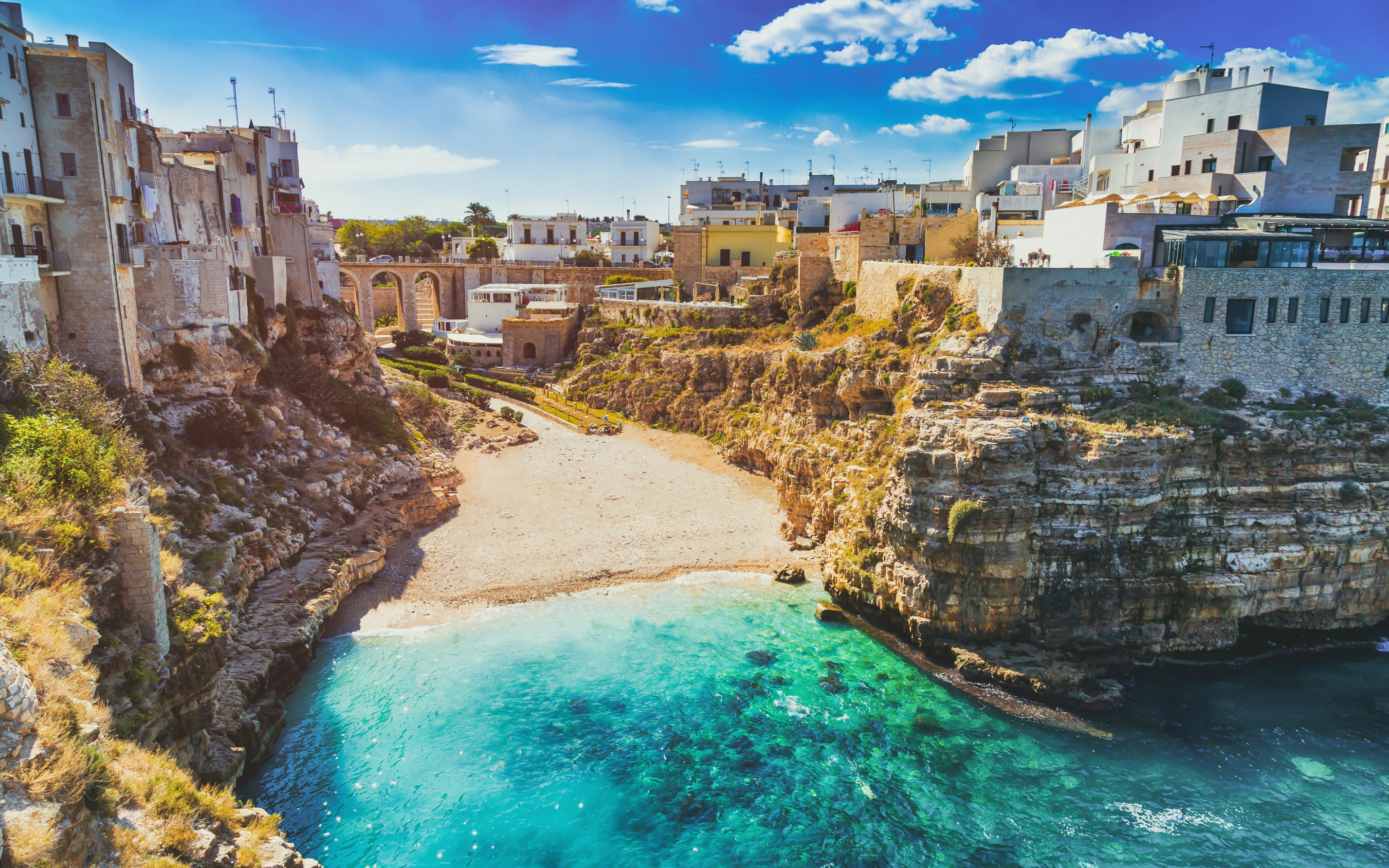
Polignano a Mare
30 km (19 miles) from Alberobello • Half-day to full-day
A picturesque coastal town known for its beautiful beaches, cliffs, and historic center.
Matera
60 km (37 miles) from Alberobello • Full-day
A historic town known for its unique Sassi district, a UNESCO World Heritage Site.
Ostuni
50 km (31 miles) from Alberobello • Half-day to full-day
A whitewashed hilltop town known for its beautiful architecture and historic center.
Festivals
Festa di San Rocco • August 16th
Sagra del Fungo Porcino • October
Fiera del Levante • September
Pro tips
- Visit the trulli houses early in the morning or late in the afternoon to avoid crowds and enjoy the best lighting for photos.
- Try local specialties like orecchiette, burrata, and Primitivo wine for an authentic taste of Apulian cuisine.
- Explore the countryside by renting a car or joining a guided tour to discover the beautiful olive groves and vineyards.
- Stay in a trullo house for a unique and authentic experience of Apulian culture and architecture.
- Visit the local markets for fresh produce, handmade crafts, and souvenirs.
Get Price
per person
Price varies by option
Secure booking
Free cancellation available