DC in Spring: Cherry Blossom & Tidal Basin Memorials Walking Tour
Active
1h
For a full refund, cancel at least 24 hours before the scheduled departure time.
Instant confirmation
Mobile or paper ticket accepted
About this experience
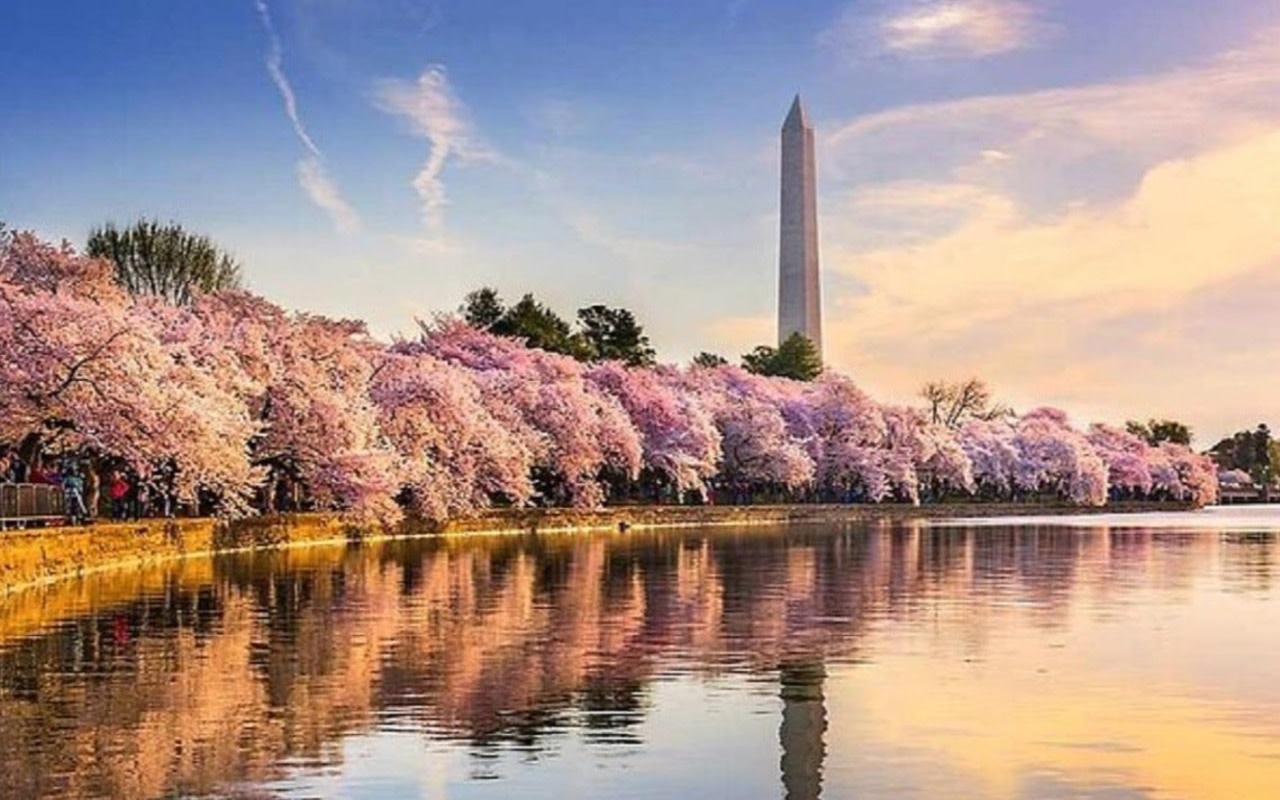
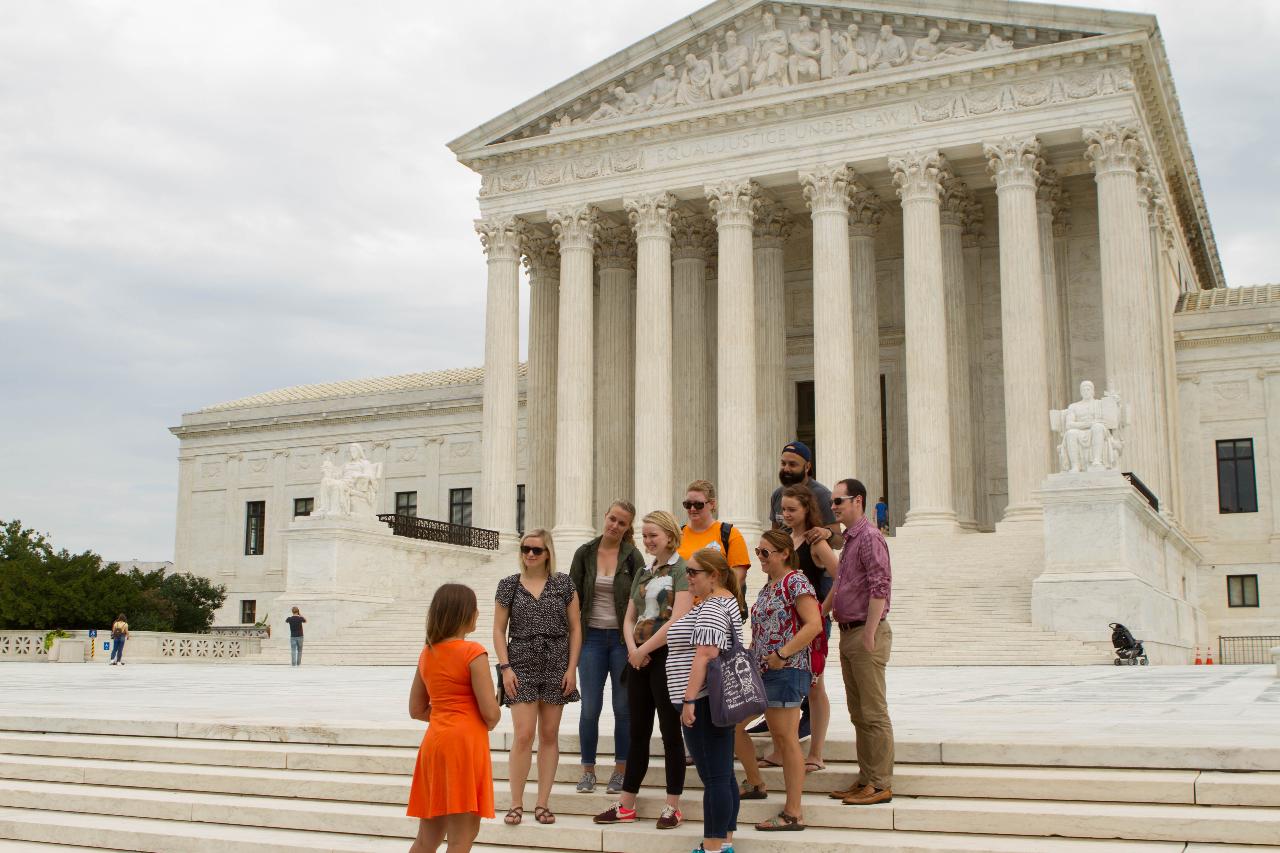
This guided walking tour explores Washington, DC’s cherry blossom history while visiting some of the most meaningful memorials along the Tidal Basin. We begin at the DC War Memorial, a quiet tribute to District residents who served in WWI, before reaching the shoreline of the Tidal Basin, where the story of the cherry trees comes into focus. Guides explain the 1912 gift of cherry trees from Japan, their symbolism of friendship, and how the Basin became the heart of springtime celebrations. Stops include the historic Japanese Lantern, ceremonially lit each year during the Cherry Blossom Festival, followed by the Martin Luther King Jr. Memorial and the Franklin Delano Roosevelt Memorial, where themes of renewal, justice, and leadership unfold beneath blooming trees. The walk continues to the peaceful George Mason Memorial and concludes at the iconic Thomas Jefferson Memorial, framed by blossoms and reflections across the water, bringing together nature, history, and American ideals.
Available options
DC in Spring: Cherry Blossom & Tidal Basin Memorials Walking Tour
What's included
Professional Local Tour Guide
2 Hour Walking Tour of the Tidal Basin
Entrance to 5 Memorials including DC War, MLK, FDR, George Mason and Jefferson Memorials.
Detailed itinerary
1
The DC War Memorial, located just off Independence Avenue near the National Mall, honors residents of the District of Columbia who served in World War I. Dedicated in 1931, it is unique among memorials in Washington because it commemorates local service rather than a national military force. Designed in a neoclassical style with a circular colonnade, the memorial was intentionally placed in a quiet, reflective setting overlooking the Tidal Basin. It stands as a reminder of the District’s long history of civic contribution, even before DC residents had full voting representation at the federal level.
2
Stop 2
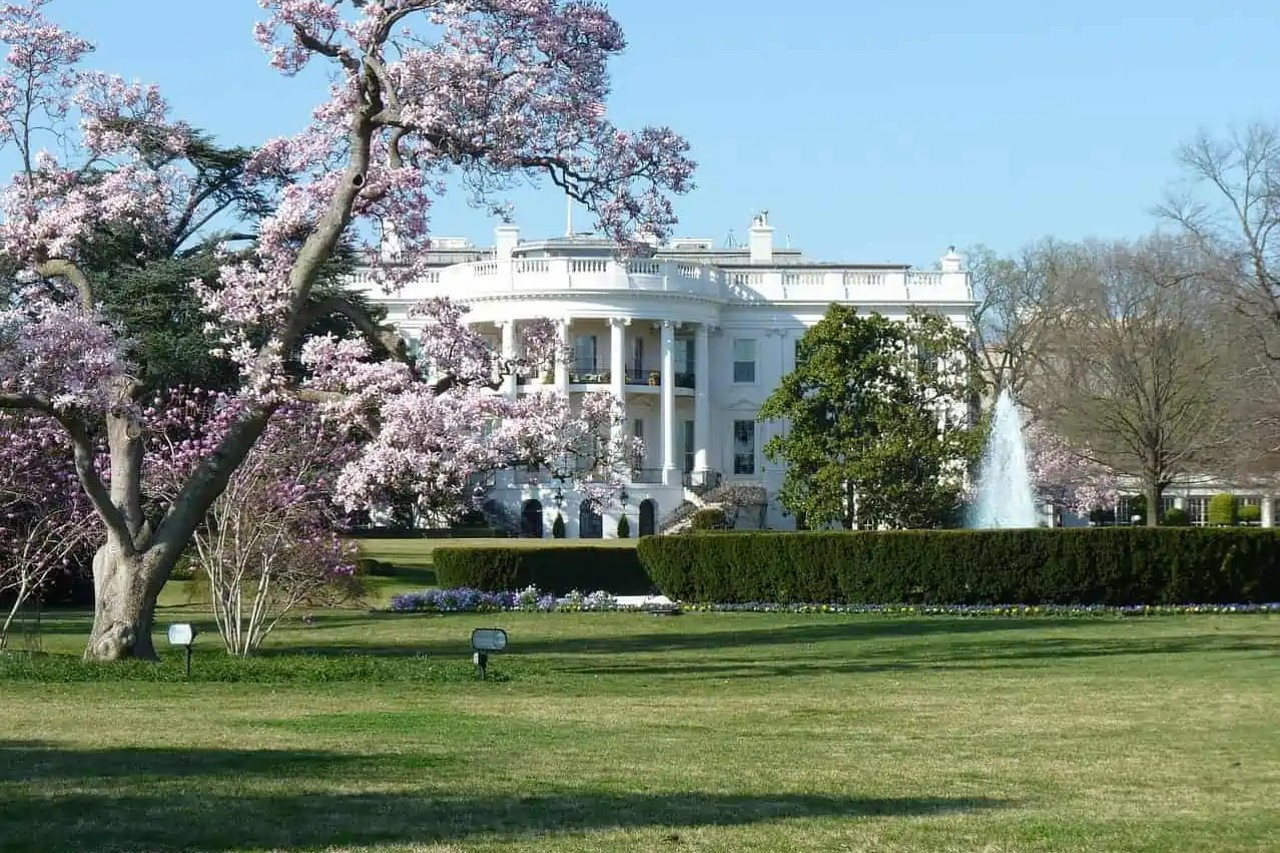
The Tidal Basin is a man-made inlet between the Potomac River and the Washington Channel, created in the late 19th century to help regulate flooding and improve water quality along the National Mall. Today, it is best known as the setting for Washington, DC’s famous cherry blossoms. More than 3,000 cherry trees line the Basin’s shoreline, most of them a 1912 gift from Japan symbolizing friendship between the two nations. Each spring, the blooming trees transform the area into one of the city’s most iconic landscapes, framing memorials and reflecting across the water during peak blossom season.
3
The Japanese Lantern, also known as the Tōrō, stands along the Tidal Basin as a symbol of friendship between Japan and the United States. Carved from stone in the 17th century and presented to the United States by the Japanese government in 1954, the lantern commemorates the historic relationship that also led to the 1912 gift of cherry trees. Each year, the lantern is ceremonially lit during the National Cherry Blossom Festival, linking it directly to the blossoms and serving as a lasting reminder of the cultural exchange and goodwill that the blooming trees represent.
4
Stop 4
The Martin Luther King Jr. Memorial, located along the Tidal Basin, honors Dr. King’s leadership in the American civil rights movement and his commitment to nonviolence and social justice. Dedicated in 2011, the memorial features a 30-foot granite statue known as the Stone of Hope, emerging from the Mountain of Despair, inspired by Dr. King’s “I Have a Dream” speech. Surrounding inscriptions display excerpts from his speeches and writings, encouraging reflection on equality, dignity, and the ongoing pursuit of justice in American democracy.
5
Stop 5
The Franklin Delano Roosevelt Memorial stretches along the Tidal Basin and commemorates the four terms of President Franklin D. Roosevelt during the Great Depression and World War II. Dedicated in 1997, the memorial is organized into a series of outdoor “rooms,” each representing one of Roosevelt’s terms in office, with sculpture, quotations, and cascading water features that reflect the challenges and changes of the era. The memorial also includes a statue of Eleanor Roosevelt, recognizing her influential role and the expansion of social responsibility during FDR’s presidency.
6
The George Mason Memorial honors George Mason, a key Founding Father and the author of the Virginia Declaration of Rights. Located along the quieter edge of the Tidal Basin, the memorial highlights Mason’s influence on the Bill of Rights and his belief that individual liberties should be explicitly protected. In the spring, blooming cherry trees and flowering landscapes surround the site, making it one of the most peaceful and visually striking spots in the area and an ideal place to reflect on Mason’s lasting impact on American democracy.
7
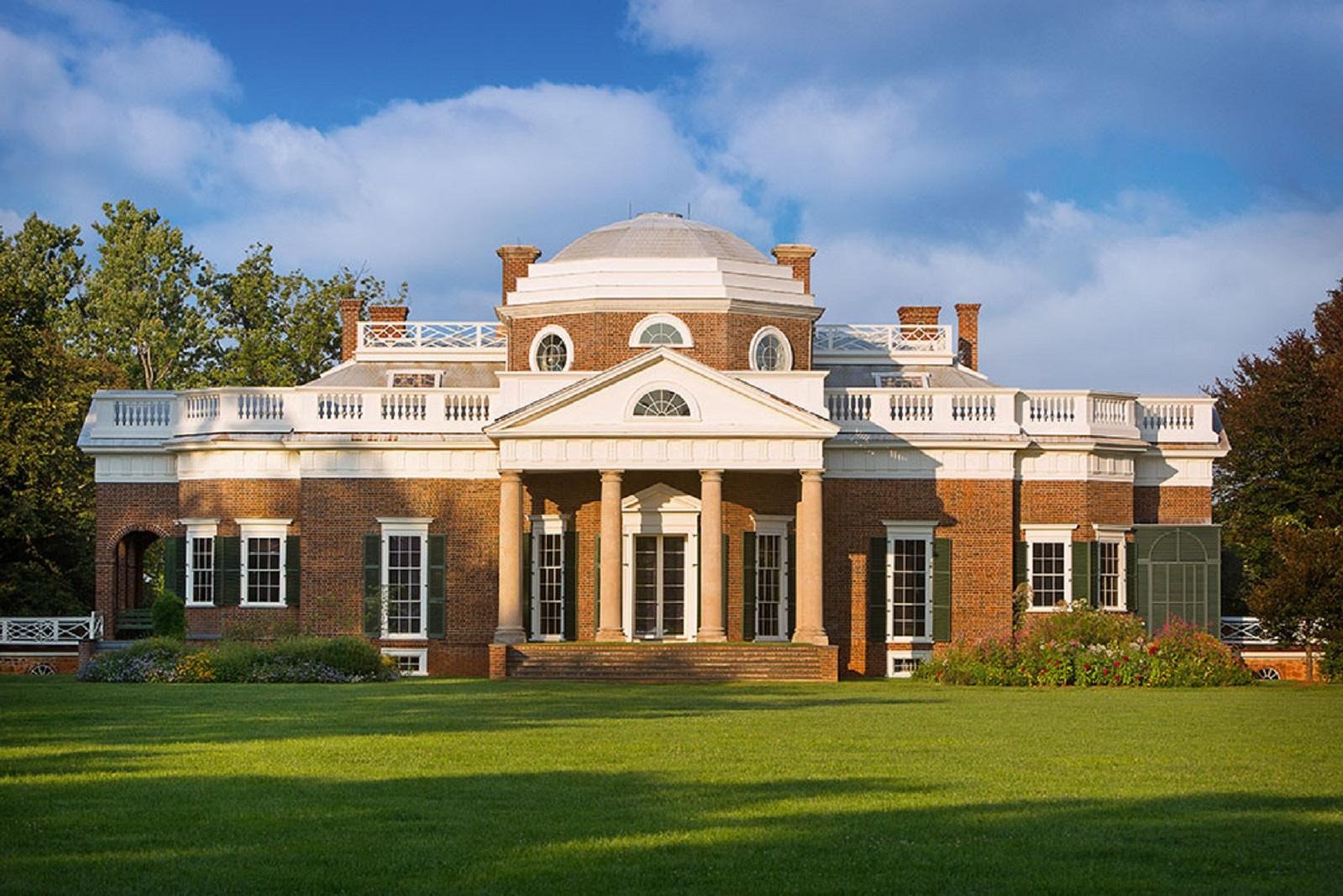
The Thomas Jefferson Memorial stands at the eastern edge of the Tidal Basin and honors Thomas Jefferson, principal author of the Declaration of Independence and third president of the United States. Inspired by classical Roman architecture, the memorial reflects Jefferson’s admiration for Enlightenment ideals and ancient republics. In the spring, cherry blossoms frame the domed structure and reflect across the water, creating one of Washington’s most iconic seasonal views and a powerful setting to consider Jefferson’s ideas about liberty, democracy, and the complexities of his legacy.
What's not included
Gratuities
Available languages
Guide guide
EN
Reviews breakdown
Viator
5.0
1 reviews
5★
1
4★
0
3★
0
2★
0
1★
0
Tripadvisor
5.0
3 reviews
5★
3
4★
0
3★
0
2★
0
1★
0
Important information
Wheelchair accessible
Infants and small children can ride in a pram or stroller
Service animals allowed
Public transportation options are available nearby
Transportation options are wheelchair accessible
All areas and surfaces are wheelchair accessible
Suitable for all physical fitness levels
Meeting point
Tour begins at the DC War Memorial on Independence Ave SW. Please note this is NOT the National WWII Memorial or the National WWI Memorial.
About Washington, D.C.
Washington, D.C. is the capital of the United States and a vibrant city filled with iconic landmarks, world-class museums, and rich history. It offers a unique blend of political significance, cultural diversity, and architectural beauty, making it a must-visit destination for travelers from around the world.
Top Attractions
National Mall
The National Mall is a large, open park in downtown Washington, D.C., featuring numerous iconic landmarks, monuments, and museums. It is a must-visit destination for anyone traveling to the city.
Historical/Park
Half day to full day
Free
Smithsonian National Museum of Natural History
This museum is part of the Smithsonian Institution and features a vast collection of natural history specimens and exhibits, including dinosaurs, gems, and cultural artifacts.
Museum
2-3 hours
Free
United States Capitol
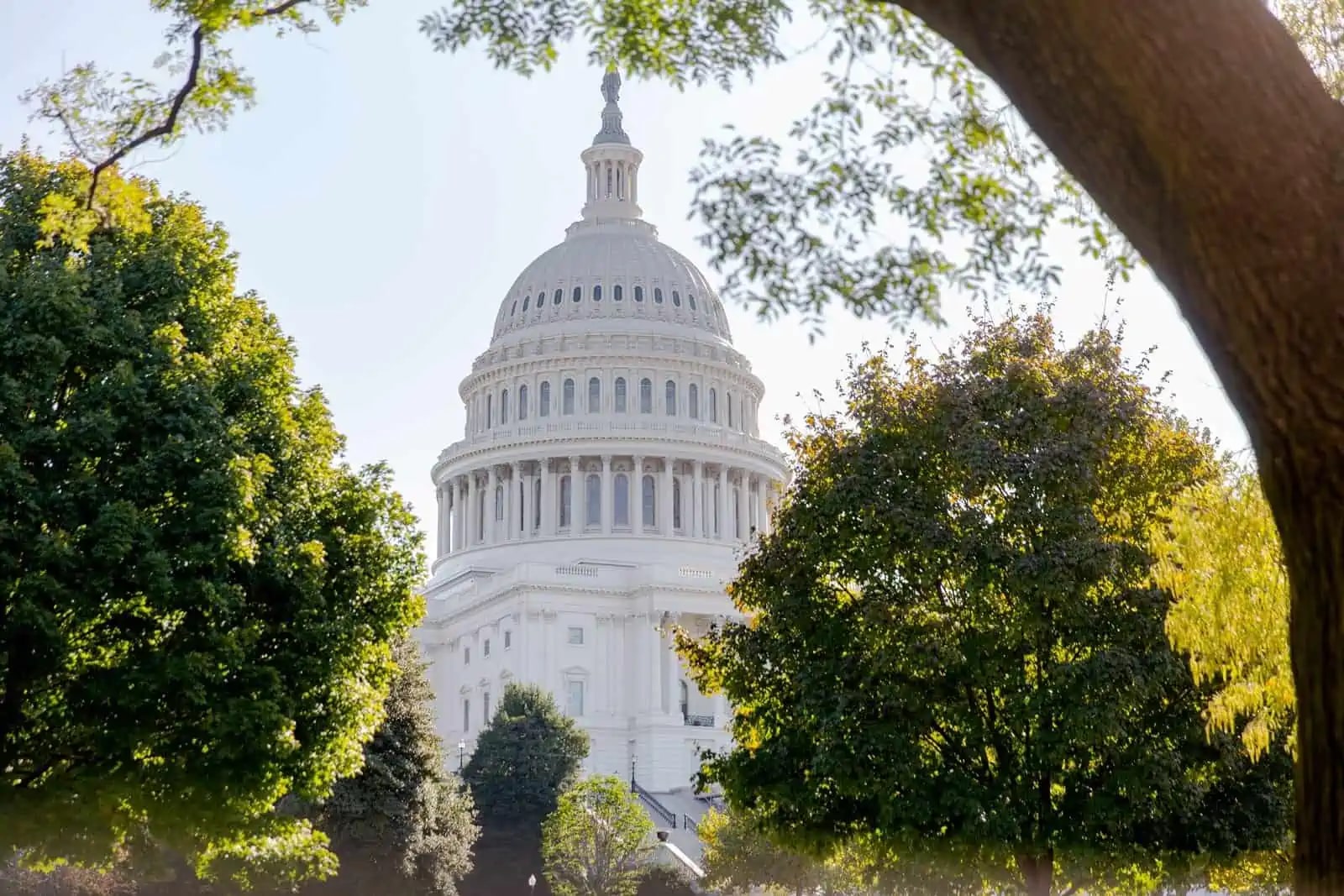
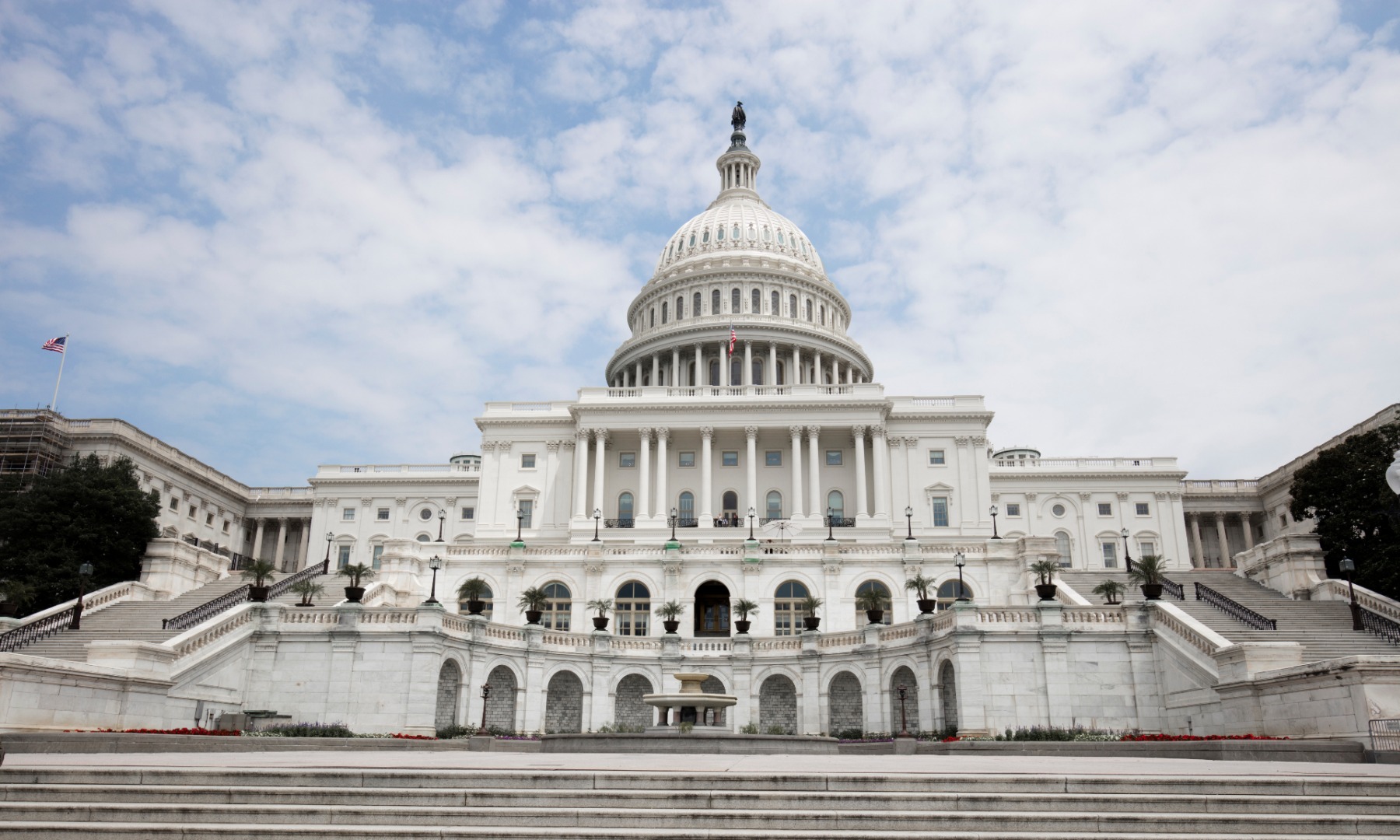
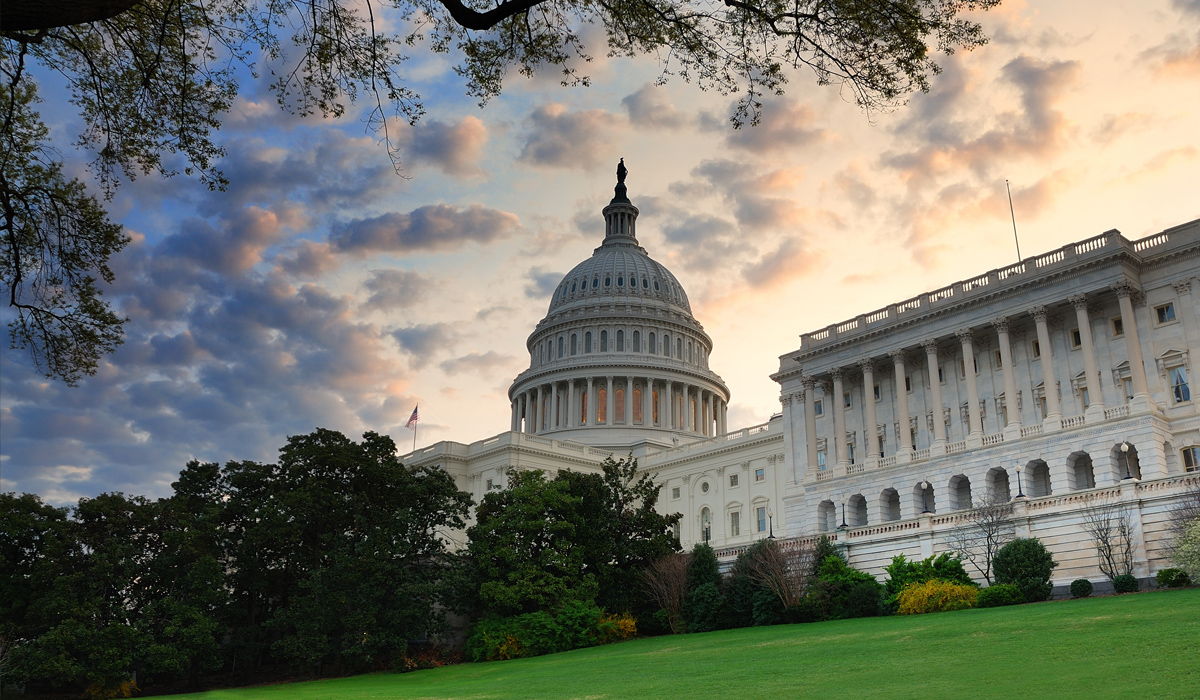
The United States Capitol is the meeting place of the United States Congress and a symbol of the American democratic government. Visitors can take guided tours of the Capitol building and its grounds.
Historical/Government
1-2 hours
Free
International Spy Museum
The International Spy Museum is a unique and interactive museum dedicated to the history of espionage and the world of intelligence. It features an extensive collection of spy artifacts and exhibits.
Museum
2-3 hours
$24.95 for adults, $14.95 for children (7-12)
Georgetown
Georgetown is a historic neighborhood known for its charming streets, upscale shopping, and renowned dining scene. It is also home to the historic Georgetown University and the C&O Canal.
Historical/Shopping/Dining
Half day to full day
Varies by activity
Must-Try Local Dishes
Half-Smoke
A half-smoke is a type of sausage that is smoked and then grilled, typically served with chili, cheese, and onions. It is a D.C. classic and can be found at various local eateries, including Ben's Chili Bowl.
Lunch/Dinner
Contains pork and beef, not suitable for vegetarians or vegans
Crab Cakes
Maryland-style crab cakes are a local favorite, made with lump crab meat, breadcrumbs, and seasonings. They are typically served with a side of remoulade sauce.
Lunch/Dinner
Contains shellfish, not suitable for those with seafood allergies
Eggs Benedict
A classic American breakfast dish consisting of poached eggs, Canadian bacon, and hollandaise sauce, typically served on an English muffin. The Founding Farmers restaurant is known for its delicious eggs Benedict.
Breakfast/Brunch
Contains eggs, dairy, and meat, not suitable for vegetarians or vegans
Sweet Potato Fries
A popular side dish in D.C., sweet potato fries are often served with a variety of dipping sauces, such as aioli or ketchup. They can be found at many restaurants and food trucks throughout the city.
Snack/Side Dish
Vegetarian and vegan-friendly (ensure no butter or animal products are used in preparation)
Popular Activities
Hiking and biking in Great Falls Park
Rock climbing and rappelling in Theodore Roosevelt Island
Kayaking and paddleboarding on the Potomac River
Picnicking in the National Mall
Strolling along the Georgetown Waterfront
Visiting the United States Botanic Garden
Exploring the Smithsonian Museums
Attending a performance at the Kennedy Center
Best Time to Visit
March to May, September to November
These months offer pleasant weather and are ideal for outdoor activities and sightseeing. Spring brings blooming cherry blossoms, while fall features beautiful foliage.
10-25°C
50-77°F
Practical Information
Language
- Official: English
- Widely spoken: Spanish, French, Chinese, Amharic
- English: Widely spoken
Currency
United States Dollar (USD)
Time Zone
Eastern Time Zone (ET) (UTC-5:00, UTC-4:00 during daylight saving time)
Electricity
120VV, 60HzHz
Safety Information
Overall Safety Rating: Generally safe
Washington, D.C. is generally a safe destination for travelers, with a low crime rate and a strong police presence. However, as with any major city, it is important to be aware of your surroundings and take precautions to ensure your safety.
Important Precautions:
- • Be aware of your surroundings and keep valuables secure
- • Use licensed taxis or ride-sharing services, and always confirm the fare before starting your journey
- • Be cautious when approaching strangers or signing petitions or surveys
Getting there
By air
- Ronald Reagan Washington National Airport • 5 km from city center
- Washington Dulles International Airport • 42 km from city center
By train
Union Station
By bus
Union Station, Greyhound Bus Station
Getting around
Public transport
The Metro system is efficient and reliable, with six color-coded lines serving major attractions and neighborhoods.
Taxis
Available • Apps: Uber, Lyft
Rentals
Car, Bike, Scooter
Neighborhoods
Downtown
Adams Morgan
U Street Corridor
Capitol Hill
The Wharf
Day trips
Mount Vernon
24 km (15 miles) from Washington, D.C. • Half day to full day
Mount Vernon is the historic estate of George Washington, the first President of the United States. The site features a museum, a mansion, and beautiful gardens, offering visitors a glimpse into the life of one of America's founding fathers.
Old Town Alexandria
10 km (6 miles) from Washington, D.C. • Half day to full day
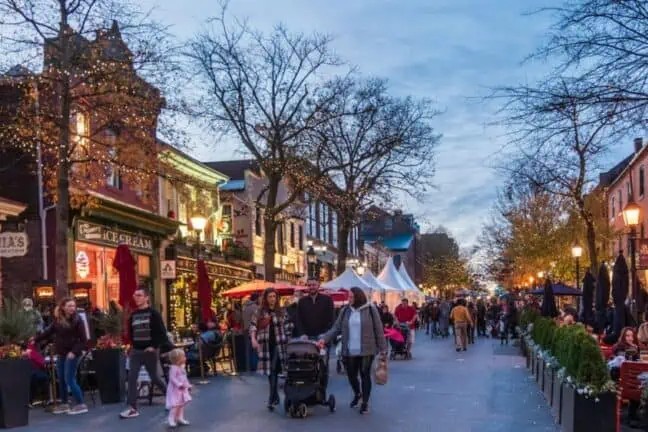
Old Town Alexandria is a charming historic district featuring cobblestone streets, colonial-era architecture, and a variety of shops, restaurants, and museums. It is a popular destination for shoppers, foodies, and history enthusiasts alike.
Great Falls Park
24 km (15 miles) from Washington, D.C. • Half day to full day
Great Falls Park is a scenic park featuring breathtaking waterfalls, hiking trails, and stunning views of the Potomac River. It is a popular destination for outdoor enthusiasts, offering a variety of activities such as hiking, biking, and rock climbing.
Festivals
National Cherry Blossom Festival • Late March to early April
Independence Day Celebration • July 4
Washington, D.C. Jazz Festival • Late June
Pro tips
- Visit popular attractions, such as the National Mall and Smithsonian museums, early in the morning or late in the afternoon to avoid crowds and heat
- Use public transportation, walking, or biking to get around the city, as traffic and parking can be challenging
- Purchase a multi-day pass for public transportation, such as the Metro or bus, to save money and time
- Book accommodations in advance, especially during peak travel seasons, such as spring (cherry blossom season) and summer (Independence Day)
- Research and compare prices for activities and attractions, and consider purchasing tickets in advance to save time and money
Get Price
per person
Price varies by option
Secure booking
Free cancellation available
Instant confirmation