Explore the El Raval Live Show in Old Barcelona and Flamenco
Active
4h
For a full refund, cancel at least 24 hours before the scheduled departure time.
Instant confirmation
Mobile or paper ticket accepted
About this experience
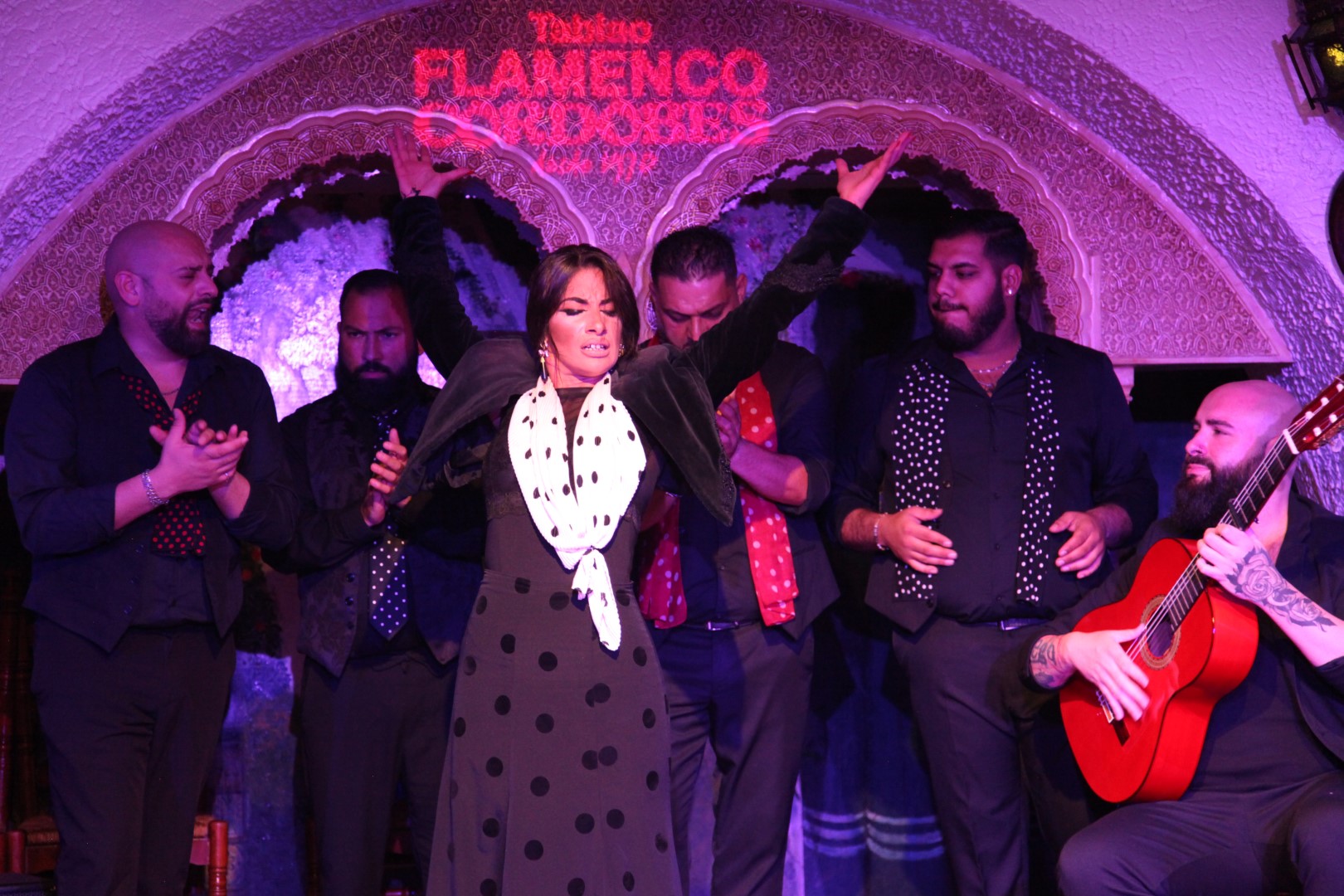
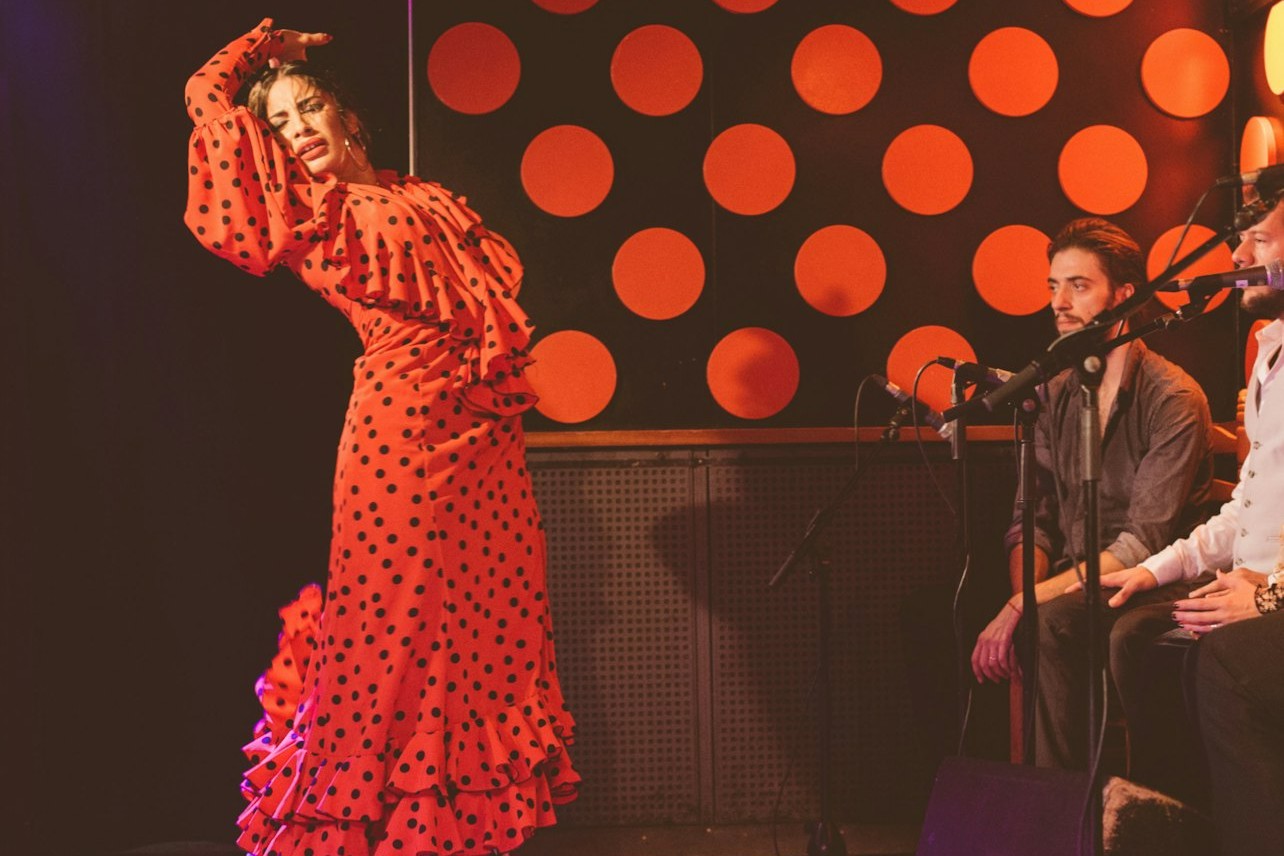
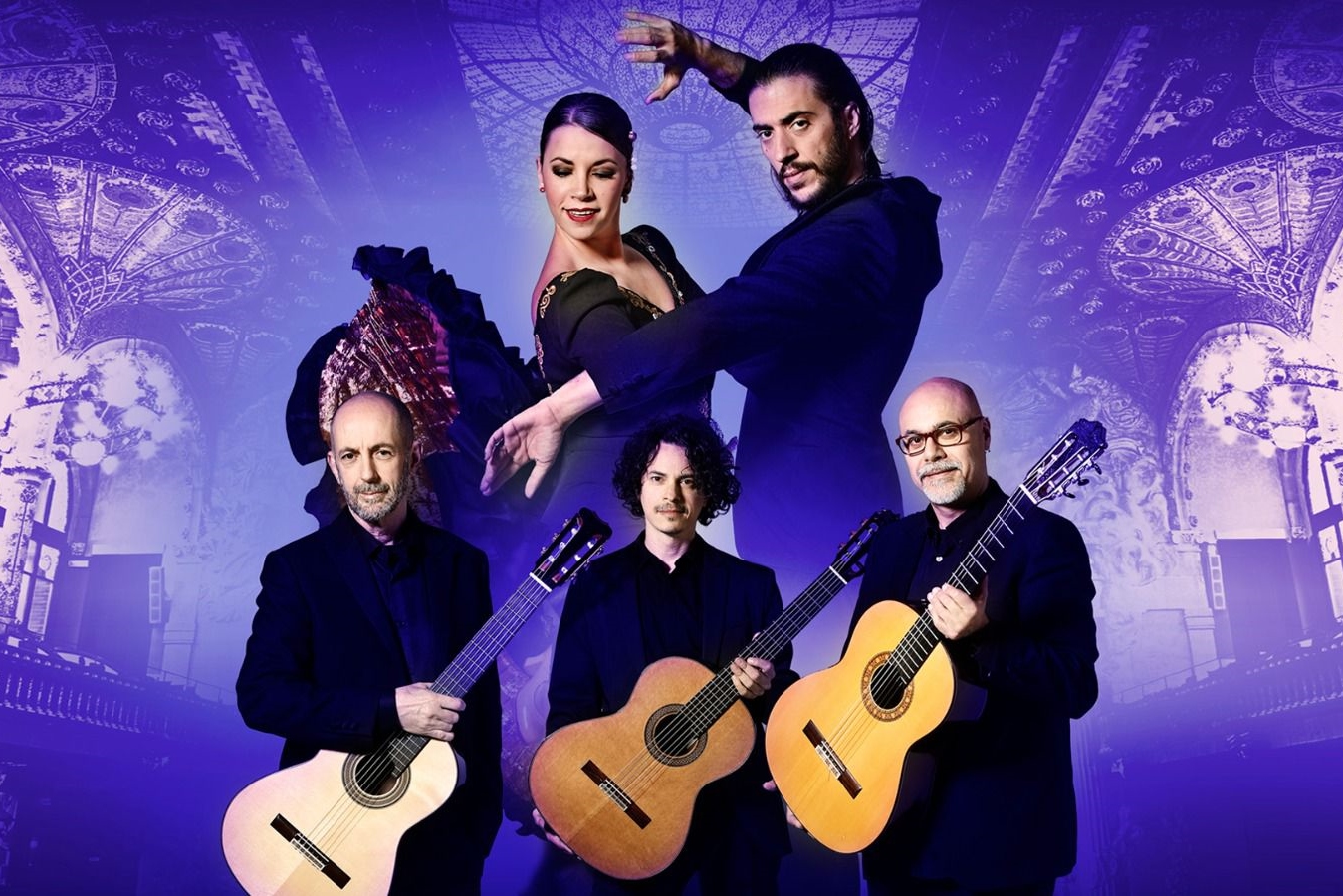
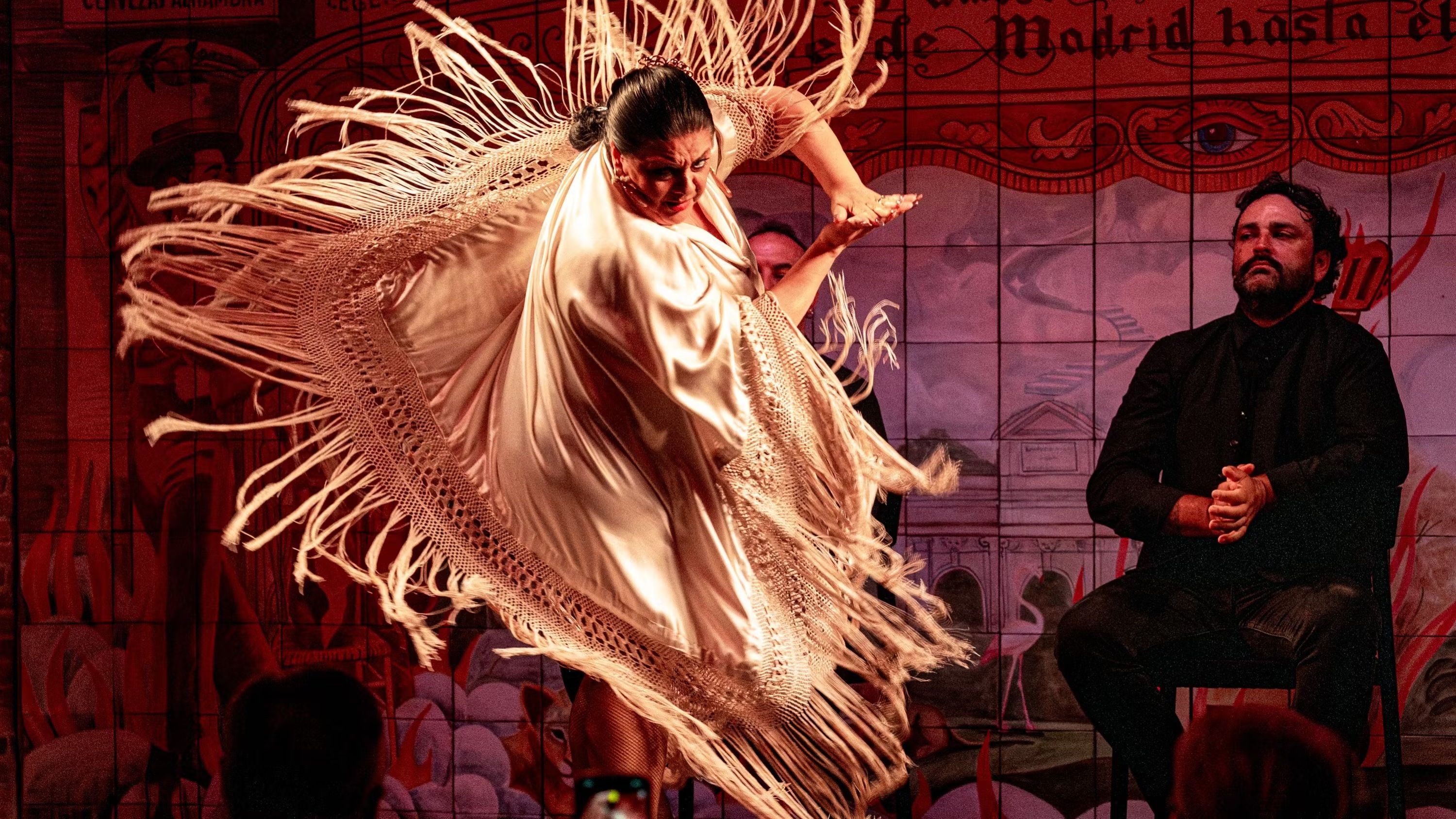
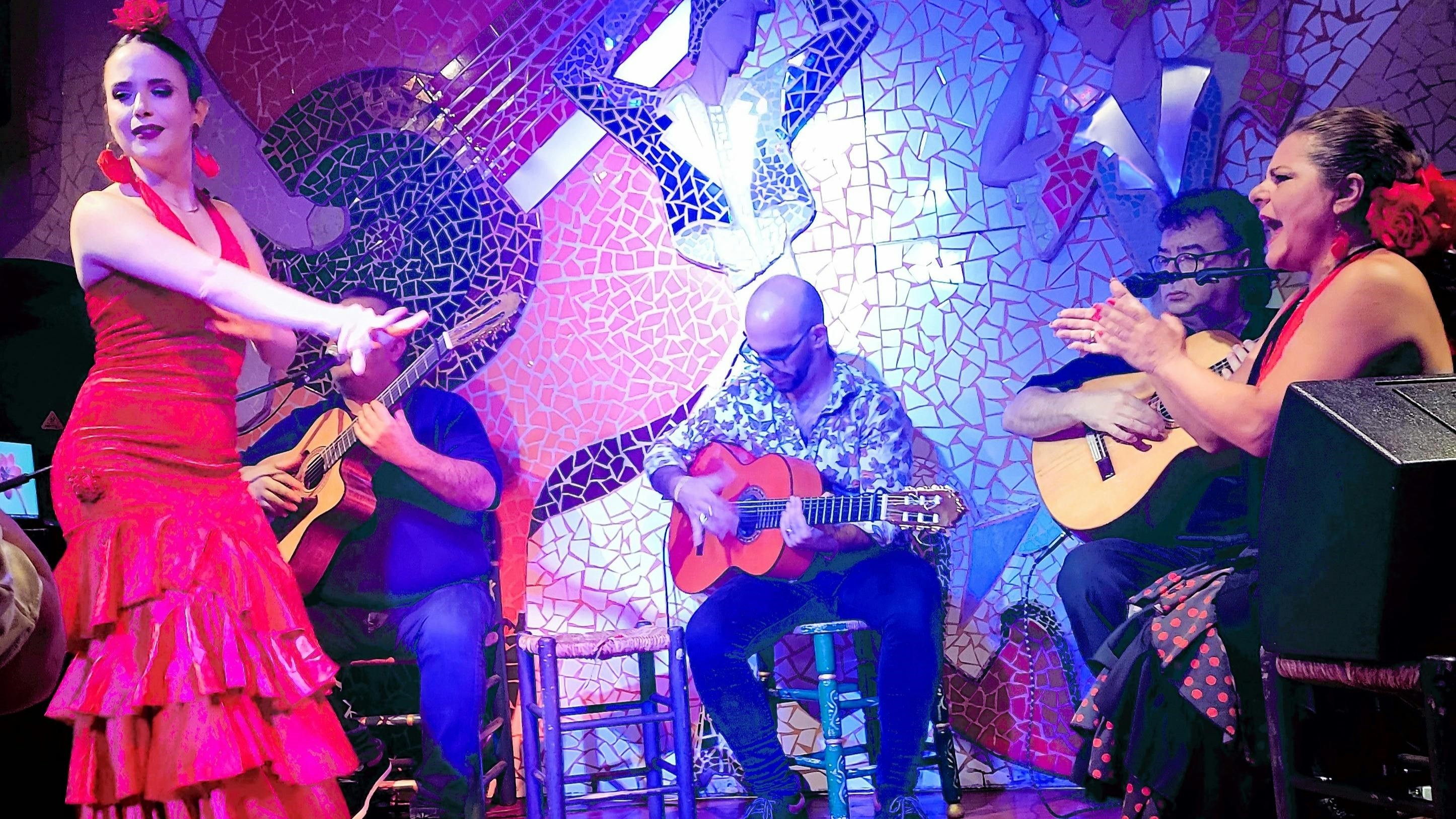
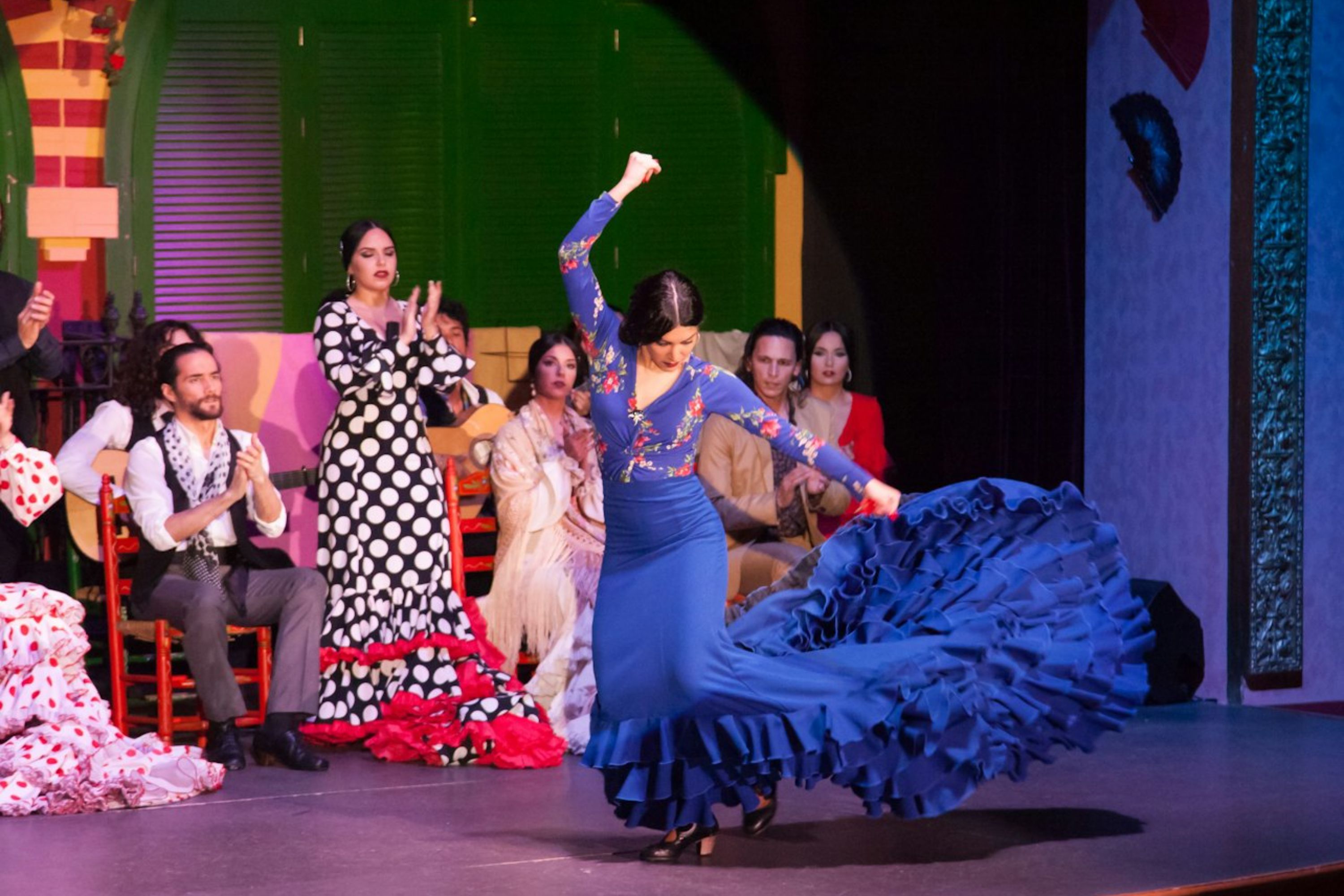
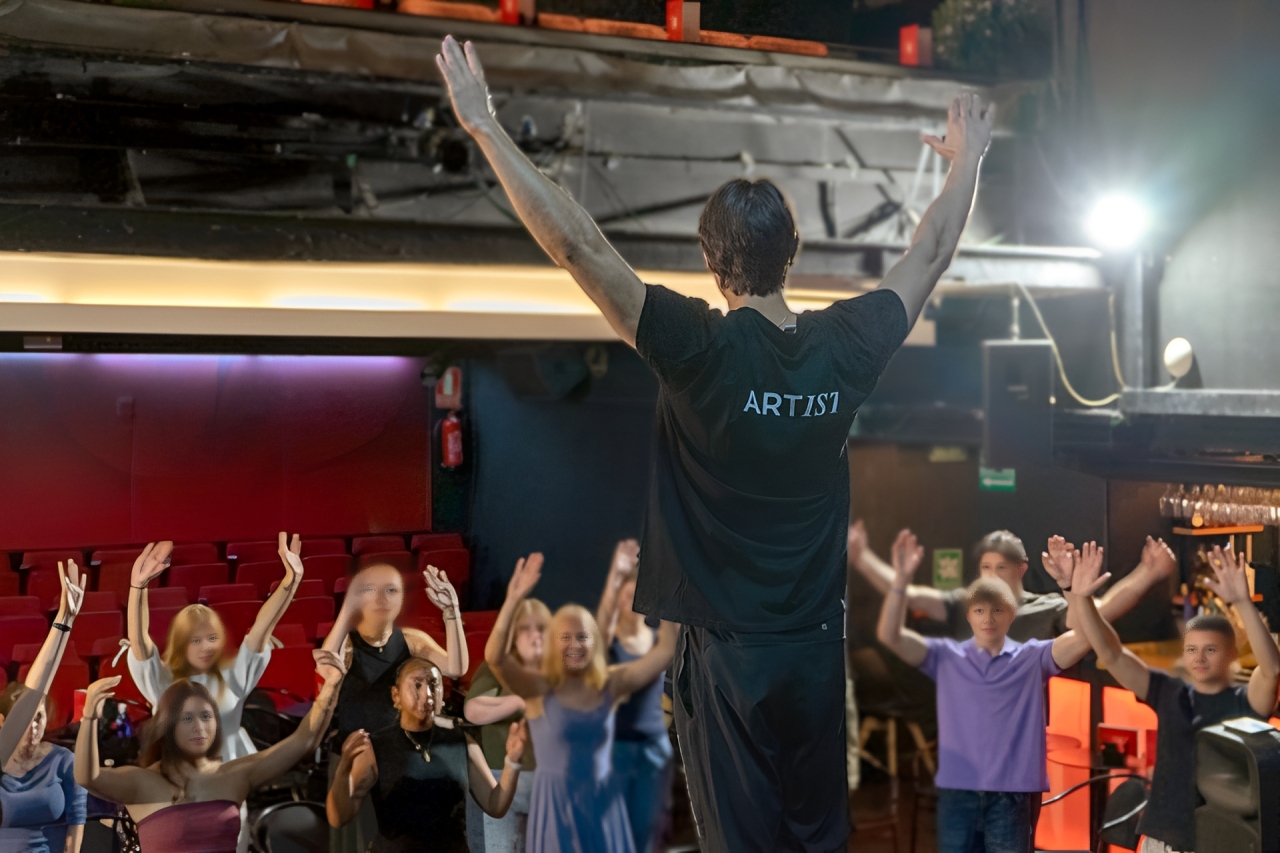
Discover the vibrant soul of Barcelona on this walking tour that takes you through the colorful streets of El Raval, the historic Gothic Quarter, and the charming El Born district. Delve into the city's artistic evolution while your artist-guide shares captivating stories and sketches along the way. The tour culminates in the stunning Palau Dalmases, where you can unwind with an intimate flamenco performance, featuring passionate dancers and live guitar music.
- Explore the artistic neighborhood of El Raval filled with urban art
- Wander through the historic alleys and squares of the Gothic Quarter
- Discover the charm of El Born with its artisan workshops and lively bars
- Enjoy an intimate flamenco show in a beautiful Baroque palace setting
Available options
Explore the El Raval Live Show in Old Barcelona and Flamenco
What's included
Flamenco show
Detailed itinerary
1
Teatre Goya is a historic theatre in the heart of El Raval, known for its blend of classic architecture and modern design. Named after the painter Goya, it hosts contemporary plays and live performances. This stop highlights the artistic spirit of the neighbourhood, where culture, creativity, and street life come together.
2
Carrer de Joaquín Costa is one of El Raval’s liveliest streets, known for its mix of bars, cafés, vintage shops, and street art. It captures the neighbourhood’s young, creative energy, with locals and visitors moving through its narrow, colourful blocks. This stop gives guests a feel for the authentic daily life and vibrant character of El Raval.
3
The Barcelona Museum of Contemporary Art, or MACBA, is a striking modern landmark in El Raval with its bright white façade and clean geometric lines. Designed by Richard Meier, it showcases cutting-edge contemporary art and has become a cultural icon of the neighbourhood. The open square outside is a popular gathering place, especially for skaters, adding energy and movement to the museum’s modern setting.
4
The Fundació Privada Casa de Misericòrdia de Barcelona is a quiet historic complex dating back to the 16th century, originally built as a place of refuge and social care. Its peaceful courtyards, stone walls, and traditional architecture offer a sharp contrast to the lively streets of El Raval. This stop shows guests a more intimate side of the neighbourhood, where centuries of charity work and community history are still preserved.
5
The Old Hospital de la Santa Creu is a stunning Gothic complex from the 15th century and one of Barcelona’s most important historic buildings. Its peaceful courtyards, arches, and stone cloisters show the city’s medieval medical past. Today it houses cultural institutions like the Library of Catalonia, offering a calm, beautiful contrast to the lively streets around it.
6
The Gran Teatre del Liceu is Barcelona’s most famous opera house, a 19th-century landmark known for its elegant façade and grand interior. Despite surviving fires and political turmoil, it remains a symbol of the city’s cultural pride. This stop highlights the glamour and history of La Rambla, where music, art, and Barcelona’s social life have come together for generations.
7
La Rambla is Barcelona’s most famous boulevard, a lively tree-lined avenue filled with cafés, flower stands, street performers, and historic buildings. It’s the city’s iconic pedestrian axis, always buzzing with energy and movement. This stop lets guests feel the heartbeat of Barcelona, where locals and visitors have strolled, traded, and celebrated for centuries.
8
Stop 8
Pass by
The Basílica de Santa Maria del Pi is a beautiful 14th-century Gothic church known for its tall bell tower and impressive rose window. Tucked between the narrow streets of the Gothic Quarter, it offers a calm, atmospheric pause in the middle of the old city. This stop gives guests a look at medieval Barcelona’s religious life and timeless architecture.
9
Stop 9
Pass by
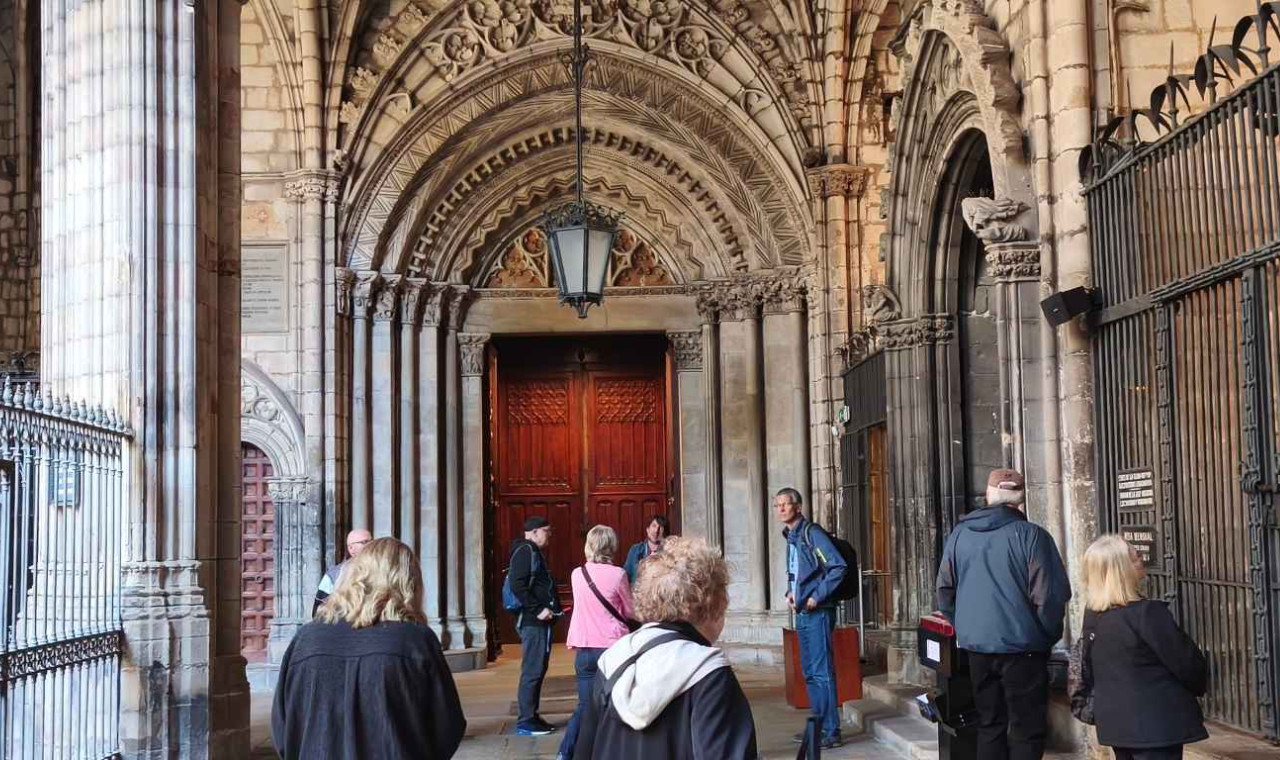
Barcelona Cathedral, also known as the Cathedral of the Holy Cross and Saint Eulalia, is a masterpiece of Catalan Gothic architecture. Its soaring façade, carved details, and peaceful cloister with palm trees and geese make it one of the city’s most striking landmarks. This stop offers guests a glimpse into medieval Barcelona’s spiritual heart and its centuries-old traditions.
10
Stop 10
Pass by
Plaça de Sant Felip Neri is one of the Gothic Quarter’s most peaceful and haunting squares. The quiet Baroque church and old fountain sit beside walls marked by bomb damage from the Spanish Civil War. This stop gives guests a rare moment of calm while revealing one of Barcelona’s most emotional and historically powerful corners.
11
The Temple of Augustus hides in a narrow Gothic Quarter courtyard, where four towering Roman columns stand preserved from the 1st century BC. It’s one of Barcelona’s oldest remains, showing the city’s Roman origins. This stop lets guests step back two thousand years to the ancient colony of Barcino.
12
Bishop’s Bridge, or Pont del Bisbe, is one of the Gothic Quarter’s most iconic sights. Built in 1928 in a neo-Gothic style, it arches elegantly over Carrer del Bisbe and looks centuries older than it is. This stop highlights the romantic, storybook atmosphere of the old city, with its carved stone details and narrow medieval streets.
13
Santa Maria del Mar, known as the Cathedral of the Sea, is a pure example of Catalan Gothic architecture. Built by the sailors and merchants of the Ribera district in the 14th century, its interior is tall, spacious, and filled with light. This stop shows the pride and devotion of the medieval port community that shaped Barcelona.
14
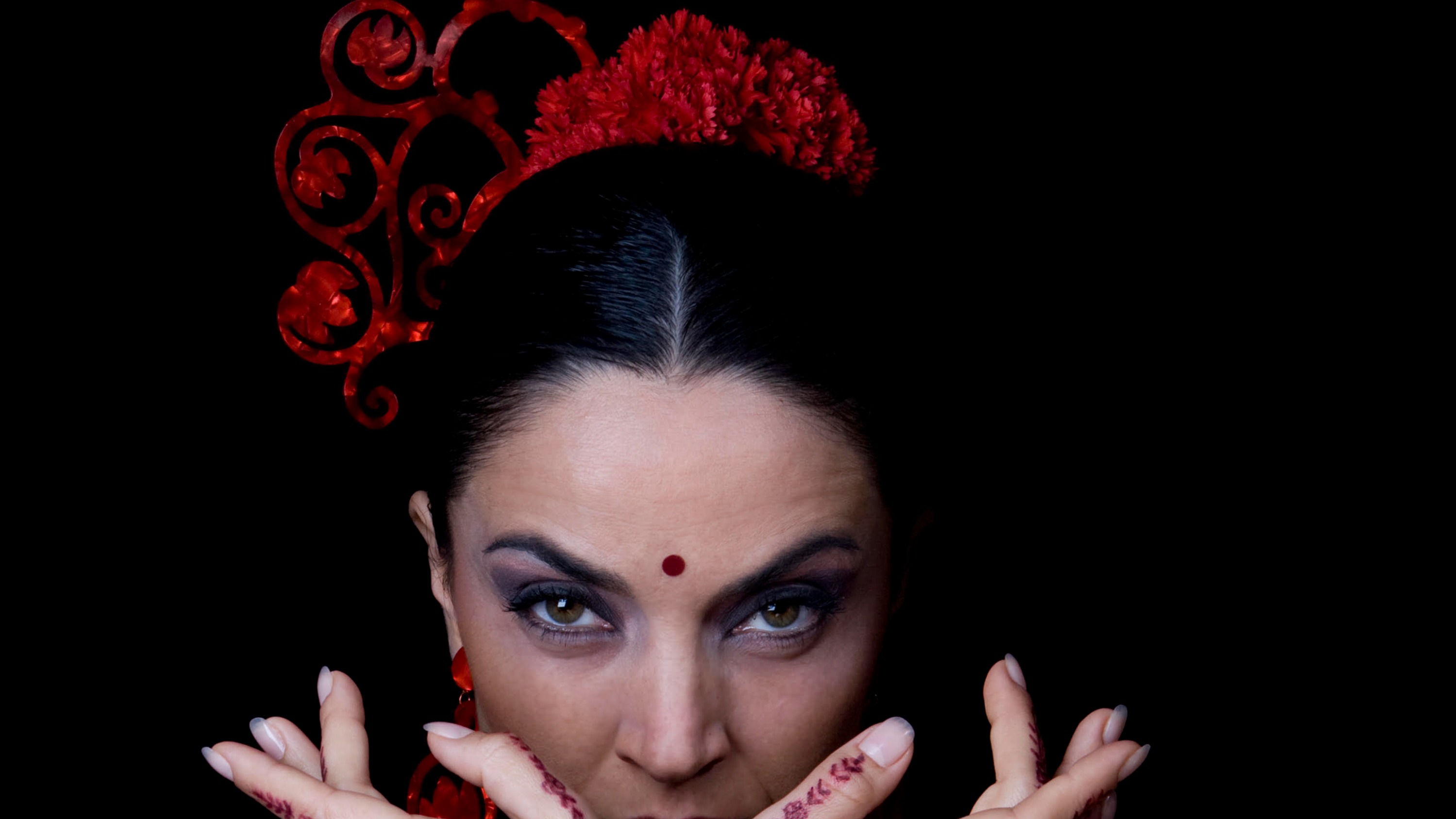
Enjoy an authentic Flamenco Show at this 17th century Place
What's not included
One drink included at the show
Available languages
Guide guide
DE
EN
IT
FR
ES
Important information
Service animals allowed
Public transportation options are available nearby
Suitable for all physical fitness levels
Meeting point
You'll meet your guide by the metro station right in centre of Plaza Universitat with the blue umbrella
About Barcelona
Barcelona is a vibrant city on the northeastern coast of Spain, known for its rich cultural heritage, stunning architecture, and lively atmosphere. It seamlessly blends medieval history with modernist masterpieces, making it a unique and appealing destination for travelers.
Top Attractions
Sagrada Família
Antoni Gaudí's unfinished masterpiece, a stunning basilica that combines Gothic and Art Nouveau forms. It's a UNESCO World Heritage Site and a must-visit.
Architecture
1.5-2.5 hours
€26-€34 (depending on access to towers)
Park Güell
Another Gaudí masterpiece, this park features colorful mosaics, whimsical structures, and beautiful city views.
Architecture
1.5-2 hours
€10 (Monumental Zone)
La Rambla
A famous pedestrian street filled with shops, restaurants, street performers, and the famous La Boqueria market.
Street
1-2 hours
Free (shopping and dining costs vary)
Casa Batlló
A unique building designed by Gaudí, known for its surrealist design and colorful façade.
Architecture
1 hour
€35-€45 (depending on the tour)
Gothic Quarter
The historic heart of Barcelona, filled with medieval streets, ancient buildings, and hidden plazas.
Historical
2-3 hours
Free (some attractions may have entry fees)
Must-Try Local Dishes
Pa amb tomàquet
Bread rubbed with tomato, garlic, and olive oil, often served as an appetizer.
Snack
Vegetarian
Fideuà
A paella-like dish made with short, thin noodles, seafood, and saffron.
Main Course
Contains seafood
Crema Catalana
A Catalan version of crème brûlée, made with egg yolks, sugar, and cinnamon.
Dessert
Vegetarian
Patatas Bravas
Fried potato cubes topped with a spicy tomato sauce and garlic aioli.
Snack
Vegetarian
Popular Activities
Hiking in Montserrat
Water sports in Barceloneta
Rock climbing
Beach lounging in Barceloneta
Spa treatments
Strolling through parks and gardens
Visiting museums and galleries
Attending festivals and events
Best Time to Visit
May to June, September to October
The peak season offers pleasant weather and is ideal for exploring the city's attractions. The crowds are manageable, and the city is vibrant with festivals and events.
20°C to 28°C
68°F to 82°F
Practical Information
Language
- Official: Catalan, Spanish
- Widely spoken: English, French
- English: Moderately spoken
Currency
Euro (EUR)
Time Zone
GMT+1 (CET), GMT+2 (CEST during daylight saving time)
Electricity
230VV, 50HzHz
Safety Information
Overall Safety Rating: Generally safe
Barcelona is generally safe, but like any major city, it has its share of petty crime and scams. Be aware of your surroundings, especially in touristy areas and on public transportation.
Important Precautions:
- • Be cautious of pickpockets, especially in crowded areas and on public transportation.
- • Keep an eye on your belongings, especially in touristy areas and on public transportation.
- • Be cautious of fake petitions or distractions to steal from you.
Getting there
By air
- Barcelona-El Prat Airport • 12 km from city center
By train
Sants Station, Estació de França
By bus
Estació d'Autobusos Sants, Estació d'Autobusos Nord
Getting around
Public transport
The metro system is efficient, clean, and covers most of the city. It's a great way to get around quickly and affordably.
Taxis
Available • Apps: Free Now, Cabify
Rentals
Car, Bike, Scooter
Neighborhoods
Eixample
Gràcia
Barceloneta
Gothic Quarter
El Raval
Day trips
Montserrat
50 km from Barcelona • Half day to full day
A stunning mountain range with a historic monastery, offering hiking, scenic views, and religious sites.
Girona
100 km from Barcelona • Full day
A charming medieval city with a well-preserved Jewish Quarter, a stunning cathedral, and a rich history.
Sitges
40 km from Barcelona • Half day to full day
A picturesque coastal town known for its beaches, nightlife, and historic sites.
Festivals
La Mercè Festival • Late September
Sant Jordi • April 23
Festa Major de Gràcia • Mid-August
Pro tips
- Visit popular attractions like the Sagrada Família and Park Güell early in the morning or late in the afternoon to avoid crowds.
- Explore the city's neighborhoods on foot or by bike to discover hidden gems and local culture.
- Try local specialties like pa amb tomàquet, fideuà, and crema catalana at local markets and restaurants.
- Use the T-Casual pass for unlimited travel on public transportation, which is more cost-effective than single tickets.
- Be cautious of pickpockets, especially in crowded areas and on public transportation, and keep an eye on your belongings.
From $25
per person
Price varies by option
Secure booking
Free cancellation available
Instant confirmation