




Slanic Salt Mine Tour with Optional Extensions – Private Trip
Active
6h - 10h
For a full refund, cancel at least 24 hours before the scheduled departure time.
Instant confirmation
Mobile or paper ticket accepted
About this experience
Known as the largest salt mine in Europe, Slanic Prahova is an old salt mine closed for extraction purposes, but is open for visitors, featuring a microclimate with natural air-conditioning and constant temperature and atmospheric pressure throughout the year. Many of the visitors come for its supposed healing effects due to the purity of the air. Throughout the mine you will find various types of equipment for recreational activity such as playground equipment and some ping-pong tables.
Optional visits according to your selection:
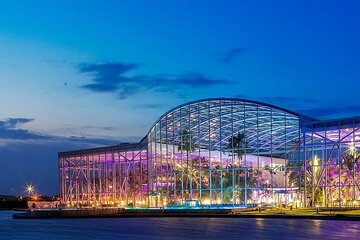
Therme Spa Bucharest: One of Europe’s largest wellness centers, with thermal pools, saunas, steam rooms, and slides – perfect for relaxation and fun for all ages.
Snagov Monastery: A 15th-century island monastery with Byzantine-Romanian architecture, linked to Vlad Țepeș and said to hold his tombstone.
National Village Museum “Dimitrie Gusti”: Open-air museum showcasing 300+ traditional houses, churches, and crafts from across Romania.
Available options
Salt Mine + Therme Spa 3h
Slanic Salt Mine + Therme Spa <br/>Pickup included
Salt Mine + Snagov Monastery
Salt Mine + Snagov Monastery<br/>Pickup included
Salt Mine Tour
Slanic Salt Mine Tour<br/>Pickup included
Salt Mine + Village Museum
Salt Mine + Village Museum<br/>Pickup included
What's included
Private tour led by a local guide
Hotel pick-up and drop off
Air-conditioned vehicle
Transportation by sedan car (1-3 pers) or minivan (4-8 pers)
Detailed itinerary
1
Known as the largest salt mine in Europe, Slănic Prahova Salt Mine is an old salt mine closed for extraction purposes, but is open for visitors, featuring a microclimate with natural air-conditioning and constant temperature and atmospheric pressure throughout the year. Many of the visitors come for its supposed healing effects due to the purity of the air. Throughout the mine you will find various types of equipment for recreational activity such as playground equipment and some ping-pong tables. One area is sectioned off and is used for medical patients with lung problems to come and rest in.
After a 1.5 km drive inside the underground galleries, descending more than 200 meters below the surface, you will have free time to explore the impressive salt mine. Enjoy various activities such as mini-golf, ping-pong, relaxation areas, or visit Romania’s largest planetarium, featuring a huge dome and advanced 4K laser projection for a truly unique underground celestial show.
2
Stop 2
One of the largest spa center in Europe, with a large variety of wellness facilities including thermally heated indoor and outdoor pools, themed saunas, mineral pools, water slides, sauna and massage services.
3
Stop 3
The National Village Museum “Dimitrie Gusti” is an open-air ethnographic museum showcasing traditional Romanian life. Located on the shores of Herăstrău Lake in Bucharest North side, it features over 300 authentic houses, farms, churches, and workshops brought from villages across Romania. As you walk through its lanes, you discover centuries-old architecture, rural crafts, and the diverse regional cultures that shaped the country’s heritage. A souvenir shop with authentic crafts is available on site.
4
Stop 4
Built around the 1408 in Byzantine architecture with Romanian impressions, this monastery sits on a small island in the north part of lake Snagov. During his reign time, Vlad Tepes added more improvements to the monastery including a fortified stonewall and the narrow bridge to the main land that is used by visitors in present day. One of the important scholars of the time, Antim Ivireanul published here the first Romanian books using the Latin alphabet letters. Some historians state that after his assassination in the treacherous act of his boyars in the battle at Codrii Vlasiei (Forests of Vlasia) nearby Snagov, the body of Vlad Tepes Dracula was brought to the monastery and secretly buried in the orthodox tradition. Nowadays, visitors of the Snagov monastery can see the tomb funeral stone laying in front of the altar that is said to be the daytime resting place of Dracula.
What's not included
Food or drinks
Admission fee to Salt Mine
Optional: Admission fee to Therme Spa (3h Palm)
Optional: Admission fee to Village museum
Optional: Admission fee to Snagov monastery
Available languages
Guide guide
EN
Reviews breakdown
Tripadvisor
5.0
1 reviews
5★
1
4★
0
3★
0
2★
0
1★
0
Important information
Suitable for all physical fitness levels
For access to Therme Spa you are required to have with you a swimsuit, towel and flip-flops (which can be rented on the spot as well)
Children under 14 years are allowed only in the Galaxy area, dedicated to families (not to Palm area). For children is required to have an ID/birth certificate for age verification
About Bucharest
Bucharest, the capital of Romania, is a vibrant city known for its blend of historic architecture and modern development. With a rich cultural scene, lively nightlife, and significant historical landmarks, it offers a unique experience for travelers.
Top Attractions
Palace of the Parliament
One of the largest administrative buildings in the world, a symbol of communist architecture and power.
Historical/Architecture
2-3 hours
€7-10
Old Town (Lipscani)
The historic center of Bucharest, filled with charming streets, cafes, restaurants, and nightlife.
Historical/Cultural
Half-day
Free to explore
Village Museum (Muzeul Satului)
An open-air museum showcasing traditional Romanian village life with authentic houses and buildings.
Cultural
2-3 hours
€3-5
Must-Try Local Dishes
Sarmale
Cabbage rolls stuffed with minced meat, rice, and spices, usually served with polenta and sour cream
Main Course
Contains meat and gluten
Mămăligă
Polenta made from cornmeal, often served with cheese, sour cream, or meat dishes
Side Dish
Vegetarian, gluten-free
Ciorbă
A sour soup made with various ingredients such as meat, vegetables, or fish, often served with a boiled egg and sour cream
Soup
Can be vegetarian or with meat
Popular Activities
Hiking in the Carpathian Mountains
Skiing in Poiana Brașov
Spa treatments
Strolling through Herăstrău Park
Visiting museums and art galleries
Attending classical concerts at the Romanian Athenaeum
Boating on Lake Herăstrău
Skiing
Best Time to Visit
June to August
This is the warmest time of the year with the most outdoor activities and festivals. However, it can be crowded with tourists.
20°C to 30°C
68°F to 86°F
Practical Information
Language
- Official: Romanian
- Widely spoken: English, French
- English: Moderately spoken
Currency
Romanian Leu (RON)
Time Zone
GMT+2 (EET), GMT+3 (EEST) during daylight saving time
Electricity
230VV, 50HzHz
Safety Information
Overall Safety Rating: Generally safe, but exercise caution in certain areas
Bucharest is generally safe for tourists, but petty crime such as pickpocketing and scams can occur, especially in crowded areas. Be cautious at night and avoid poorly lit streets.
Important Precautions:
- • Keep valuables secure and out of sight
- • Use licensed taxis or ride-sharing apps
- • Be cautious of strangers approaching you with unsolicited offers or requests
Getting there
By air
- Henri Coandă International Airport • 16.7 km (10.4 miles) from city center
- Aurel Vlaicu International Airport • 8 km (5 miles) from city center
By train
Gara de Nord, Băneasa
By bus
Autogara Nord, Autogara Sud
Getting around
Public transport
Clean, efficient, and affordable. The metro system is the fastest way to get around Bucharest.
Taxis
Available • Apps: Bolt, Uber
Rentals
Car, Bike, Scooter
Neighborhoods
Old Town (Lipscani)
Dorobanți
Cotroceni
Day trips
Peleș Castle
120 km (75 miles) • Full day
A stunning neo-Renaissance castle nestled in the Carpathian Mountains, once the summer residence of the Romanian royal family.
Bran Castle
160 km (100 miles) • Full day
A medieval fortress often associated with Dracula, offering a glimpse into Romania's rich history and folklore.
Sinaia
120 km (75 miles) • Full day
A beautiful mountain town known for its stunning landscapes, historic sites, and outdoor activities.
Festivals
Bucharest International Film Festival (BIFF) • April
George Enescu Festival • September
Bucharest Pride • June
Pro tips
- Learn a few basic Romanian phrases to enhance your experience and interact with locals
- Explore beyond the tourist hotspots to discover hidden gems and local culture
- Use public transport or walk to get a sense of the city's rhythm and avoid traffic
- Try local street food for an authentic and affordable culinary experience
- Visit major attractions early in the morning or late in the afternoon to avoid crowds
Get Price
per person
Price varies by option
Secure booking
Free cancellation available
Instant confirmation


