Sachsenhausen KZ-Terror Camp Memorial (by train, official guide)
Active
6h
For a full refund, cancel at least 24 hours before the scheduled departure time.
Instant confirmation
Mobile or paper ticket accepted
About this experience
This tour focuses on the psychology and lives of both victims and perpetrators, exploring clues to the central question.
It began with polarizing, violent, and stigmatizing words during the Weimar Republic and escalated over twelve years of dictatorship. The camp system started provisionally when Hitler came to power, evolving from the idea of “protective custody” to forced labor exploitation, and ultimately to the death camps of the “Final Solution.”
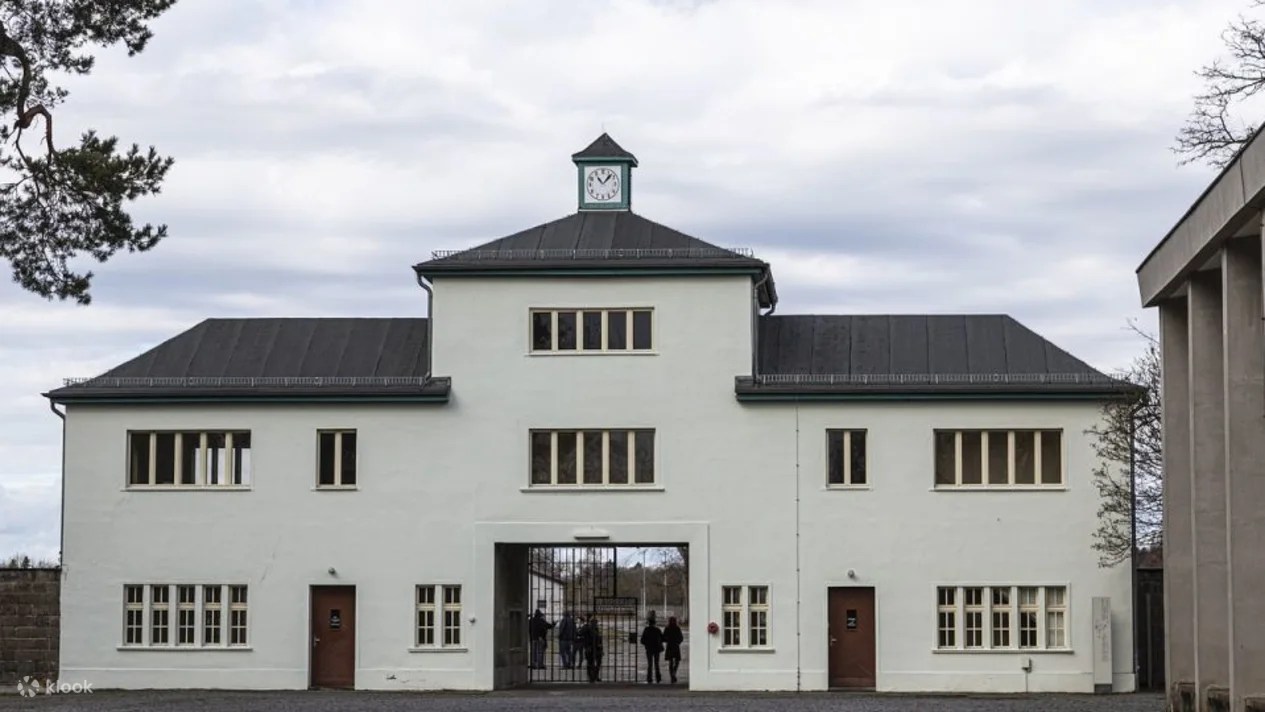
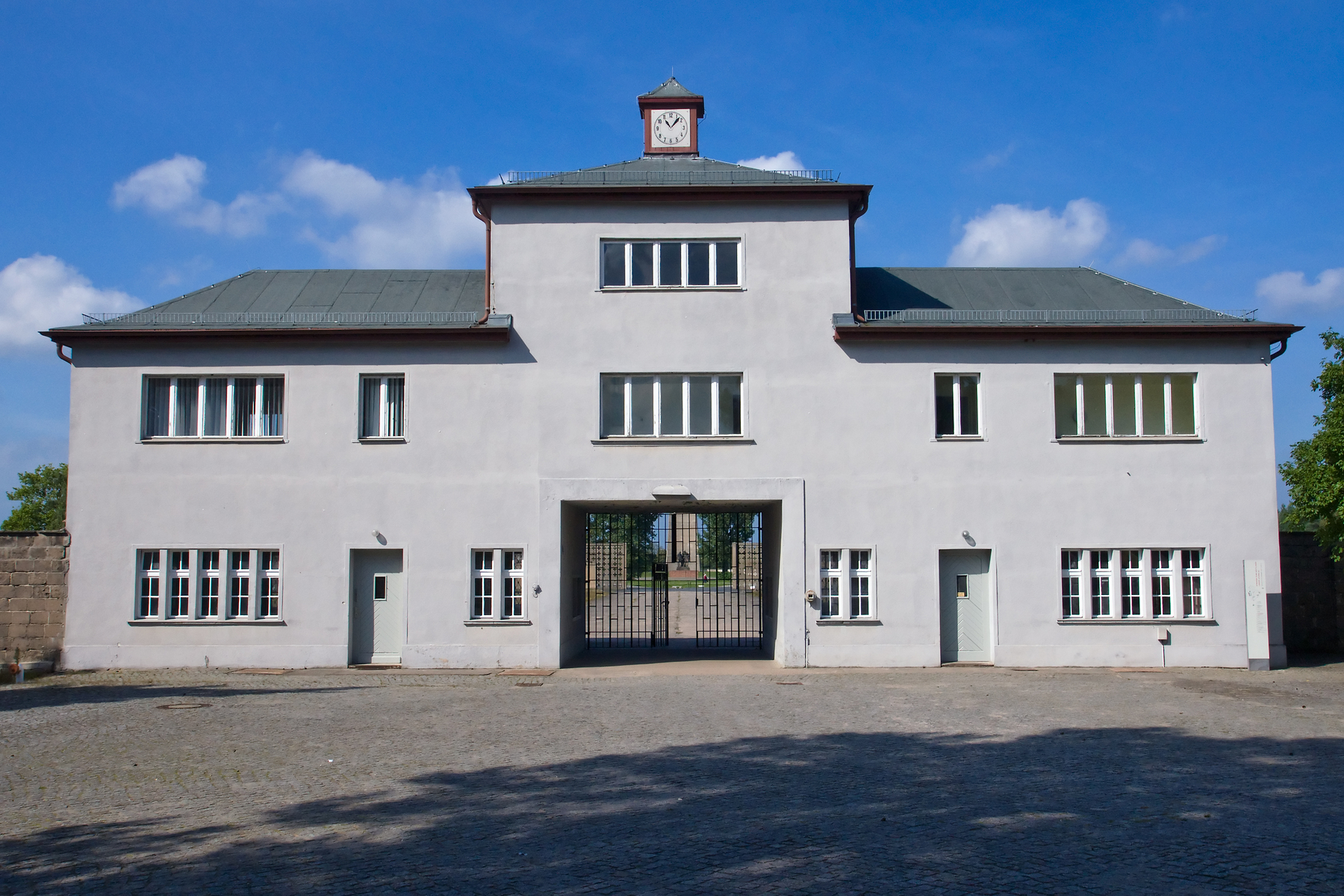
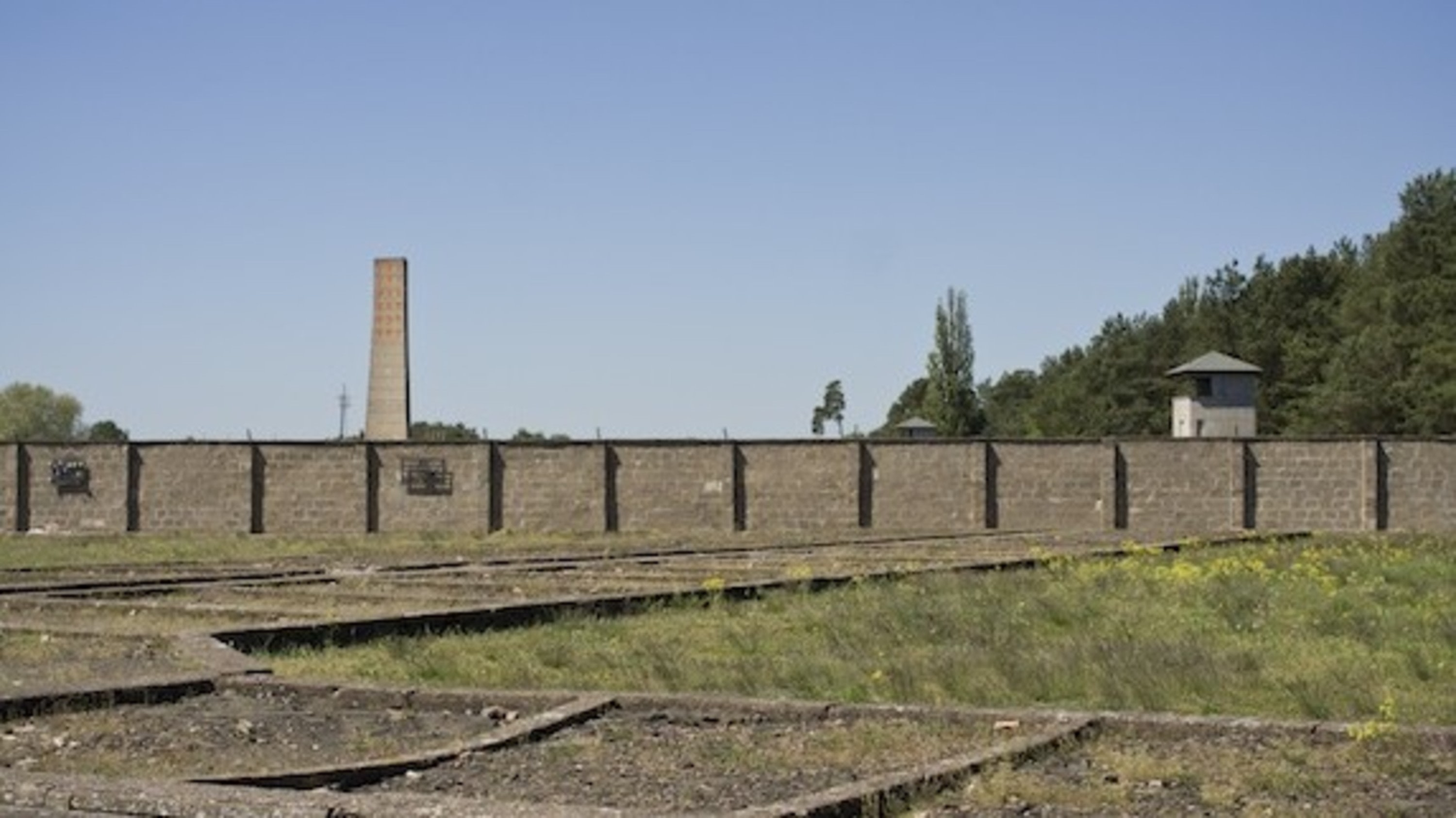
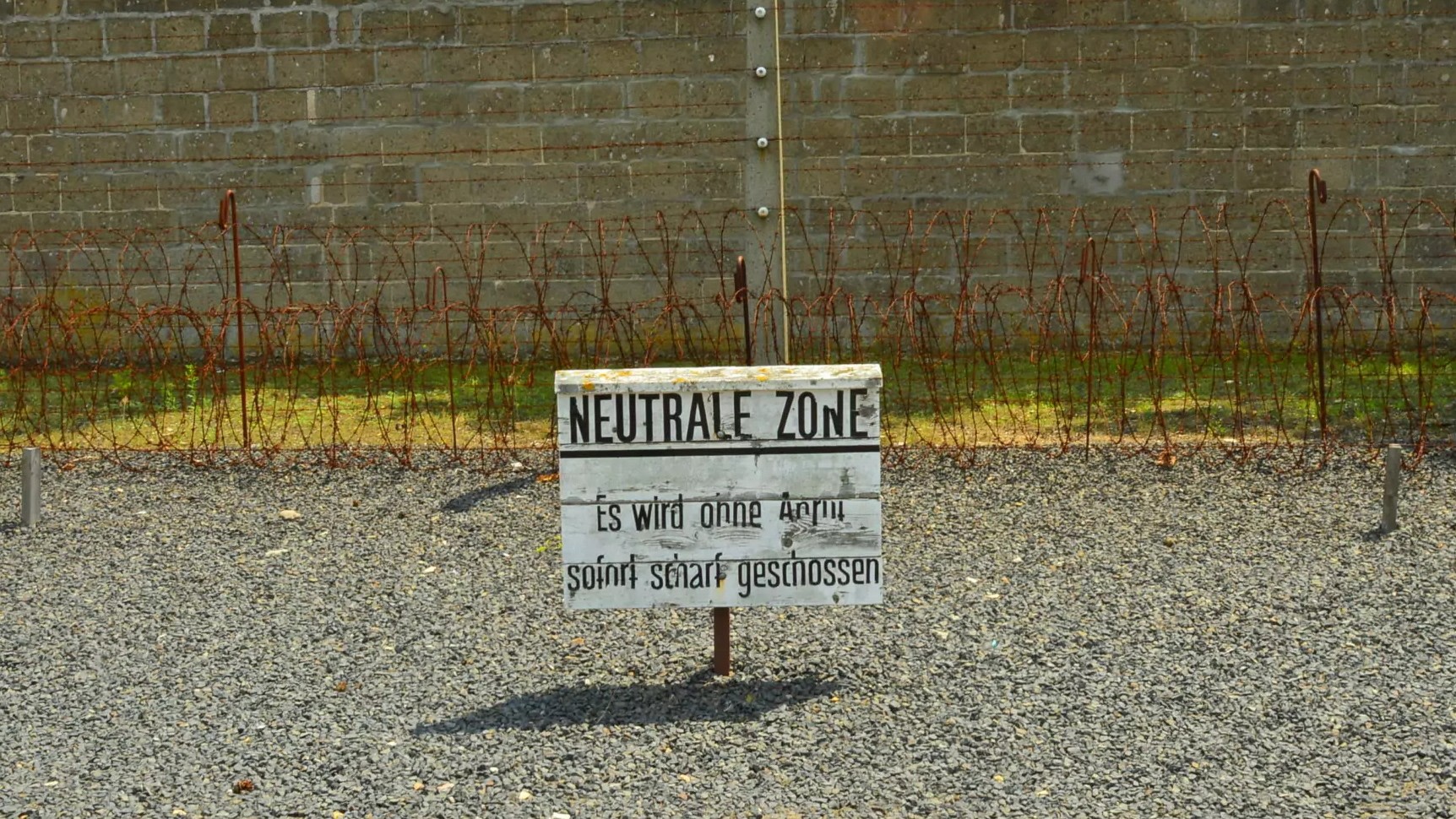
Sachsenhausen existed for nine years. Originally planned for about 6,000 inmates, it eventually held over 40,000, with more than 50,000 people losing their lives there. In 1936 this model camp was built in the forest during the Berlin Olympic Games. Its architecture is a stark testament to the SS’s omnipotent control and the professionalization of terror.
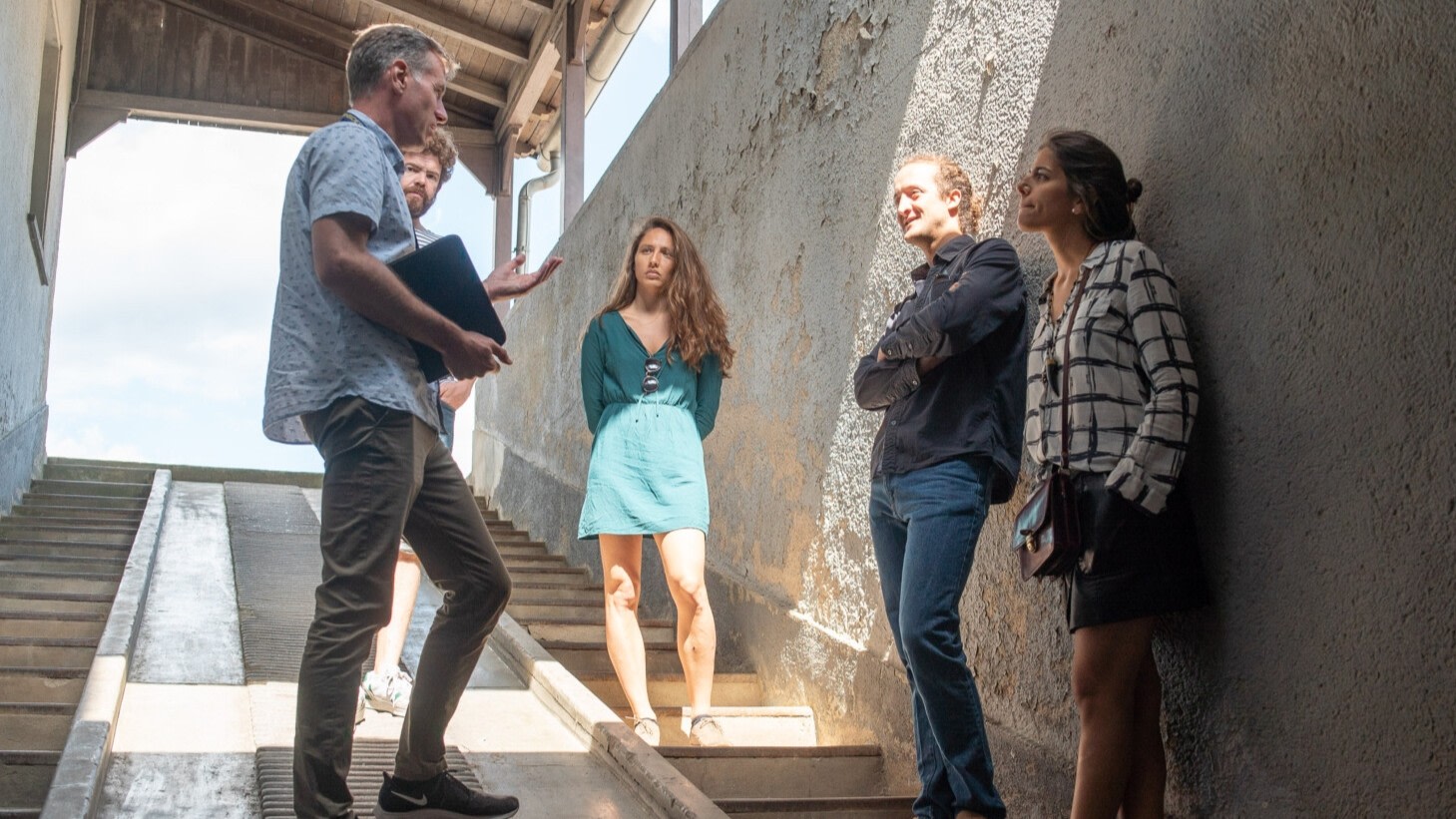
The tour is information-dense, covering multiple storylines that unfolded simultaneously at the camp. All guides hold the official certification of the memorial site.
Available options
Concentration Camp Sachsenhaus
What's included
All Fees and Taxes
Professional guide with the official license
Detailed itinerary
1
Stop 1
Meet your guide in front of the former imperial post office on Oranienburger Straße. Explore the neighboring New Synagogue—a remarkable architectural landmark in the heart of Berlin’s former Jewish quarter. Built when the German Empire was founded, it stands as a symbol of the integration and vibrant Jewish life that flourished during the German Empire and the Weimar Republic.
Learn how, five years after the Nazi dictatorship came to power, open physical violence against Jewish Germans began. Discover why the largest synagogue in Germany, unlike many others, survived the pogroms of 1938.
We will then follow the traces of thousands of arrested Jews to Sachsenhausen. The escalation of antisemitic terror took on a new dimension in 1938, a development that would culminate six years later in the murder of millions.
From here we will do the train-ride in direction north to the town of Oranienburg.
2
From the station, we walk to the memorial site—following the same route prisoners were forced to take—and discuss the camp’s visibility and what its presence meant for the surrounding community.
Oranienburg was strategically located: close to Berlin, on a major railway line to the Baltic Sea, and surrounded by local industries that both supplied and demanded forced labor. The town had already been the site of an early “wild camp” in 1933/34, and the castle was handed over to the SS as a garrison.
The mayor actively promoted Oranienburg, and in 1936 it was chosen as THE location for the model camp of a new generation of concentration camps. Built with forced labor, it emerged at a time when the world was turning its attention to the "glorious" Olympic Games taking place nearby in Berlin.
Learn why the U.S. Air Force carried out a heavy bombing raid on the area just one month before liberation.
3
We stop at today’s tax office, the former headquarters of the Inspectorate of the Concentration Camps, to talk about the central role Sachsenhausen played in the vast concentration camp system. From this building, the SS directed and administered more than 1,000 camps and subcamps across Europe.
Here, you’ll learn about the rise of the “SS state” within the Nazi dictatorship—how the SS gradually pushed aside the Brownshirts, how Heinrich Himmler expanded the SS into a “state within a state” with nearly one million members, and how the concentration camp system was transformed into a highly organized and profitable instrument of exploitation.
4
Stop 4
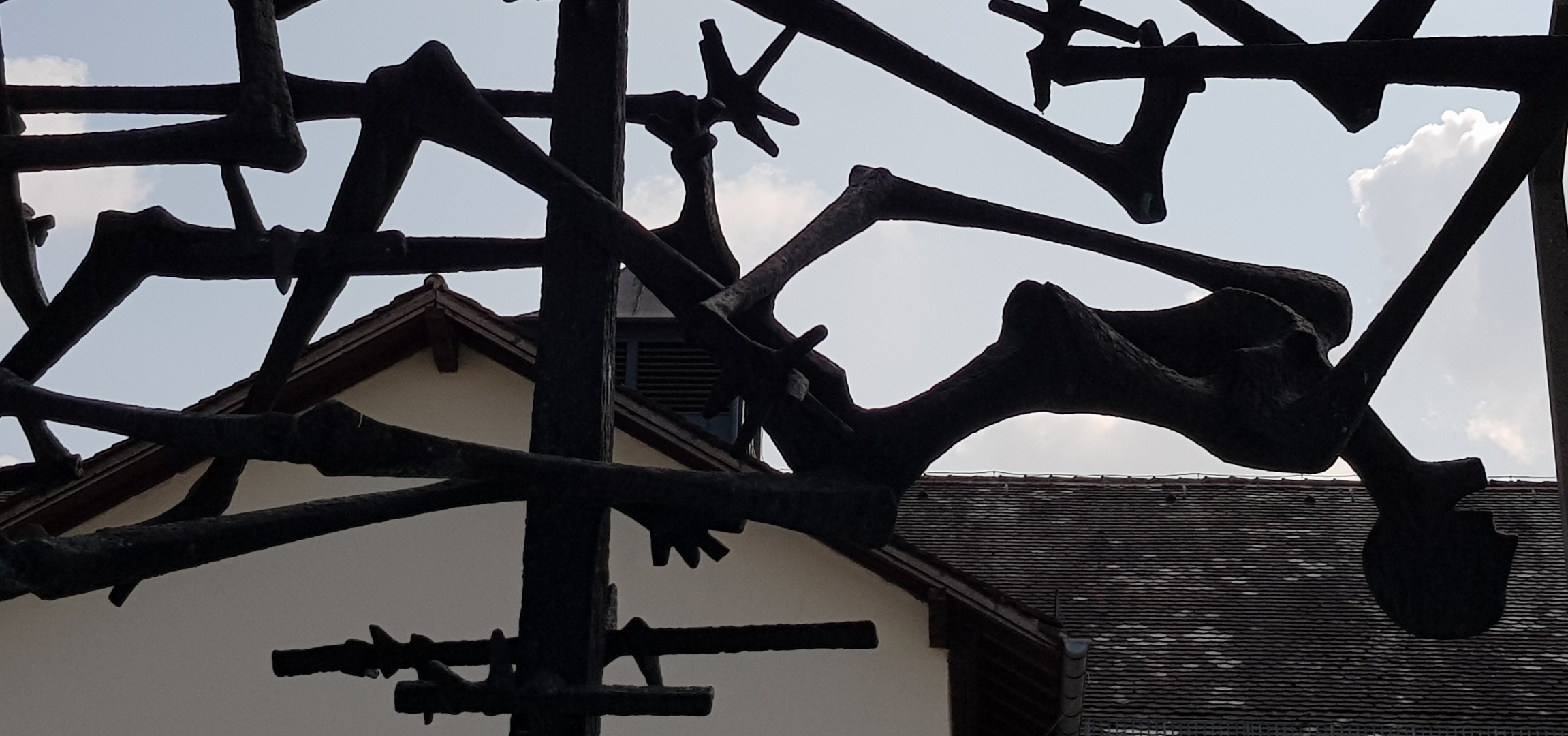
We will spend about three hours at the memorial site. The grounds are extensive, so we will need to do some walking. There will be an opportunity to take a coffee break. Along the way, we will stop at several locations and discuss the following topics.
• Overview at the large entrance map
• Tower A shows the perpetrators’ perspective
• Pass through the infamous “Arbeit macht frei” gate
• Enter the roll-call square
• The dehumanizing “check-in” process
• Violence dominated daily routines
• “Shoe-testing” track as a nightmare job
• Original barracks built like a cowshed
• Cold, disease and starvation killed many
• “Special prisoners” isolated in the Zellenbau
• Survival strategies against all odds
• Station Z – mass killing and cremation of tens of thousands
• Infirmary as a site of medical crimes
• The White Buses also reached Sachsenhausen
• The bizarre camp brothel
• Death marches before liberation
• How German society faced this barbarism
• How humankind can avoid repetition
5
It’s time to return to Berlin. We will make our way to Oranienburg train station and take the train back to the city.
What's not included
You should bring some water and a snack with you as there is not much to buy on the site
Public transport - you need an ABC ticket. Recommended is a 24 hour option. Sums up max 10 € p.p.
If you had a very good tour guides love tips
Available languages
Guide guide
DE
EN
Reviews breakdown
Tripadvisor
5.0
1 reviews
5★
1
4★
0
3★
0
2★
0
1★
0
Important information
Wheelchair accessible
Infants and small children can ride in a pram or stroller
Public transportation options are available nearby
Transportation options are wheelchair accessible
All areas and surfaces are wheelchair accessible
Suitable for all physical fitness levels
Please note: we will do a trainride of 30 km (45 minutes) to the town Oranienburg. You need ABC tickets (not included) from lokal public transport company "BVG". Best option is often the 24 hour mini group ticket. On the site we will walk about 4-5 km.
Meeting point
MP is at the corner Oranienburger Strasse / Tucholskystrasse. Directly beside S-train exit "Oranienburger Strasse". In front of an impressing 19th century brick building (former imperial post office).
The guide will be waiting with a very large umbrella in rainbow colors. WhatsApp possible.
About Berlin
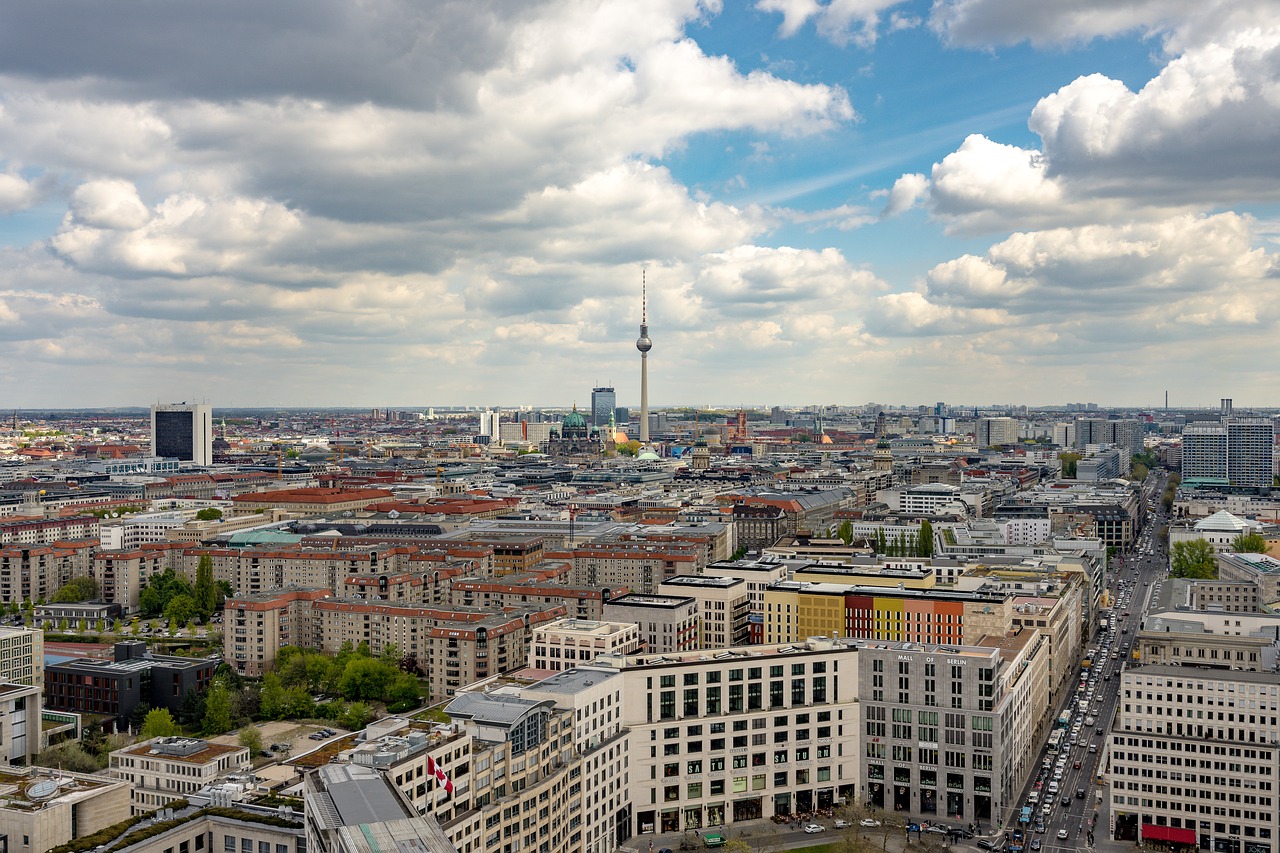
Berlin, Germany's capital and largest city, is a vibrant metropolis known for its rich history, diverse culture, and dynamic nightlife. The city's eclectic mix of modern and historic architecture, world-class museums, and thriving arts scene make it a must-visit destination in Europe.
Top Attractions
Brandenburg Gate
A neoclassical monument and one of Berlin's most iconic landmarks, the Brandenburg Gate was built in the 18th century and has been a symbol of the city's history and reunification.
Historical
30 minutes to 1 hour
Free
Berlin Wall Memorial and East Side Gallery
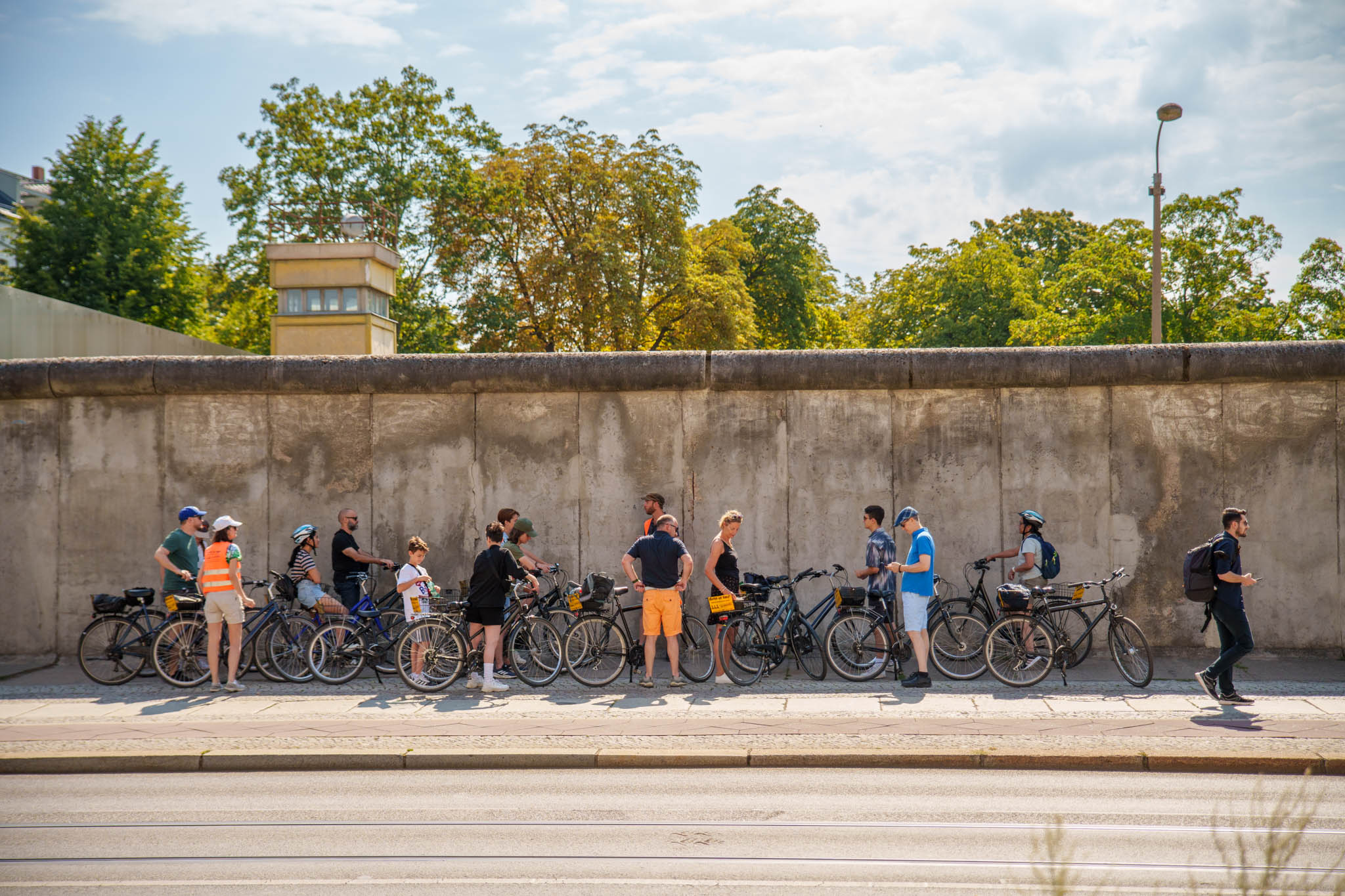
The Berlin Wall Memorial and the East Side Gallery are important historical sites that commemorate the division of Berlin during the Cold War and the fall of the Wall in 1989.
Historical
1-2 hours
Free
Museum Island
A UNESCO World Heritage site, Museum Island is home to five world-renowned museums, including the Pergamon Museum, the Neues Museum, and the Alte Nationalgalerie.
Museum
Half-day to full day
€19 (Museum Island Day Ticket) or individual museum tickets
Reichstag Building
The Reichstag Building is the seat of the German Bundestag (parliament) and a symbol of German democracy. The glass dome on top offers panoramic views of the city.
Historical
1-2 hours
Free (but advance registration is required)
Potsdamer Platz
Potsdamer Platz is a major public square and traffic intersection in the heart of Berlin. It is known for its modern architecture, shopping, and entertainment options.
Architecture
1-2 hours
Free to explore, costs vary for shopping and dining
Must-Try Local Dishes
Currywurst
A popular Berlin street food, currywurst is a sliced sausage served with a curry ketchup sauce and often topped with curry powder.
Snack
Contains pork, vegetarian and vegan options available
Boulette
A German-style meatball, usually served with potato salad or mashed potatoes and a creamy sauce.
Main Course
Contains beef or pork, vegetarian and vegan options available
Döner Kebab
A Turkish dish popularized in Berlin, consisting of seasoned meat (usually lamb, beef, or chicken) cooked on a vertical rotisserie and served in flatbread with vegetables and sauces.
Main Course
Contains meat, vegetarian and vegan options available
Berliner Pfannkuchen
A jelly-filled doughnut, similar to a Berlin-style donut, often eaten during Carnival season.
Dessert
Contains wheat, dairy, and egg, vegan options available
Popular Activities
Cycling
Hiking
Boat tours
Rock climbing
Spa and wellness
Picnicking in parks
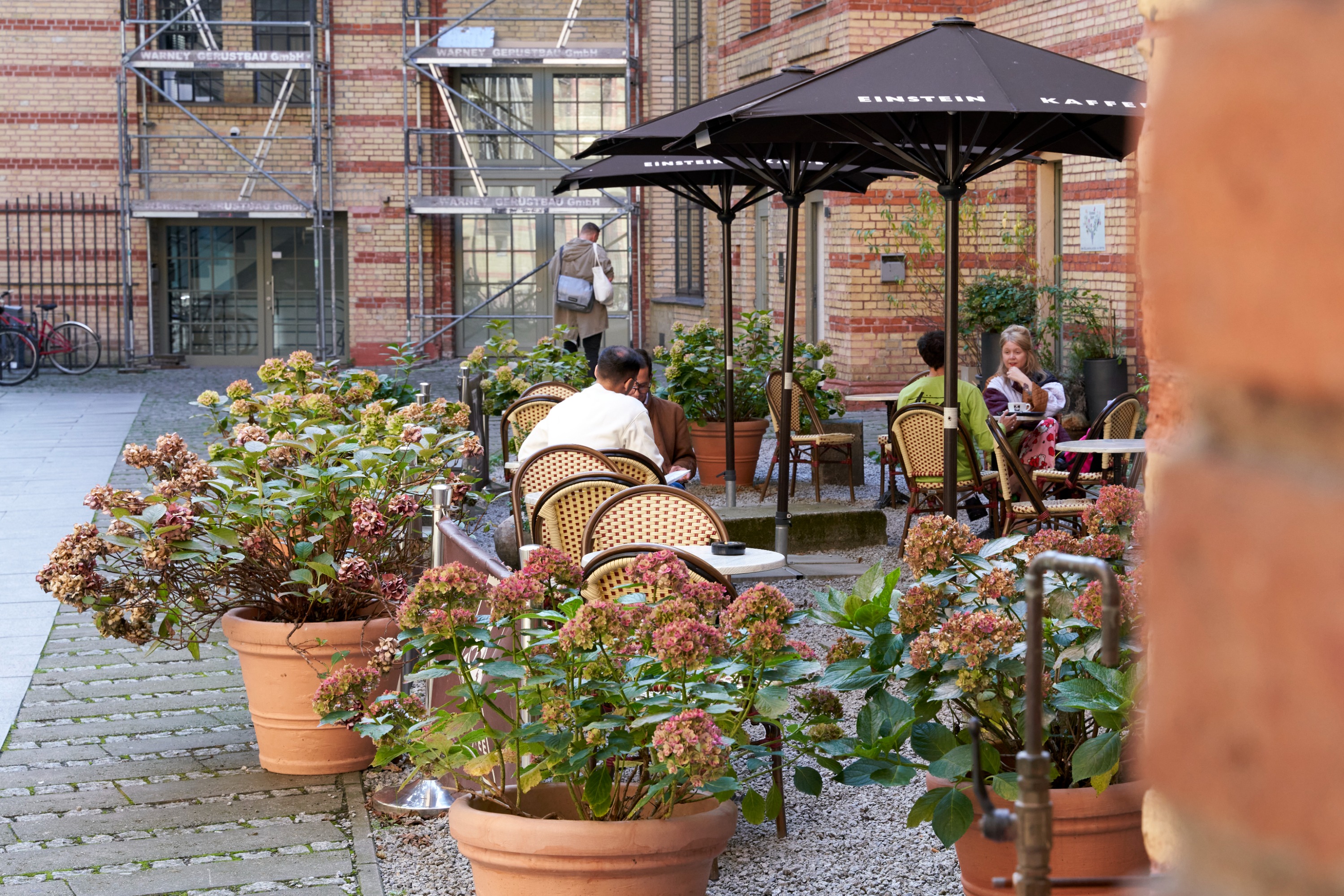
Café hopping
Boat tours on the Spree River
Best Time to Visit
June to August
This is the warmest time of the year with long daylight hours, making it ideal for outdoor activities and festivals. The city is lively with tourists and locals enjoying the summer weather.
20°C to 25°C (68°F to 77°F)
68°F to 77°F
Practical Information
Language
- Official: German
- Widely spoken: English, French, Turkish, Arabic, Russian
- English: Widely spoken
Currency
Euro (EUR)
Time Zone
GMT+1 (CET), GMT+2 (CEST during daylight saving time)
Electricity
230VV, 50HzHz
Safety Information
Overall Safety Rating: Generally safe
Berlin is generally a safe city for travelers, with low crime rates and a welcoming atmosphere. However, as with any major city, it's important to be aware of your surroundings and take precautions to protect yourself and your belongings.
Important Precautions:
- • Be aware of your surroundings and keep an eye on your belongings, especially in crowded areas and on public transportation.
- • Use licensed taxis or ride-sharing services, and agree on the fare before starting your journey.
- • Keep your passport and valuables in a safe place, and carry a copy of your passport and important documents.
Getting there
By air
- Berlin Brandenburg Airport • 18 km (11 miles) from city center
By train
Berlin Hauptbahnhof
By bus
Berlin Central Bus Station (ZOB)
Getting around
Public transport
The U-Bahn is a fast and efficient way to get around Berlin, with 10 lines serving 173 stations. It operates from early morning to late at night.
Taxis
Available • Apps: Uber, FreeNow
Rentals
Car, Bike, Scooter
Neighborhoods
Mitte
Kreuzberg
Prenzlauer Berg
Friedrichshain
Charlottenburg
Day trips
Potsdam
35 km (22 miles) from Berlin • Half-day to full day
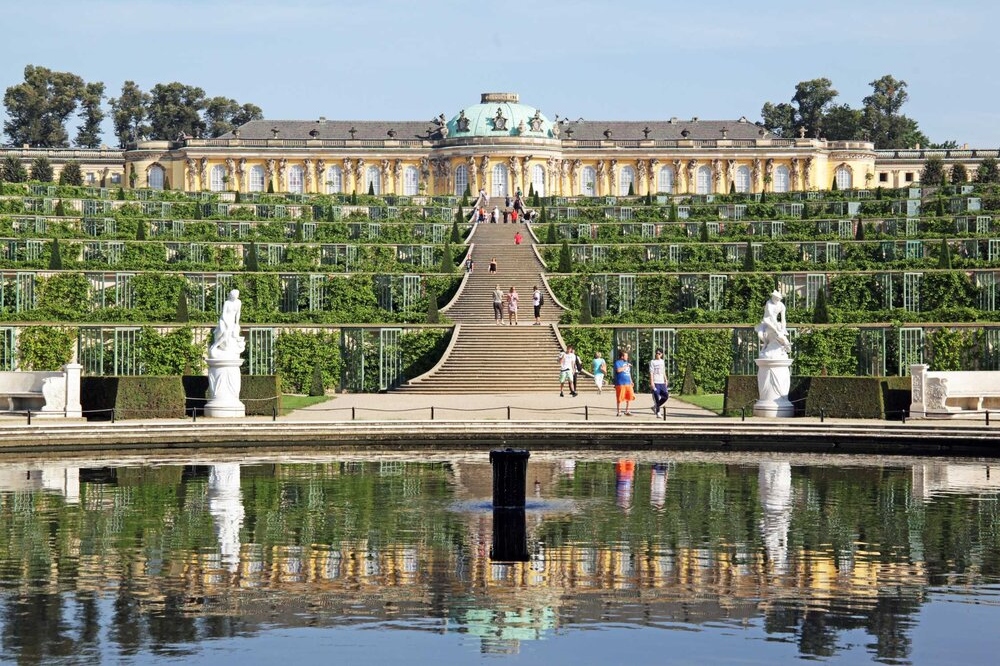
Potsdam is a charming city near Berlin, known for its stunning palaces, parks, and lakes. It was the former residence of Prussian kings and German emperors and is a UNESCO World Heritage site.
Spreewald
100 km (62 miles) from Berlin • Full day
Spreewald is a picturesque region of forests, lakes, and canals, known for its traditional wooden houses, pickles, and gondola rides. It is a popular destination for outdoor activities and relaxation.
Sachsenhausen Concentration Camp Memorial
35 km (22 miles) from Berlin • Half-day
The Sachsenhausen Concentration Camp Memorial is a somber and important historical site, dedicated to the victims of the Nazi regime. The memorial includes the preserved camp buildings, a museum, and a memorial cemetery.
Festivals
Berlin International Film Festival (Berlinale) • February
Berlin Carnival of Cultures (Karneval der Kulturen) • Late May to early June
Berlin Festival • September
Pro tips
- Learn a few basic phrases in German, as it's appreciated by locals and can enhance your travel experience.
- Consider purchasing a Berlin WelcomeCard for unlimited public transportation and discounts at attractions.
- Explore the city's diverse neighborhoods, each with its own unique character and attractions.
- Visit Berlin's many parks and green spaces, which offer a peaceful and relaxing escape from the bustling city.
- Be open to trying new foods and culinary experiences, as Berlin's diverse food scene offers something for everyone.
From $25
per person
Price varies by option
Secure booking
Free cancellation available
Instant confirmation