Monte Alban, Mezcal, Tule Tree and Wool Mats Tour
Active
5h - 6h
For a full refund, cancel at least 24 hours before the scheduled departure time.
Instant confirmation
Mobile or paper ticket accepted
About this experience
Discover the best of Oaxaca in one day!
What makes our tour different is that we not only visit the most emblematic places, but live them through an authentic and personalized experience.
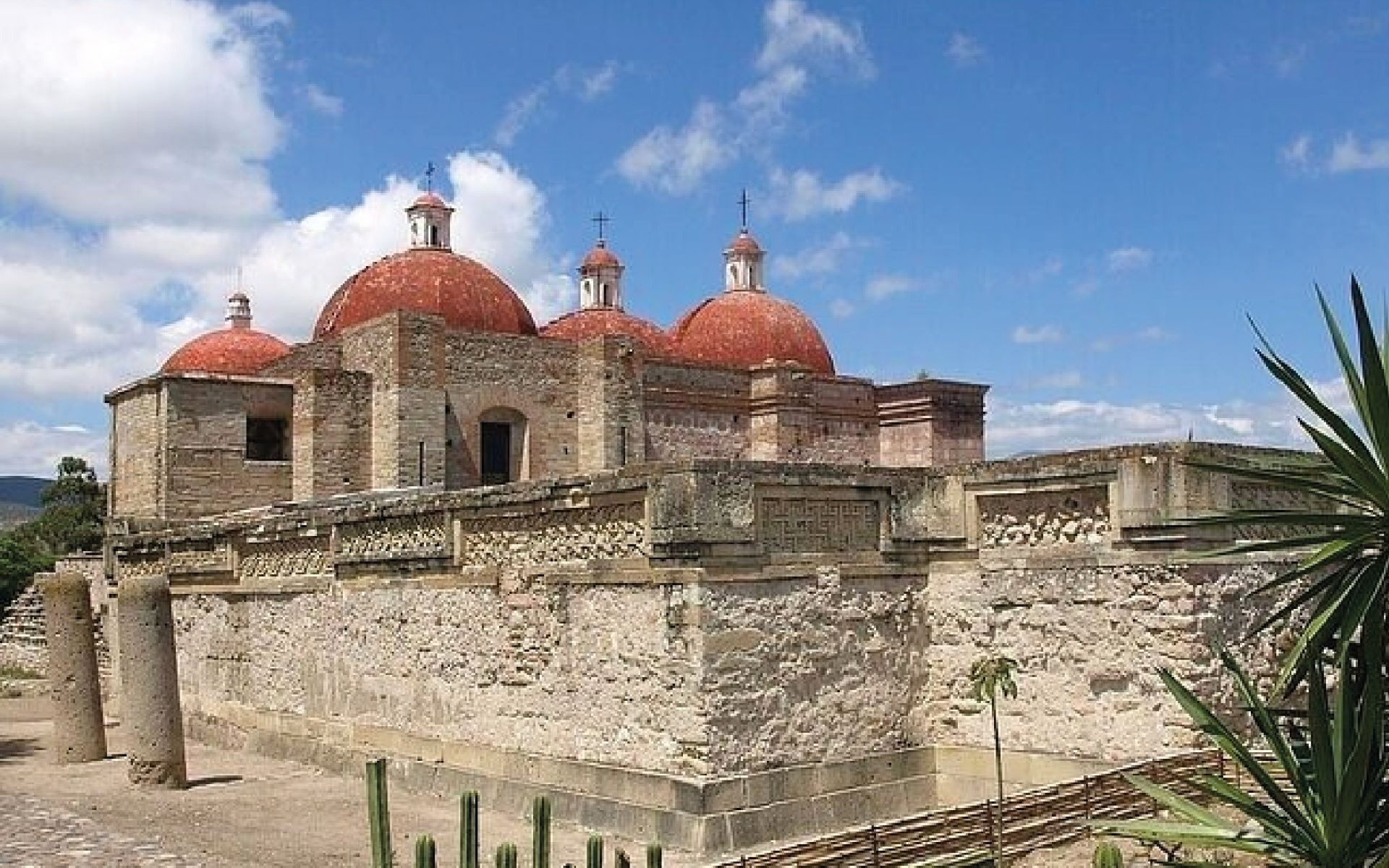
We will explore Monte Alban accompanied by clear and dynamic explanations that will help you understand the greatness of the Zapotec civilization.
Afterwards, we will visit an artisan mezcal factory where you will know the traditional process and enjoy a guided tasting.
We will also visit the impressive Tule Tree, one of the oldest and widest trees in the world, and visit a local restaurant where you can enjoy authentic Oaxacan cuisine.
In Teotitlán del Valle you will discover the art of wool mats dyed with natural pigments, learning from local artisans about their ancient techniques.
More than a tour, we offer a complete, close and enriching cultural experience, where each stop has a story to tell.
Available options
Monte Alban, Mezcal, Tule Tree and Wool Mats Tour
Pickup included
What's included
Water bottles
Private transportation
Air-conditioned vehicle
Detailed itinerary
1
Stop 1
As a first place we will visit the archaeological area of Monte Alban, the ceremonial center of the Zapotec civilization located on top of a mountain overlooking all valleys, we will have a guided tour of this site where you will learn about the evolution of this culture and about the history of the archaeological area.
2
Stop 2
We will stop to meet the oldest Mexican in existence, (the tule tree) with more than 2000 years of age this incredible Sabino proves us to be the tree with the widest trunk in the world, you can admire its enormous size as well as the whimsical figures that form around the trunk and know the history about this beautiful natural beauty.
3
Along the way we will stop to taste Oaxacan food, this is one of the richest and most diverse in Mexico, with a strong indigenous influence and is characterized by the use of traditional ingredients such as corn, chili, bean and cocoa, you can find dishes such as moles, tlayudas, tamales, quesillo (oaxaca cheese) and even chapulines.
Oaxacan cuisine is a fusion of history, culture and tradition, considered an Intangible Cultural Heritage of Humanity by UNESCO.
4
Travelers will visit an artisanal mezcal factory, where they will know step by step the traditional process of making mezcal, from cooking agave in stone ovens to distilling in copper or clay stills.
They will learn about the different types of agave, the techniques transmitted from generation to generation and the cultural importance of mezcal in Oaxaca.
At the end, they will enjoy a guided tasting, where they can taste different varieties of mezcal and learn to identify its aromas, flavors and unique characteristics.
5
Teotitlán del Valle is a Zapotec town famous for the artisanal elaboration of wool mats dyed with natural dyes. This textile tradition has been handed down for generations and is one of the most representative in the region.
Mats are woven on pedal looms, introduced by the Spanish in the 16th century, but the designs and techniques have pre-Hispanic roots. Artisans use natural dyes extracted from plants and insects, such as indigo for blue tones, cochineal grain for reds and cempasúchil for yellows.
Mat designs vary from geometric patterns inspired by Mitla’s grecas to depictions of natural elements and modern figures. Each piece is unique and can take weeks or even months to complete, depending on its size and complexity.
What's not included
Does not include tips
Sourvenirs
Meals
Ticket to the archaeological site of Monte Alban
Admission to the Tule Tree
Available languages
Guide guide
EN
ES
Reviews breakdown
Viator
5.0
4 reviews
5★
4
4★
0
3★
0
2★
0
1★
0
Tripadvisor
5.0
23 reviews
5★
23
4★
0
3★
0
2★
0
1★
0
Important information
Infants and small children can ride in a pram or stroller
Public transportation options are available nearby
Not recommended for travelers with poor cardiovascular health
Travelers should have at least a moderate level of physical fitness
About Oaxaca City
Oaxaca City, the capital of the Mexican state of Oaxaca, is a UNESCO World Heritage Site renowned for its colonial architecture, vibrant indigenous cultures, and rich culinary traditions. It offers a unique blend of history, art, and natural beauty, making it a must-visit destination in Mexico.
Top Attractions
Zócalo
The main square of Oaxaca City, surrounded by colonial buildings, cafes, and shops. It's a hub of activity and a great place to people-watch.
Historical
1-2 hours
Free
Templo de Santo Domingo de Guzmán
A stunning 16th-century Baroque church and former monastery, now home to the Museum of Oaxacan Cultures.
Historical
1-2 hours
MXN 60 (museum entry)
Monte Albán
An ancient Zapotec archaeological site with impressive ruins, temples, and pyramids. It offers panoramic views of the surrounding valleys.
Historical
Half day
MXN 80
Mercado 20 de Noviembre
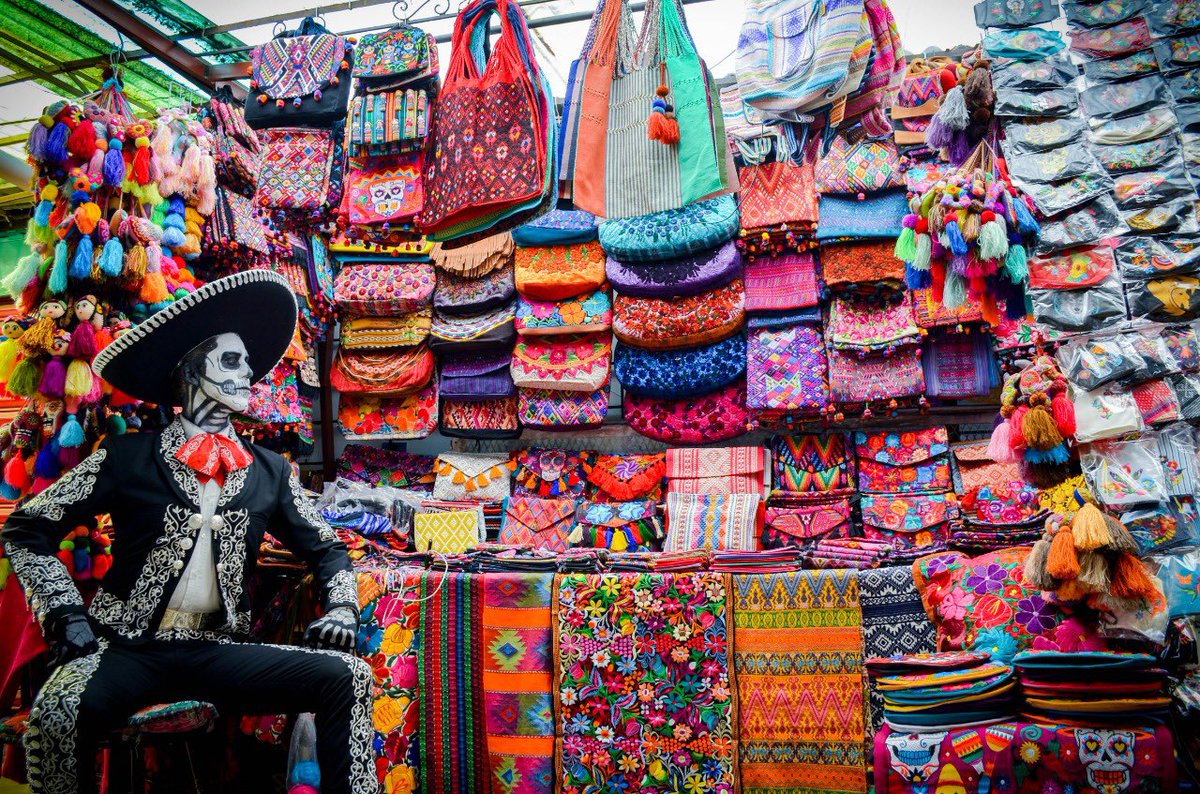
A bustling market offering a variety of local foods, crafts, and souvenirs. It's a great place to experience Oaxacan culture and cuisine.
Cultural
1-2 hours
Free to enter, prices vary for food and souvenirs
Ethnobotanical Garden
A beautiful garden showcasing the diverse flora of Oaxaca, with a focus on medicinal and culinary plants. It's a peaceful retreat in the city.
Nature
1-2 hours
MXN 30
Must-Try Local Dishes
Mole
A complex and flavorful sauce made with chilies, chocolate, and spices. Oaxaca is famous for its seven traditional moles.
Sauce (served with meat or chicken)
Contains chocolate and various spices, may contain meat.
Tlayudas
A large, crispy tortilla topped with beans, cheese, meat, and salsa. It's often referred to as 'Oaxacan pizza.'
Street food
Vegetarian options available, but typically contains meat.
Chapulines
Toasted grasshoppers seasoned with lime, garlic, and chili. A popular and protein-rich snack in Oaxaca.
Snack
Contains insects, not suitable for those with entomophobia.
Mezcal
A traditional Mexican spirit made from the agave plant. Oaxaca is the heart of mezcal production, offering a wide variety of flavors and brands.
Drink
Alcoholic beverage, not suitable for those avoiding alcohol.
Popular Activities
Hiking in Sierra Norte
Zip-lining in San José del Pacífico
Exploring Monte Albán
Soaking in Hierve el Agua
Enjoying mezcal tastings
Strolling through the Ethnobotanical Garden
Visiting local markets
Attending cultural festivals
Best Time to Visit
November to April
This period offers the best weather with sunny days and cool nights. It's ideal for exploring the city and attending major festivals like Day of the Dead (early November).
15°C to 30°C
59°F to 86°F
Practical Information
Language
- Official: Spanish
- Widely spoken: English (limited)
- English: Limited
Currency
Mexican Peso (MXN)
Time Zone
GMT-6 (Central Standard Time)
Electricity
127VV, 60HzHz
Safety Information
Overall Safety Rating: Generally safe
Oaxaca City is generally safe for tourists, but common sense and precautions should be taken to ensure a safe and enjoyable visit. Petty crime, such as pickpocketing and bag snatching, can occur in crowded areas.
Important Precautions:
- • Keep valuables secure and out of sight
- • Use official taxis or ride-hailing apps
- • Avoid walking alone at night in isolated areas
Getting there
By air
- Xoxocotlán International Airport • 10 km from city center
By bus
ADO Oaxaca Central de Autobuses
Getting around
Public transport
The bus system is affordable and covers most areas. Buses are color-coded based on their routes. Taxis are also widely available and relatively inexpensive.
Taxis
Available • Apps: Uber, Didi
Rentals
Car, Bike, Scooter
Neighborhoods
Centro Histórico (Historic Center)
Jalatlaco
Reforma
Day trips
Hierve el Agua
35 km from Oaxaca City • Half day
A stunning natural site featuring petrified waterfalls, mineral pools, and panoramic views of the surrounding valleys. It's a popular spot for swimming and hiking.
Teotitlán del Valle
30 km from Oaxaca City • Half day
A traditional Zapotec village known for its vibrant textiles, weaving workshops, and cultural heritage. It's a great place to learn about Oaxacan craft traditions.
San José del Pacífico
60 km from Oaxaca City • Full day
A mountain village surrounded by lush forests and waterfalls. It's a popular destination for hiking, zip-lining, and enjoying the natural beauty of the region.
Festivals
Day of the Dead (Día de los Muertos) • Early November (October 31 to November 2)
Guelaguetza Festival • Last two Mondays of July
Noche de Rábanos (Night of the Radishes) • December 23
Pro tips
- Learn a few basic Spanish phrases to enhance your experience and show respect for the local language and culture
- Visit local markets for authentic souvenirs and support local artisans
- Try local street food for a unique and affordable culinary experience
- Hire a local guide for a more in-depth understanding of the city's history and culture
- Explore the city on foot to discover hidden gems and enjoy the vibrant atmosphere
Get Price
per person
Price varies by option
Secure booking
Free cancellation available
Instant confirmation