Bergerac Audio Guided Walking Tour 1h and 17 audio reviews
Active
1h
For a full refund, cancel at least 24 hours before the scheduled departure time.
Instant confirmation
Mobile or paper ticket accepted
About this experience
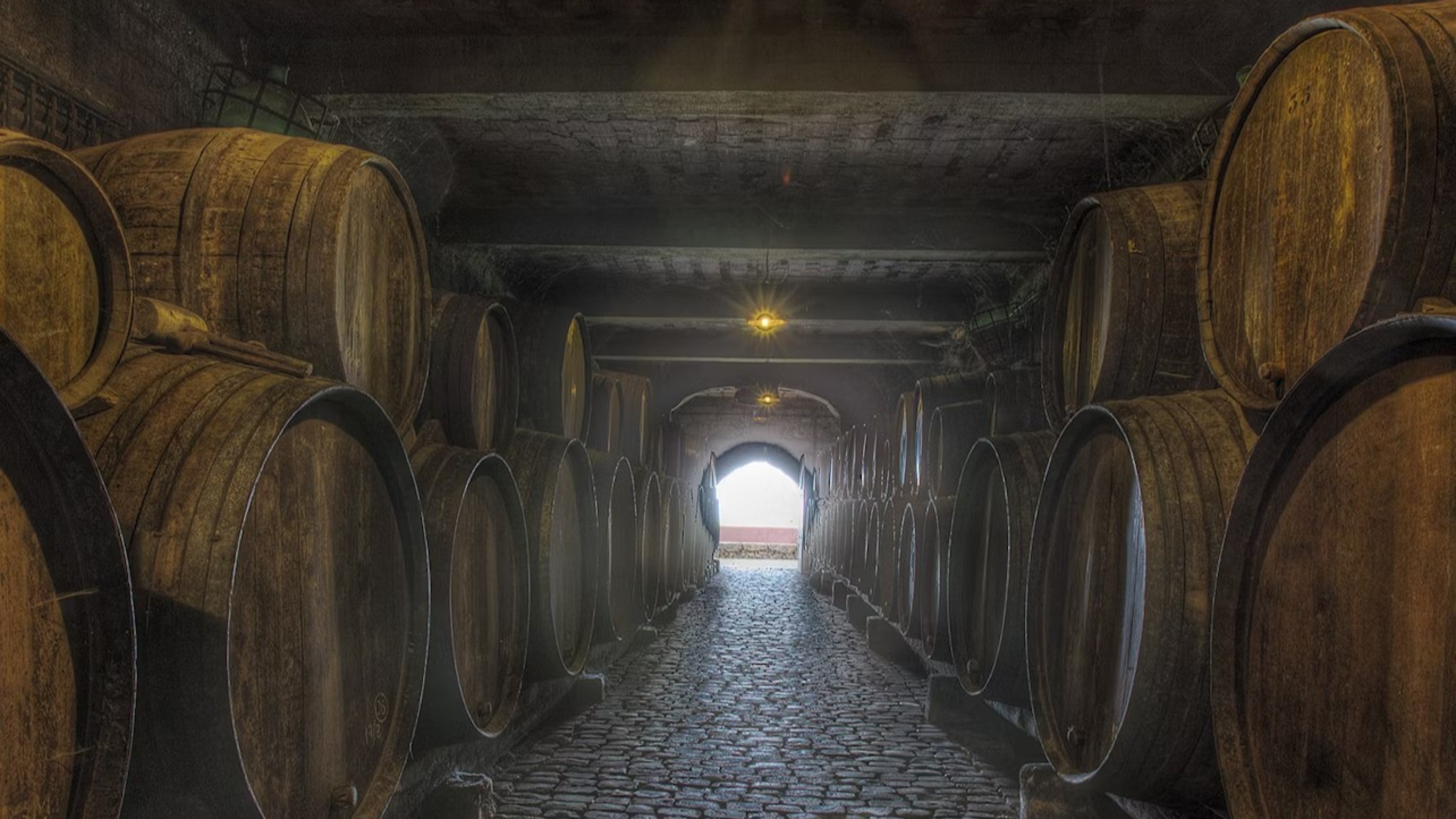
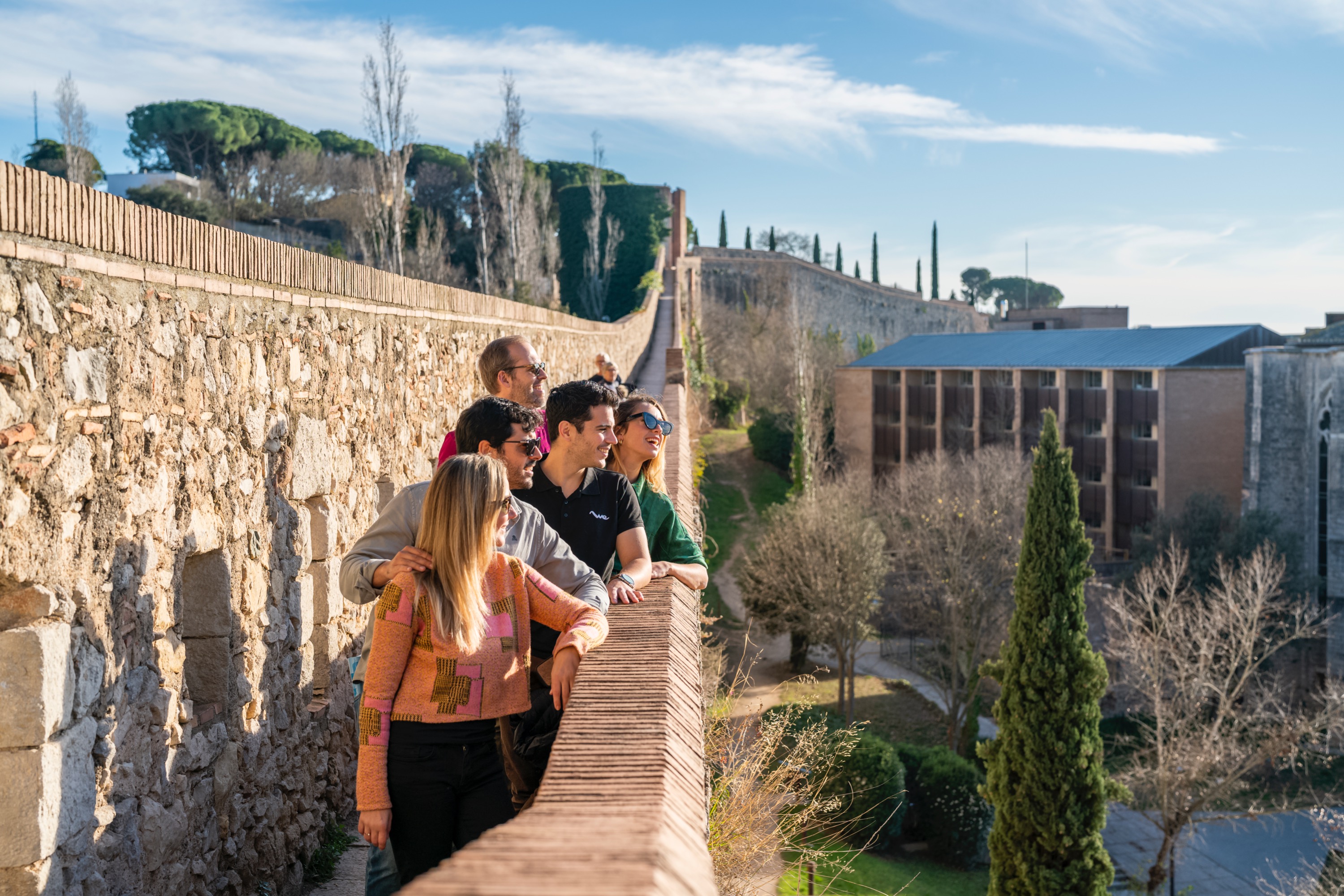
Bergerac, labeled a city of art and history, invites you to explore its rich heritage in one day. Discover iconic sights such as the Cyrano statue, the Tobacco Museum and the charming cobbled streets. Enjoy the quays of the Dordogne and admire medieval architecture in its historic center. This tour plunges you into the heart of the wine traditions of the region with tasting opportunities in the surrounding vineyards. Audio guides bring you historical anecdotes and captivating stories along the way.
Explore 17 landmarks in one day in Bergerac
- Audio guides available for rich historical commentary
- Wine tasting and discovery of local gastronomy included
- Ideal for lovers of history, culture and wine.
Available options
Audio guided circuit
What's included
Recommendations for the best photo opportunities
Immediate access to the audioguided circuit, no tickets or materials to collect
Offline mode (no data consumption during the visit)
3 languages available: French, English, Spanish
Text transcripts of all audio content
Admire the hidden gems that lie off the beaten track
17 immersive audio comments along the way (History...)
Interactive navigation with 3D map to discover the most beautiful streets,...
Detailed itinerary
1
The statue, strange to say the least, you see at the corner of Rue du port and quai Salvette, is called “Total disillusionment”! Exhibited in Paris and Rio, it was finally Bergerac who acquired it and installed it on its streets.
2
Can't pass by, this is the Cyrano Wharf. This newly created ensemble mixes culture, wine and tourism in a dedicated space of 150 m2. You will find here the Tourist Office, but also upstairs the Wine House, which will present its grape varieties and its best bottles.
3
Half-timbered house, painted shutters, flower beds and statue of Cyrano, it's like a painting! Place de la Myrpe, in the shade of chestnut trees, is the perfect place to stop and take the time to look at what is around us.
4
Watching its long blue ribbon flow past you, you understand why the Dordogne gave its name to the whole department. She is the true Rising Star of the region.
5
You are on the old port of Bergerac. The gabarres are typical river boats of several regions of the Atlantic basin, such as the Loire, Charente, Dordogne and Garonne. All these boats have the particularity of having a flat bottom that allows them to support a maximum load with a low water flow.
6
This is a nice view of the Bergerac bridge. The first real bridge in the city was built in the 1200s. It was a bridge made of vaults and wood, repaired many times after the damage of major floods, but which still lasted 6 centuries!
7
In the world’s big and small capitals, bridges always offer beautiful views of the surroundings. From here, you can observe the cobblestone docks of the old port of Bergerac surrounded by the city center on one side, and on the other, the wild banks of the Dordogne.
8
Now that we are on the right bank, we might as well go see this strange church of the Madeleine. This neoclassical Catholic church was built in 1843.
9
Here you are, facing a complex of buildings called the House of Henry IV, which has no relation to the King of France. Today you have here the entrance to the Tobacco Museum.
10
Here you are, in front of Bergerac City Inn. In 1254, Bergerac obtained its communal autonomy. His new municipality then sits in a building on Place Malbec that no longer exists today.
11
Here is the Church of Our Lady of Bergerac. It is the main Catholic church in the city. Built between 1856 and 1865, it is more recent than its older sisters in other cities of France. In the mid-19th century, Catholicism saw a revival of interest and the parish priest of Saint James’ Church, Justin Macerouze, absolutely wanted a new parish in small cathedral mode.
12
As you pass by the Rue du Dragon, I can not fail to tell you the legend of the Coulobre de Bergerac! Let’s dive back into time immemorial, in the village of Lalinde on the banks of the Dordogne near Bergerac.
13
You open onto the small Place Louis de la Bardonnerie, which has hosted the city’s Covered Point of Sale since the 19th century. Halls are built in a Baltard style like in Paris, which combines iron, cast iron and glass.
14
Cyrano seems to contemplate it, here you are in front of the beautiful Romanesque church of Santiago the Major. It was always considered the main church of Bergerac until the construction of Notre-Dame in the 19th century.
15
The remains of Bergerac’s former hydraulic power plant were discovered in 2007, during development work on rue des fontaines.
16
I would like to draw your attention to the name of the street you are now using, because it reminds us of a high point in Bergerac’s life and a key moment in our history. It is there, in Mr. Doublet’s house, which you see from the corner, that the peace conferences were held.
17
This is the Protestant temple of Bergerac. Its construction dates from 1788. In 1561 Bergerac officially joined the Protestant camp. The city has been known to be a supporter of the Reformation for a long time.
What's not included
Entrance fees to paid establishments along the route...
Headphones or headphones (optional)
Available languages
Audio guide
EN
FR
ES
Important information
Service animals allowed
Public transportation options are available nearby
Suitable for all physical fitness levels
Meeting point
We build your tours in the form of a loop so that you can easily start the tour at the point closest to you, the guidance will adapt automatically. If you are nearby, we recommend this ideal Check-out Point.
Important notes
Activating your audio-guided circuit:
1. Download the INWAY mobile app from your App Store or directly via this link: in-way.fr/app
2. Open the application and enter your code to unlock the circuit: BGA46102
We build our circuits in the form of a loop so that you can easily start the tour at the point closest to you, the guidance will adapt automatically. If you are nearby, we recommend an ideal Check-out Point: Place de Lattre de Tassigny
About Bergerac
Bergerac is a charming town in the Dordogne department of Aquitaine, renowned for its wine production and picturesque old town. With its rich history, stunning architecture, and delicious local cuisine, Bergerac offers a delightful blend of cultural and natural attractions.
Top Attractions
Old Town
The charming old town of Bergerac is filled with medieval and Renaissance architecture, cobblestone streets, and lively squares.
Historical
Half day
Free
Bergerac Wine Museum
This museum offers a fascinating look at the history and production of Bergerac wines, with tasting opportunities.
Museum
1-2 hours
€5-10
Monbazillac Castle
A stunning 16th-century castle with panoramic views, surrounded by vineyards and offering wine tastings.
Historical
Half day
€5-10
Dordogne River
The Dordogne River offers beautiful scenery, water activities, and scenic cruises.
Nature
Half day to full day
Free to €20
Bergerac Golf Club
A scenic golf course set in the heart of the Périgord region, offering a challenging and enjoyable experience.
Sports
Half day
€20-50
Must-Try Local Dishes
Pâté de Périgord
A rich, flavorful pâté made with local duck or goose liver, herbs, and spices.
Appetizer
Contains pork and dairy
Confit de Canard
Duck legs slow-cooked in their own fat, served with potatoes and vegetables.
Main Course
Contains poultry and fat
Truffle Soup
A creamy soup made with local truffles, potatoes, and cream.
Soup
Contains dairy and truffles
Bergerac Wine
A range of wines produced in the Bergerac region, including reds, whites, and sweet wines.
Drink
Contains alcohol
Popular Activities
Kayaking on the Dordogne River
Hiking in the countryside
Wine tasting
River cruises
Visiting museums
Exploring historic sites
Swimming in the Dordogne River
Fishing
Best Time to Visit
June to August
The peak season offers warm weather, long daylight hours, and numerous festivals. It's the best time for outdoor activities and exploring the vineyards.
18°C to 28°C
64°F to 82°F
Practical Information
Language
- Official: French
- Widely spoken: English, Spanish, German
- English: Moderately spoken
Currency
Euro (EUR)
Time Zone
GMT+1 (CET)
Electricity
230VV, 50HzHz
Safety Information
Overall Safety Rating: Generally safe
Bergerac is generally a safe destination, with low crime rates. However, as with any tourist destination, it's important to be aware of your surroundings and take basic precautions.
Important Precautions:
- • Keep valuables secure
- • Be cautious of pickpockets in crowded areas
- • Use reputable taxi services or ride-sharing apps
Getting there
By air
- Bergerac Dordogne Périgord Airport • 5 km from city center
- Bordeaux-Mérignac Airport • 120 km from city center
By train
Bergerac Station
By bus
Bergerac Bus Station
Getting around
Public transport
The local bus network covers the town and surrounding areas, offering an affordable way to get around.
Taxis
Available • Apps: G7, Uber
Rentals
Car, Bike, Scooter
Neighborhoods
Old Town
Saint-Jacques
Périgord
Day trips
Sarlat-la-Canéda
30 km • Half day
A beautiful medieval town known for its well-preserved architecture and vibrant markets.
Les Eyzies-de-Tayac
40 km • Full day
A town known for its prehistoric sites and caves, including the famous Lascaux caves.
Périgueux
35 km • Half day
A historic town with Roman ruins, a stunning cathedral, and charming streets.
Festivals
Bergerac Wine Festival • June
Bergerac Medieval Festival • July
Bergerac Jazz Festival • September
Pro tips
- Visit the local markets for fresh produce, crafts, and a taste of local life
- Explore the narrow alleys and hidden courtyards of the old town for a glimpse into the past
- Take a wine tour to learn about the region's renowned wine production
- Rent a bike or take a scenic cruise along the Dordogne River for a relaxing way to see the countryside
- Try local specialties like pâté de Périgord, confit de canard, and truffle soup
Get Price
per person
Price varies by option
Secure booking
Free cancellation available
Instant confirmation