From Omaha Beach to Utah Beach, the American D-Day, Private Tour
Active
9h
For a full refund, cancel at least 24 hours before the scheduled departure time.
Instant confirmation
Mobile or paper ticket accepted
About this experience
Explore the history of the American landings in Normandy, visiting iconic places such as Omaha Beach and Utah Beach, or Sainte-Mère-Eglise and the American Cemetery of Normandy. This tour immerses you in the story of American soldiers, from infantry to airborne to Rangers. A Speaker Guide will accompany you to share captivating stories about the ordinary soldiers who marked this era. Escape mass tourism and discover less-traveled sites, while understanding the strategic importance of the region.
- Historical route of the American landing sites in Normandy
Visit the American Cemetery, Utah Beach or Sainte-Mère-Eglise, emblematic sites of the Battle of Normandy.
- Authentic stories about American soldiers engaged in Normandy
- Discovery of the remains of the Atlantic Wall
- Speaker's Guide for an Immersion in the History of June 6, 1944
Available options
From Omaha Beach to Utah Beach, the American D-Day, Private Tour
What's included
Transportation is in your own vehicle.
All Fees and Taxes
Detailed itinerary
1
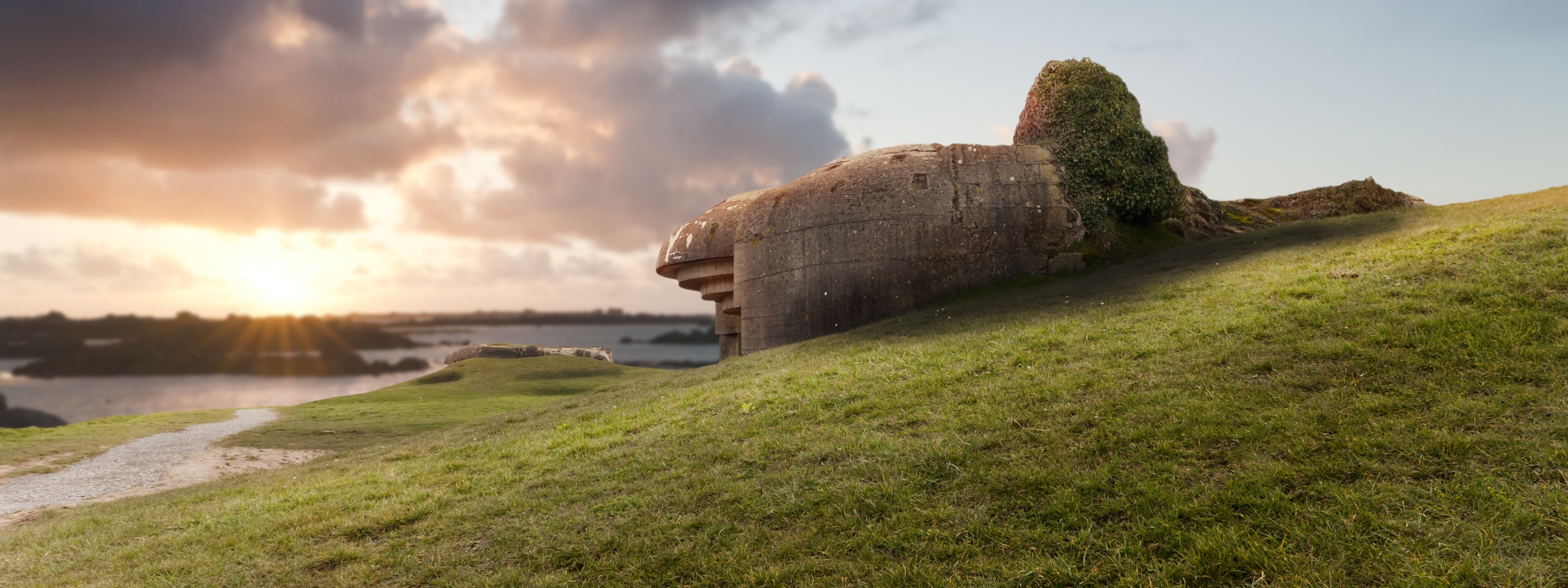
Discover the German battery of Longues-sur-Mer, a key site of the perfectly preserved Atlantic Wall. Between imposing bunkers and cannons still in place, immerse yourself in the history of the D-Day landings and the Battle of Normandy.
2
Opposite Omaha Beach, in the Fox Green and Easy Red sectors, discover the landing through the eyes of German soldiers before learning all about the American assault.
3
Stop 3
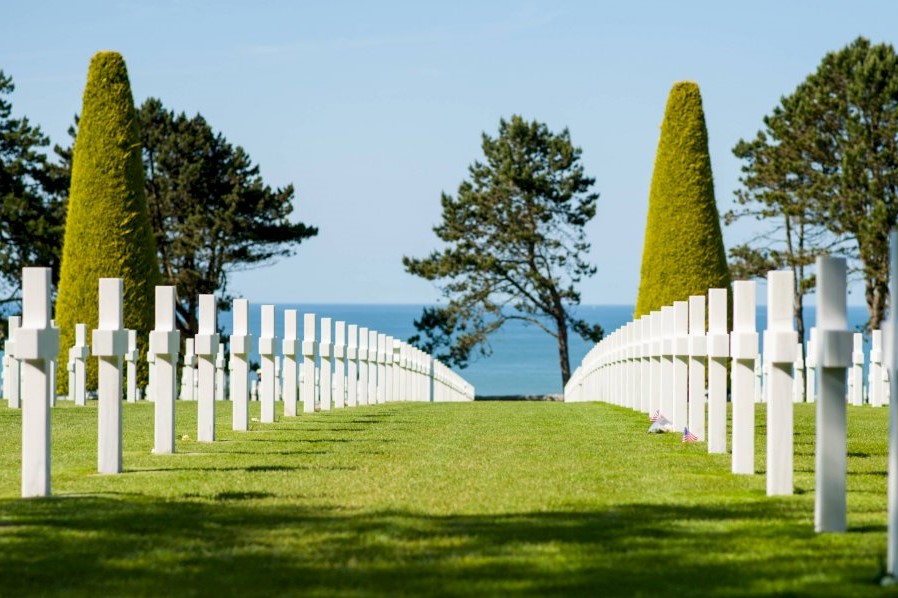
Discover the Colleville-sur-Mer American Cemetery, one of the most emblematic places of the D-Day. Between a garden of remembrance, a memorial and perfect alignments of steles, the visit offers a unique moment of reflection in front of history.
4
In Vierville-sur-Mer, the National Guard monument commemorates the first American soldiers to tread Omaha Beach. An essential stop to understand the crucial role played by these units on June 6, 1944.
5
Stop 5
Discover Pointe du Hoc, a spectacular fortified promontory stormed by American Rangers on June 6, 1944. An emblematic place of the D-Day, marked by its craters, bunkers and impressive panorama.
6
Meal break, free time
7
On Purple Heart Lane, the peaceful landscapes of the marshes contrast with the intensity of the fighting here by American paratroopers. A road that has become a symbol of courage and sacrifice.
8
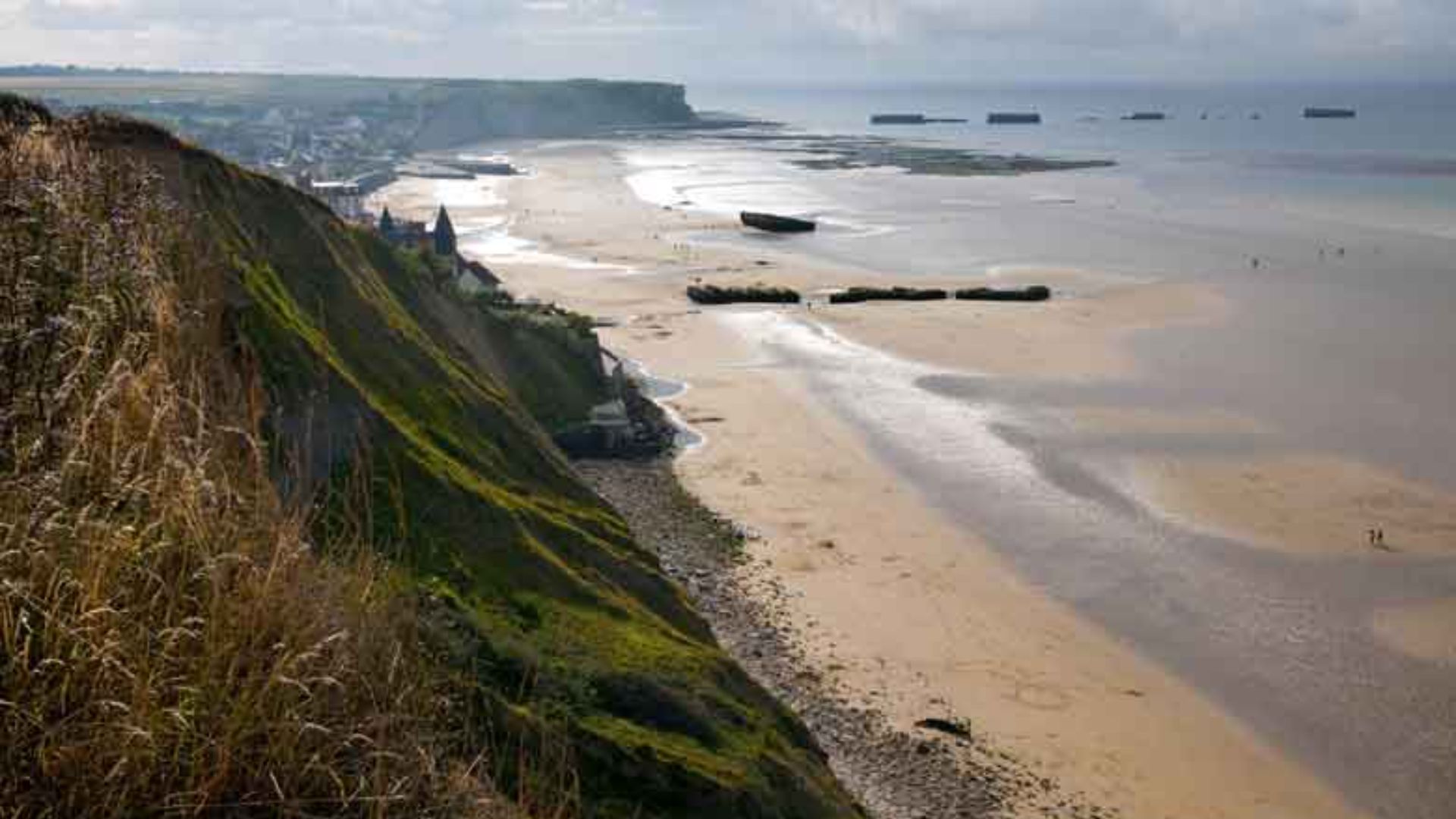
Utah Beach is the second beach in the U.S. sector. Added to the landing plans at the last minute, it was to give a gateway, in Normandy, to the troops of the American 4th Infantry Division, in order to liberate Cherbourg, the only deepwater port on the Cotentin peninsula.
9
Stop 9
Sainte-Mère-Eglise is known worldwide for the assault by American paratroopers of the 82nd and 101st American Airborne Divisions. Some of these men arrived directly at the village square. Discover their stories as you walk the streets.
10
Stop 10
The German cemetery of La Cambe houses the graves of more than 21,000 soldiers who fell in Normandy. A sober and moving place dedicated to the remembrance and memory of all the victims of war.
What's not included
Meals
Available languages
Guide guide
EN
FR
Important information
Suitable for all physical fitness levels
Meeting point
The Guide will be waiting for you in the parking lot of the Battle of Normandy Museum and will be recognizable with a blue coat.
About Bayeux
Bayeux is a charming town in Normandy, France, famous for the Bayeux Tapestry, a medieval embroidery that tells the story of the Norman Conquest of England. The town's well-preserved architecture, rich history, and proximity to the D-Day landing beaches make it a compelling destination for history enthusiasts and cultural travelers.
Top Attractions
Bayeux Tapestry
A 70-meter-long embroidered cloth depicting the events leading up to the Norman Conquest of England in 1066.
Historical
1-2 hours
€12
Bayeux Cathedral
A stunning Gothic cathedral with beautiful stained glass windows and a rich history.
Religious
30-60 minutes
Free (donations welcome)
D-Day Landing Beaches
The site of the Allied landings on June 6, 1944, during World War II.
Historical
Half to full day
Free (museums may charge)
Bayeux War Cemetery
A Commonwealth war cemetery containing the graves of soldiers who died in the D-Day landings and the Battle of Normandy.
Historical
30-60 minutes
Free
Bayeux Museum of Battle of Normandy
A museum dedicated to the Battle of Normandy, with exhibits on the D-Day landings and the subsequent campaign.
Historical
1-2 hours
€8.50
Must-Try Local Dishes
Moules à la Crème Normande
Mussels cooked in a creamy sauce with Norman butter and cider.
Main
Contains seafood and dairy
Tarte Normande
A traditional apple tart with a caramelized top, often served with cream.
Dessert
Contains gluten and dairy
Camembert
A famous Norman cheese made from cow's milk, with a rich and creamy flavor.
Dairy
Contains dairy
Cidre
Norman cider, made from apples grown in the region, often served with meals.
Drink
Alcoholic beverage
Popular Activities
Hiking along the Normandy coastline
Cycling through the countryside
Kayaking on the River Aure
Strolling along the River Aure
Visiting local cider houses
Enjoying the peaceful town center
Visiting the Bayeux Tapestry
Exploring Bayeux Cathedral
Best Time to Visit
June to August
Summer is the peak tourist season with warm weather and numerous festivals. It's the best time for outdoor activities and visiting the D-Day beaches.
15°C to 25°C
59°F to 77°F
Practical Information
Language
- Official: French
- Widely spoken: English, Spanish, German
- English: Moderately spoken
Currency
Euro (EUR)
Time Zone
GMT+1 (CET), GMT+2 (CEST) during daylight saving time
Electricity
230VV, 50HzHz
Safety Information
Overall Safety Rating: Generally safe
Bayeux is generally safe, with low crime rates. However, as with any tourist destination, it's important to be aware of your surroundings and take basic precautions.
Important Precautions:
- • Keep valuables secure
- • Be cautious of pickpockets in crowded areas
- • Use licensed taxis
Getting there
By air
- Normandy-Caen Carpiquet Airport • 25 km from Bayeux
- Deauville-Normandy Airport • 80 km from Bayeux
By train
Bayeux Train Station
By bus
Bayeux Bus Station
Getting around
Public transport
The local bus system is affordable and covers most of the town and nearby areas.
Taxis
Available • Apps:
Rentals
Car, Bike
Neighborhoods
Town Center
Saint-Lô Street
Port de Bayeux
Day trips
Caen
30 km • Half day to full day
A historic city with a rich past, known for its castle, museums, and memorials.
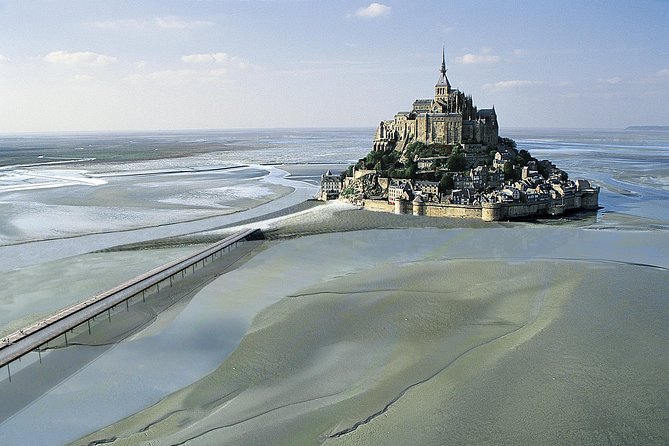
Mont Saint-Michel
100 km • Full day
A stunning island commune with a medieval abbey, known for its unique architecture and tidal surroundings.
Arromanches-les-Bains
15 km • Half day
A coastal town known for its role in the D-Day landings and its museum dedicated to the Normandy landings.
Festivals
D-Day Commemorations • June 6th
Bayeux International Arts Festival • July
Medieval Festival • August
Pro tips
- Visit the Bayeux Tapestry early in the morning to avoid crowds
- Rent a car for flexibility in visiting the D-Day beaches and other nearby attractions
- Try local specialties like Norman cider and Camembert cheese
- Explore the town's medieval streets and hidden courtyards
- Check for local festivals and events during your visit
Get Price
per person
Price varies by option
Secure booking
Free cancellation available
Instant confirmation