Cultural Journey Through Quanzhou: Xunpu Village & Historic Sites
Active
8h - 9h
For a full refund, cancel at least 24 hours before the scheduled departure time.
Instant confirmation
Mobile or paper ticket accepted
About this experience
Explore Quanzhou’s rich heritage on this tour, starting at Xunpu Village. Discover the unique mix of ancient Arab and Han traditions through the village's famous oyster shell houses. Visit the impressive Kaiyuan Temple, the largest Buddhist site in Fujian. Enjoy panoramic views from the West Street Observation Deck before wandering the historic street to taste local delicacies. Conclude your day at the Southern Shaolin Temple, where you will witness a spectacular Southern Shaolin Kung Fu performance.
- Discover the unique blend of Arab and Han cultures at Xunpu Village
- Visit Kaiyuan Temple, the largest Buddhist temple in Fujian Province
- Enjoy panoramic views from West Street Observation Deck
- Sample local delicacies on Quanzhou’s oldest historic street
- Watch a dynamic Southern Shaolin martial arts performance at the historic temple
Available options
Cultural Journey Through Quanzhou: Xunpu Village & Historic Sites
Pickup included
What's included
English Speaking Tour Guide
Private Car
Detailed itinerary
1
Nestled gently by Quanzhou Bay, Xunpu Village is a hidden gem that harbors the legacy of ancient Arab merchants. Through centuries of intermarriage with local Han communities, a unique tapestry of cultures has been woven into its daily life, preserving faint echoes of Central Asian charm. The most striking relics are the oyster shell houses—layer upon layer of weathered shells, glowing with a soft, pearlescent luster, a testament to the fishermen’s ingenuity in harmonizing with nature and a living symbol of cross-cultural fusion. Xunpu women, hardworking and bold, wear their romance in their hair: clusters of fresh blossoms adorn their tresses, no makeup needed, embodying the local proverb, “Wear flowers in this life, and be beautiful in the next.” These vibrant blooms, in hues of fiery red, elegant white and bright yellow, are more than decorations—they are a heartfelt ode to life’s simple joys.
2
As the spiritual cornerstone of Quanzhou, Kaiyuan Temple stands as a magnificent relic along China’s southeast coast and the largest Buddhist temple in Fujian Province. Stepping through its gates, one is wrapped in an atmosphere of serenity: towering halls with upturned eaves reach for the sky, curling incense drifts on the breeze, and soft Buddhist chants linger in the air, calming the mind and inviting visitors to bow in prayer for peace. This millennium-old sanctuary has witnessed Quanzhou’s glory as a starting point of the Maritime Silk Road, and its legacy is enshrined in numerous honors—provincial cultural relic protection unit in 1962, national key cultural relic protection unit and national key Buddhist temple in 1983, and one of Fujian’s Top 10 Scenic Spots in 1986, each title a tribute to its profound historical and cultural value.
3
Known as the “timeless artery” of Quanzhou, West Street has been a symbol of prosperity since the Song Dynasty. As one of the city’s earliest developed districts and its best-preserved ancient block, it is a living museum of Quanzhou’s past. The bluestone pavement, polished smooth by centuries of footsteps, flanks well-preserved ancient mansions, arcades and time-honored shops, their upturned eaves and black tiles whispering stories of days gone by. Wandering here, the air is filled with the aroma of local delicacies—glutinous rice dumplings and vermicelli soup—while the sounds of vendors’ calls and tourists’ laughter blend harmoniously. It is a place where the past lingers not as a relic, but as a living, breathing part of daily life.
4
Located in Quanzhou, the Southern Shaolin Temple is renowned as the historic birthplace of Southern Kung Fu. Unlike the acrobatic Northern style, this temple is famous for "Nanquan"—a style emphasizing explosive hand techniques and stable stances.
The highlight of any visit is the breathtaking martial arts performance by the warrior monks. Spectators can witness legendary skills such as One-Finger Zen (standing upside down on a single finger) and Iron Body demonstrations, where monks break wooden staffs over their bare skin without injury. It is a stunning fusion of Zen philosophy and physical mastery.
What's not included
Gratuities
Personal Expenses
Meals
Southern Shaolin Kung Fu Show (158 CNY per person, Paid on-site)
Available languages
Guide guide
CMN
EN
Important information
Public transportation options are available nearby
Not recommended for pregnant travelers
Suitable for all physical fitness levels
Not recommended for travelers under 1 year old
About Xiamen
Xiamen is a coastal city known for its beautiful islands, lush greenery, and rich cultural heritage. Often referred to as the 'Garden on the Sea,' it offers a blend of modern urban life and traditional charm, making it a unique and appealing destination for travelers.
Top Attractions
Gulangyu Island
Gulangyu Island is a car-free island known for its colonial architecture, beautiful beaches, and rich history. It is a UNESCO World Heritage Site and offers a peaceful retreat from the bustling city.
Historical/Cultural/Beach
Half day to full day
Free (entry to the island), attractions may have separate fees
Nanputuo Temple
Nanputuo Temple is one of the most famous Buddhist temples in China, known for its beautiful architecture and serene atmosphere. It is a significant cultural and religious site.
Religious/Historical
2-3 hours
Free (donations welcome)
Zeng Cuo An (Zeng's Ancient Residence)
Zeng Cuo An is a well-preserved ancient residence showcasing traditional Fujian architecture and the lifestyle of the wealthy merchant class during the Ming and Qing dynasties.
Historical/Cultural
1-2 hours
30 RMB
Xiamen University
Xiamen University is one of the most prestigious universities in China, known for its beautiful campus and rich academic heritage. The campus is a popular tourist attraction due to its stunning architecture and scenic views.
Cultural/Historical
1-2 hours
Free (donations welcome)
Hulishan Fortress
Hulishan Fortress is a historic military fort built during the Ming Dynasty to defend against pirates. It offers a glimpse into Xiamen's military history and provides stunning views of the coast.
Historical/Military
2-3 hours
30 RMB
Must-Try Local Dishes
Buddha Jumps Over the Wall
A luxurious seafood stew made with various ingredients like abalone, shark fin, and mushrooms, slow-cooked for hours to create a rich and flavorful broth.
Dinner
Contains seafood and meat, not suitable for vegetarians or vegans.
Oyster Omelette
A popular street food made with fresh oysters, eggs, and a starchy broth, cooked to a crispy texture.
Snack
Contains seafood, not suitable for vegetarians or vegans.
E-Fu Noodles
A traditional Fujian noodle dish made with thick, chewy noodles, topped with a rich, savory sauce and various ingredients like pork, shrimp, and vegetables.
Lunch/Dinner
Can be made vegetarian or vegan upon request.
Litchi
A sweet, juicy fruit native to Fujian, often enjoyed fresh or in various desserts and beverages.
Dessert/Drink
Naturally sweet, suitable for vegetarians and vegans.
Popular Activities
Hiking in Wuyi Mountain
Kayaking and water sports in Gulangyu Island
Exploring the Tulou of Fujian
Tea tasting at local tea houses
Strolling along the coastal promenade
Enjoying a spa or massage treatment
Visiting historic sites and temples
Attending local festivals and events
Best Time to Visit
October to December
This period offers pleasant weather with cool temperatures and minimal rainfall, making it ideal for outdoor activities and sightseeing.
15°C to 25°C
59°F to 77°F
Practical Information
Language
- Official: Chinese (Mandarin)
- Widely spoken: Fujianese (Hokkien), English (limited)
- English: Limited
Currency
Renminbi (RMB) (CNY)
Time Zone
GMT+8
Electricity
220VV, 50HzHz
Safety Information
Overall Safety Rating: Generally safe
Xiamen is generally a safe city for travelers, with low crime rates and a welcoming atmosphere. However, as with any destination, it is essential to take precautions and be aware of your surroundings to ensure a safe and enjoyable trip.
Important Precautions:
- • Keep your valuables secure and be aware of your surroundings, especially in crowded areas and on public transportation.
- • Use licensed taxis or ride-hailing apps like Didi to avoid overcharging and ensure a safe and reliable ride.
- • Be cautious when shopping for souvenirs and local crafts, and only purchase from reputable vendors to avoid fake or counterfeit goods.
Getting there
By air
- Xiamen Gaoqi International Airport • 15 km from city center
By train
Xiamen Railway Station, Xiamen North Railway Station
By bus
Xiamen North Bus Station, Xiamen South Bus Station
Getting around
Public transport
The metro system is efficient, clean, and easy to navigate. It consists of multiple lines connecting key areas of the city.
Taxis
Available • Apps: Didi
Rentals
Car, Bike, Scooter
Neighborhoods
Siming District
Huli District
Gulangyu Island
Jimei District
Day trips
Tulou of Fujian
100-150 km from Xiamen • Full day
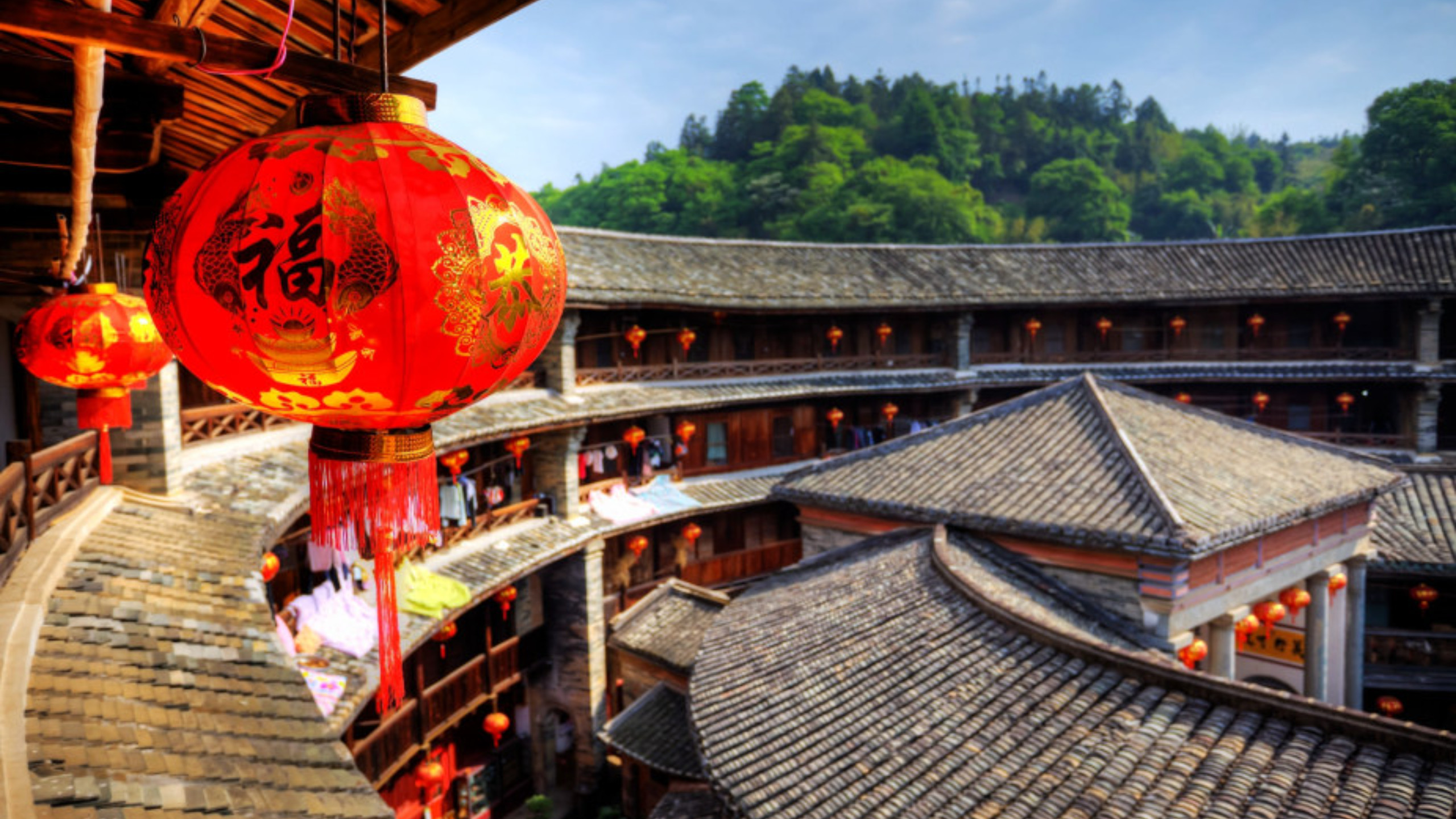
The Tulou are ancient earthen buildings unique to Fujian Province, known for their circular or rectangular shape and fortified design. They are a UNESCO World Heritage Site and offer a glimpse into the region's rich history and culture.
Wuyi Mountain
200 km from Xiamen • Full day to overnight
Wuyi Mountain is a UNESCO World Heritage Site known for its stunning landscapes, waterfalls, and diverse wildlife. It is a popular destination for hiking, nature walks, and scenic photography.
Quanzhou
100 km from Xiamen • Full day
Quanzhou is a historic city known for its rich cultural heritage, ancient architecture, and maritime history. It is a popular destination for history and culture enthusiasts.
Festivals
Xiamen International Music Festival • November
Xiamen International Marathon • January
Chinese New Year • January or February (lunar calendar)
Pro tips
- Learn a few basic phrases in Mandarin or Fujianese to enhance your experience and connect with locals.
- Explore the city's lesser-known neighborhoods and attractions to discover hidden gems and unique experiences.
- Try local street food and snacks, such as oyster omelettes, shrimp rolls, and grilled seafood, for an authentic and delicious culinary experience.
- Visit during the off-peak season, such as January to February or June to September, to avoid crowds and enjoy lower prices on accommodations and attractions.
- Use public transportation, such as buses and metro, to get around the city and reduce your carbon footprint.
Get Price
per person
Price varies by option
Secure booking
Free cancellation available
Instant confirmation