Xiamen Zhang Zhou Tulou Cluster Cultural Exploration Day Tour
Active
8h - 9h
For a full refund, cancel at least 24 hours before the scheduled departure time.
Instant confirmation
Mobile or paper ticket accepted
About this experience
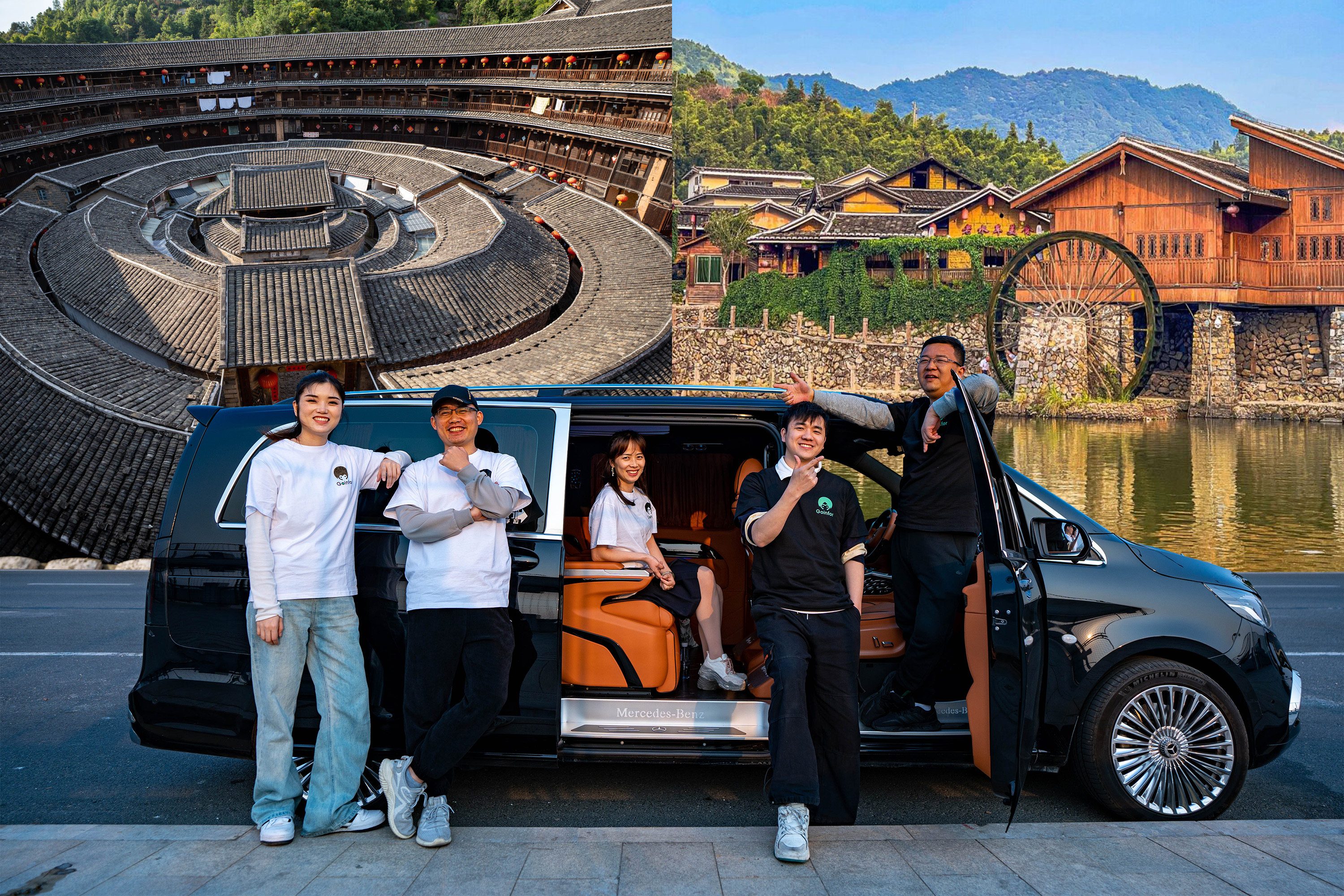
Discover the rich cultural heritage and stunning landscapes of southern Fujian on this private day trip from Xiamen. Begin your journey to Yunshuiyao Ancient Town, where ancient banyan trees and serene streams set the scene for exploration. Visit the tall Hegui Building and the unique Yin-Yang Wells, marvel at the artistry within Huaiyuan Building, and enjoy complimentary access to the Tulou Museum for an insightful look into Hakka life. Optional handcraft experiences allow you to engage with local traditions, while the choice of exciting destinations such as Zhangzhou Ancient City, the iconic Tianluokeng Tulou Cluster or Yongding Gaobei Tulou Cluster offers a deeper dive into this fascinating region.
- Private car transport from Xiamen for a comfortable journey
- Explore Yunshuiyao Ancient Town and its historical tulous
- Hands-on cultural experiences in traditional Hakka crafts
- Choose from three diverse cultural destinations to enhance your visit
Available options
Yunshuiyao+Zhangzhou City Tour
Optional Activities: ICH tulou handcraft Experience + Nanyin Performance in Zhangzhou Ancient City<br/>English Speaking Tour Guide<br/>Duration: 1 day<br/>Route A: Yunshuiyao Ancient town+ Hegui Building+ Huaiyuan Building+ Zhangzhou Ancient City<br/>Private Car<br/>Pickup included
Double Tulou tours
ICH tulou handcraft experience<br/>English Speaking Tour Guide<br/>Duration: 1 day<br/>Route B: 1.Yunshuiyao ancient town+Hegui Building+Huaiyuan Building
2.Choose either Tianluokeng or Yongding Tulou Clusters to visit<br/>Private Car<br/>Pickup included
What's included
Entrance fee of Tulou cluster
English Speaking Tour Guide
Private Car
Detailed itinerary
1
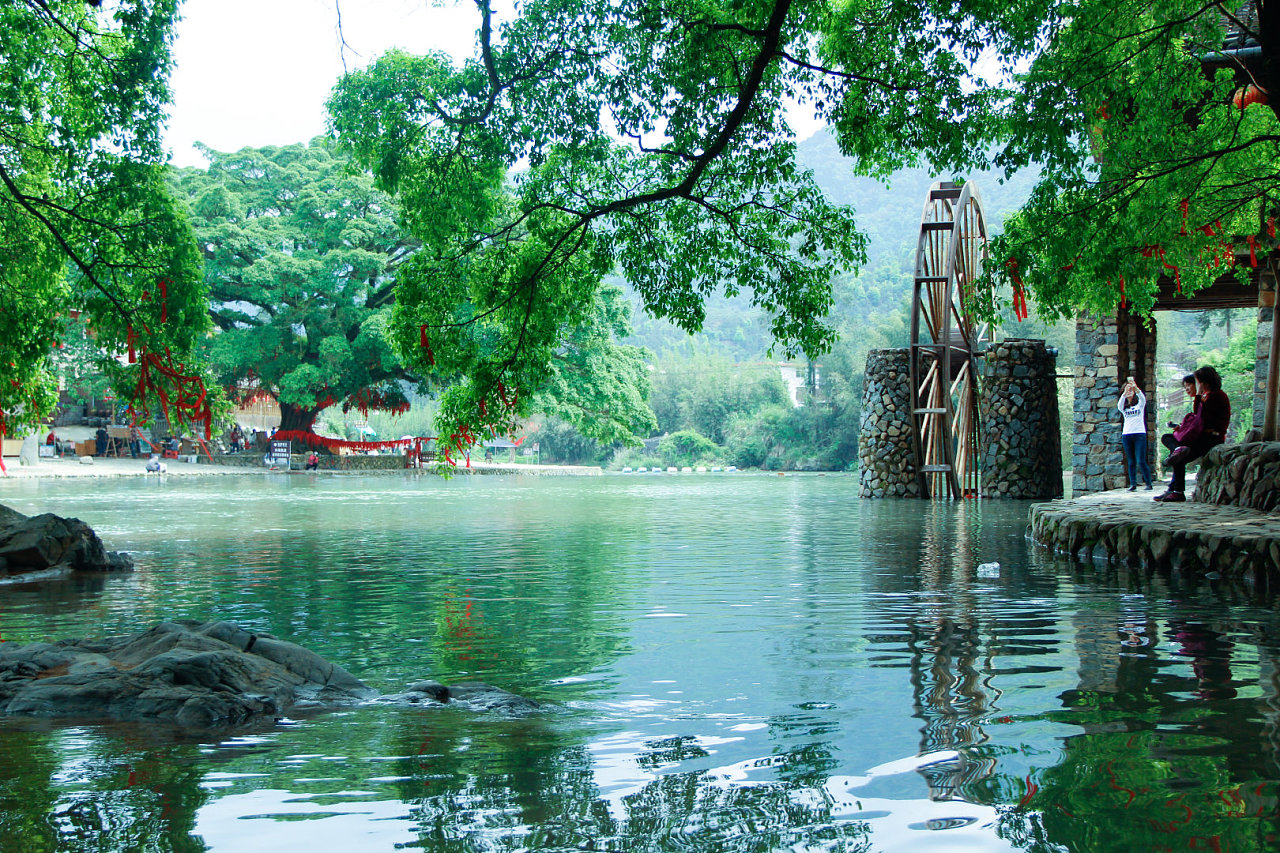
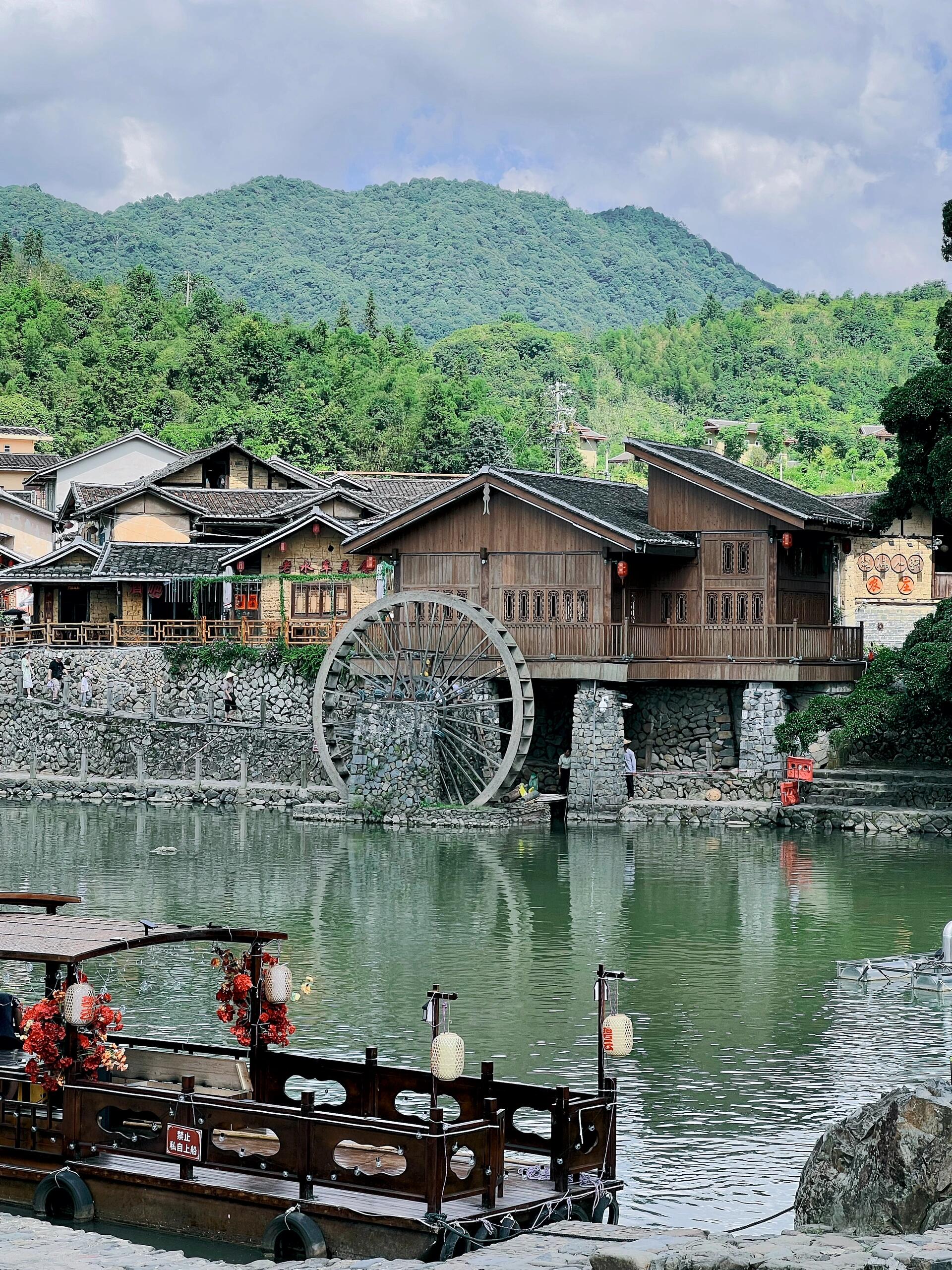
A poetic haven nestled in southern Fujian’s countryside, Yunshuiyao Ancient Town captivates with its time-honored charm. The smooth cobblestone road, polished by centuries of footsteps, winds through the idyllic landscape, flanked by towering thousand-year-old banyan trees and gurgling streams. As the filming location of the movie "Yunshuiyao", the town exudes an ethereal tranquility, where every rustle of leaves and murmur of water seems to whisper stories of bygone eras, blending pastoral beauty with profound nostalgia.
2
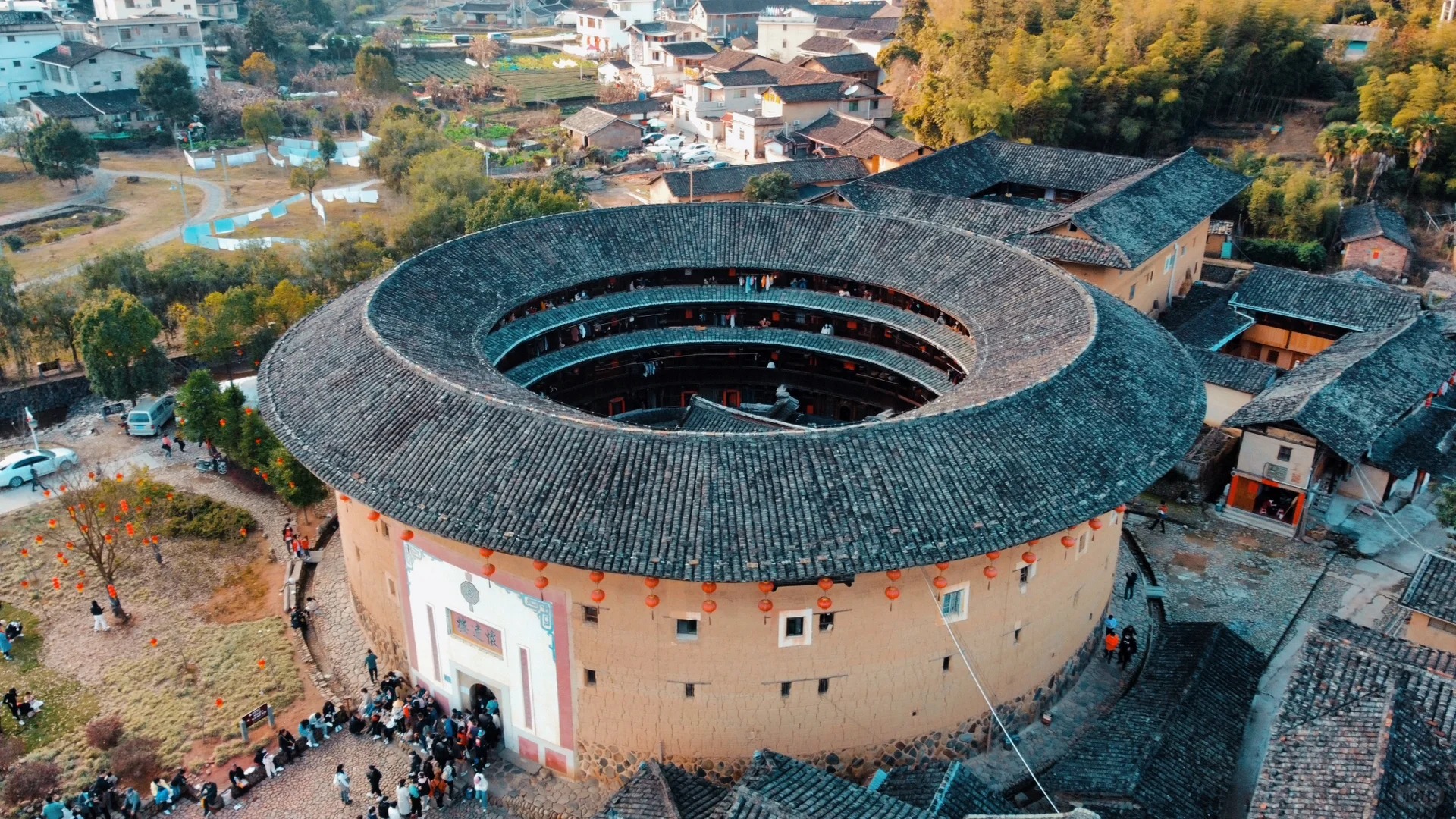
Known as the tallest tulou in Nanjing County, Hegui Building is a marvel of ancient engineering. Built atop a swamp, it stands firm for centuries thanks to over 200 pine piles driven deep into the mire as its foundation. Inside, the fascinating "Yin-Yang Wells"—one crystal clear, the other turbid—defy scientific explanation, adding a touch of mystery to this architectural gem. More than a residence, it embodies the Hakka virtue of harmony, standing as a silent witness to the clan’s enduring spirit.
3
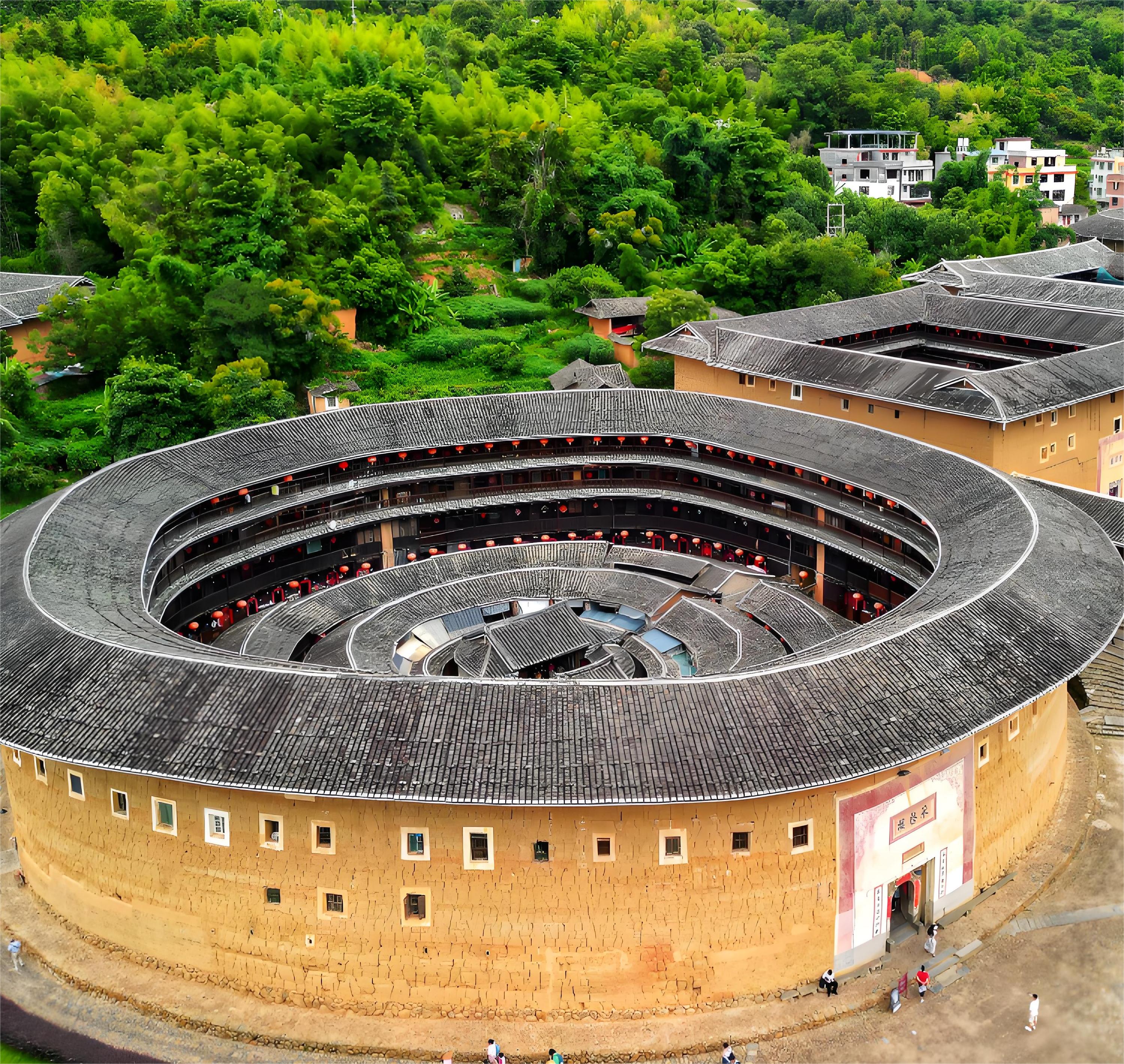
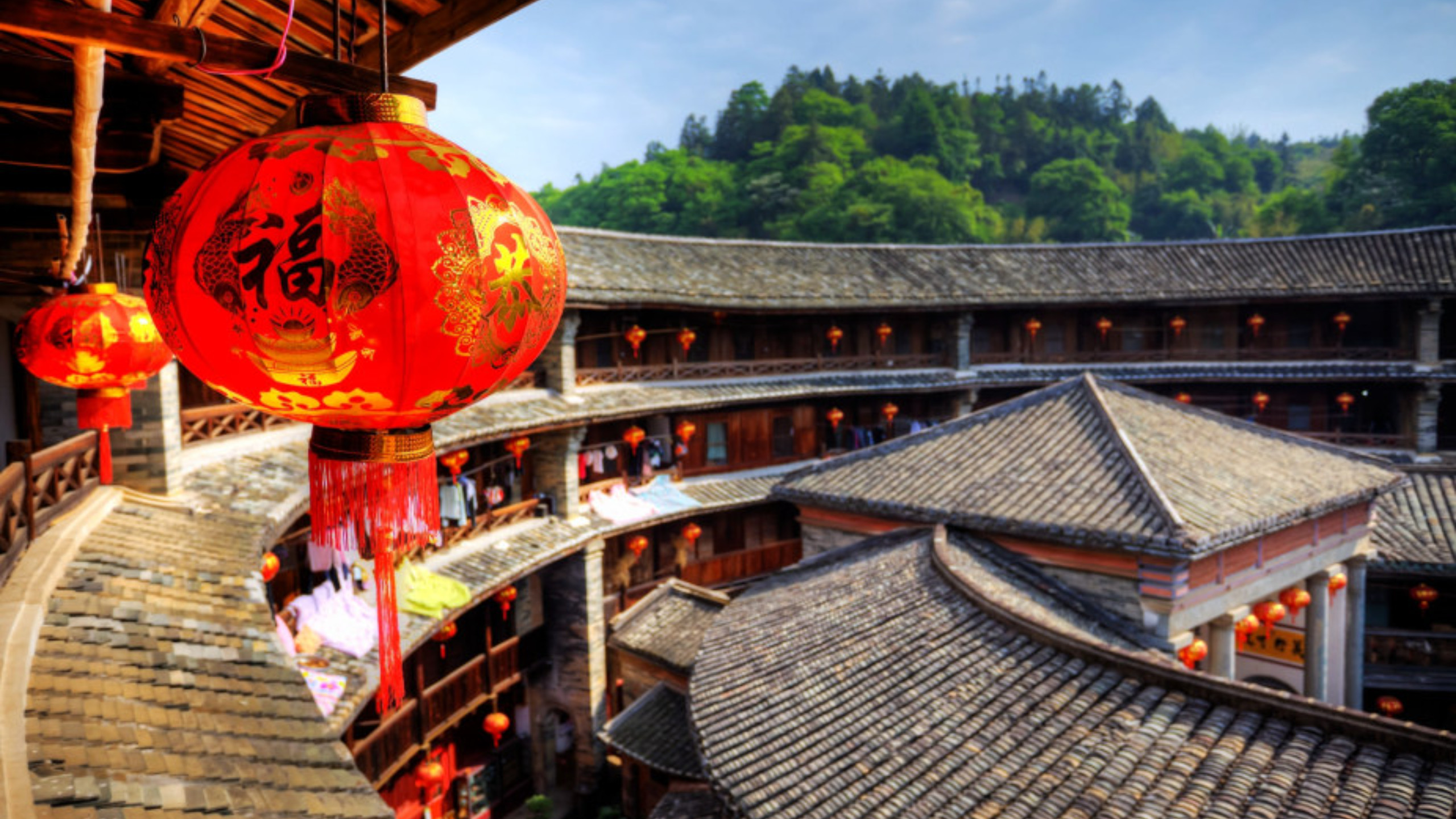
A masterpiece of tulou craftsmanship, Huaiyuan Building is an exquisitely designed double-ring circular tulou. Its soul lies in the "Sishi Room", the ancestral hall at the core of the inner courtyard, adorned with intricate wood carvings that depict traditional Hakka family mottos. Every detail, from the symmetrical structure to the delicate decorations, reflects the Hakka people’s reverence for heritage and pursuit of elegance, making it a living showcase of Hakka culture.
4
A millennium-old gem nestled in the heart of southern Fujian, Zhangzhou Ancient City perfectly preserves the street pattern dating back to the Tang and Song dynasties and the original Minnan style. Bluestone-paved roads meander through the town, where arcade buildings, ancient residences and time-honored shops stand side by side, exuding a vibrant atmosphere of daily life amid curling cooking smoke. It is not only a living museum of Minnan architecture, but also a paradise for foodies and intangible cultural heritage lovers. Here, you can wander along the Ming and Qing ancient streets to explore historical relics, savor authentic local snacks like hand-held noodles, and encounter intangible cultural heritage performances such as bag puppet shows. You can also opt for a paid professional Nanyin performance, immersing yourself in the melodious tunes of this "living fossil of Chinese music", and embracing the gentle blend of thousands of years of history and modern daily life.
5
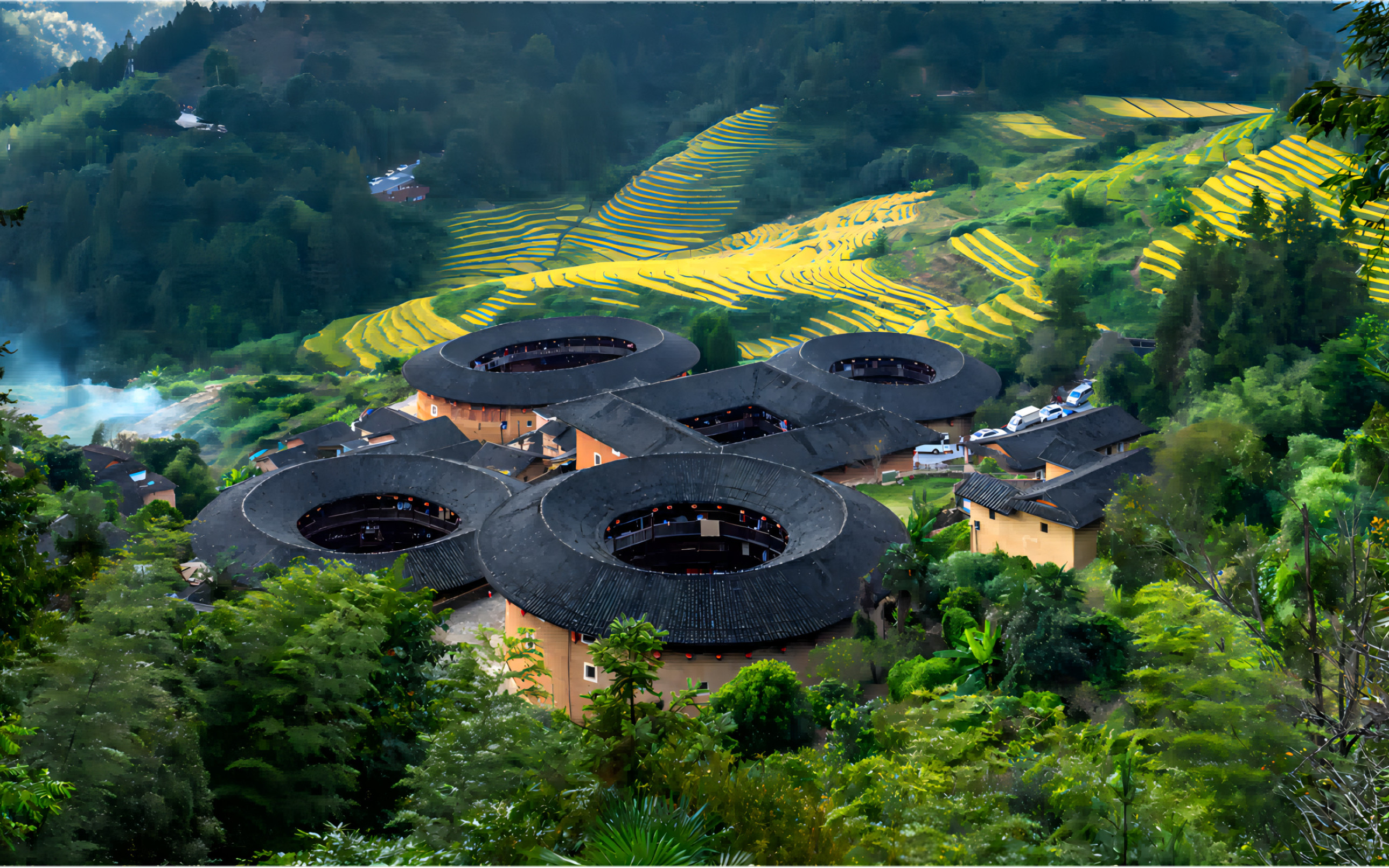
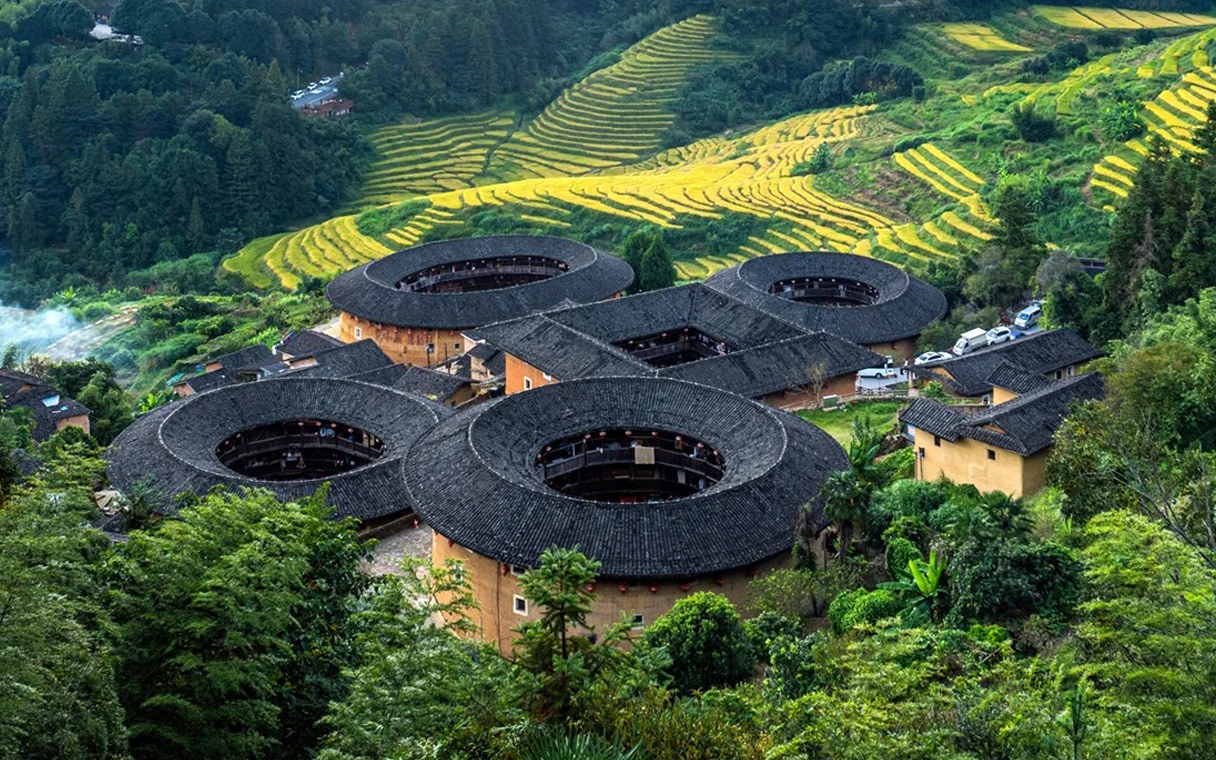
Famous for its iconic "four dishes and one soup" layout, Tianluokeng Tulou Cluster is a visual spectacle set against green mountains and clear waters. A square Buyun Building stands in the center, surrounded by four circular tulous, forming a harmonious and striking landscape. Nearby, Yuchang Building—known as the "Crooked Building"—boasts tilted wooden pillars above the third floor yet has withstood earthquakes for over 600 years, a testament to ancient architectural ingenuity.
6
Home to two of the most renowned tulous, Yongding Tulou Cluster is a treasure trove of Hakka architecture. Zhencheng Building, the "Prince of Tulou", seamlessly blends Chinese and Western styles, featuring exquisite carvings and a sophisticated Bagua layout. Chengqi Building, the "King of Tulou", is a grand structure with a 73-meter diameter and four concentric rings of houses, capable of accommodating over 1,000 people, perfectly embodying the Hakka tradition of clan communal living.
What's not included
Meals
Gratuities
Intangible cultural heritage tulou handcraft experiences
Entrance fee of Nanyin Performance in Zhangzhou Ancient City
Available languages
Guide guide
CMN
EN
Important information
Public transportation options are available nearby
Not recommended for pregnant travelers
Suitable for all physical fitness levels
Not recommended for travelers under 1 year
About Xiamen
Xiamen is a coastal city known for its beautiful islands, lush greenery, and rich cultural heritage. Often referred to as the 'Garden on the Sea,' it offers a blend of modern urban life and traditional charm, making it a unique and appealing destination for travelers.
Top Attractions
Gulangyu Island
Gulangyu Island is a car-free island known for its colonial architecture, beautiful beaches, and rich history. It is a UNESCO World Heritage Site and offers a peaceful retreat from the bustling city.
Historical/Cultural/Beach
Half day to full day
Free (entry to the island), attractions may have separate fees
Nanputuo Temple
Nanputuo Temple is one of the most famous Buddhist temples in China, known for its beautiful architecture and serene atmosphere. It is a significant cultural and religious site.
Religious/Historical
2-3 hours
Free (donations welcome)
Zeng Cuo An (Zeng's Ancient Residence)
Zeng Cuo An is a well-preserved ancient residence showcasing traditional Fujian architecture and the lifestyle of the wealthy merchant class during the Ming and Qing dynasties.
Historical/Cultural
1-2 hours
30 RMB
Xiamen University
Xiamen University is one of the most prestigious universities in China, known for its beautiful campus and rich academic heritage. The campus is a popular tourist attraction due to its stunning architecture and scenic views.
Cultural/Historical
1-2 hours
Free (donations welcome)
Hulishan Fortress
Hulishan Fortress is a historic military fort built during the Ming Dynasty to defend against pirates. It offers a glimpse into Xiamen's military history and provides stunning views of the coast.
Historical/Military
2-3 hours
30 RMB
Must-Try Local Dishes
Buddha Jumps Over the Wall
A luxurious seafood stew made with various ingredients like abalone, shark fin, and mushrooms, slow-cooked for hours to create a rich and flavorful broth.
Dinner
Contains seafood and meat, not suitable for vegetarians or vegans.
Oyster Omelette
A popular street food made with fresh oysters, eggs, and a starchy broth, cooked to a crispy texture.
Snack
Contains seafood, not suitable for vegetarians or vegans.
E-Fu Noodles
A traditional Fujian noodle dish made with thick, chewy noodles, topped with a rich, savory sauce and various ingredients like pork, shrimp, and vegetables.
Lunch/Dinner
Can be made vegetarian or vegan upon request.
Litchi
A sweet, juicy fruit native to Fujian, often enjoyed fresh or in various desserts and beverages.
Dessert/Drink
Naturally sweet, suitable for vegetarians and vegans.
Popular Activities
Hiking in Wuyi Mountain
Kayaking and water sports in Gulangyu Island
Exploring the Tulou of Fujian
Tea tasting at local tea houses
Strolling along the coastal promenade
Enjoying a spa or massage treatment
Visiting historic sites and temples
Attending local festivals and events
Best Time to Visit
October to December
This period offers pleasant weather with cool temperatures and minimal rainfall, making it ideal for outdoor activities and sightseeing.
15°C to 25°C
59°F to 77°F
Practical Information
Language
- Official: Chinese (Mandarin)
- Widely spoken: Fujianese (Hokkien), English (limited)
- English: Limited
Currency
Renminbi (RMB) (CNY)
Time Zone
GMT+8
Electricity
220VV, 50HzHz
Safety Information
Overall Safety Rating: Generally safe
Xiamen is generally a safe city for travelers, with low crime rates and a welcoming atmosphere. However, as with any destination, it is essential to take precautions and be aware of your surroundings to ensure a safe and enjoyable trip.
Important Precautions:
- • Keep your valuables secure and be aware of your surroundings, especially in crowded areas and on public transportation.
- • Use licensed taxis or ride-hailing apps like Didi to avoid overcharging and ensure a safe and reliable ride.
- • Be cautious when shopping for souvenirs and local crafts, and only purchase from reputable vendors to avoid fake or counterfeit goods.
Getting there
By air
- Xiamen Gaoqi International Airport • 15 km from city center
By train
Xiamen Railway Station, Xiamen North Railway Station
By bus
Xiamen North Bus Station, Xiamen South Bus Station
Getting around
Public transport
The metro system is efficient, clean, and easy to navigate. It consists of multiple lines connecting key areas of the city.
Taxis
Available • Apps: Didi
Rentals
Car, Bike, Scooter
Neighborhoods
Siming District
Huli District
Gulangyu Island
Jimei District
Day trips
Tulou of Fujian
100-150 km from Xiamen • Full day
The Tulou are ancient earthen buildings unique to Fujian Province, known for their circular or rectangular shape and fortified design. They are a UNESCO World Heritage Site and offer a glimpse into the region's rich history and culture.
Wuyi Mountain
200 km from Xiamen • Full day to overnight
Wuyi Mountain is a UNESCO World Heritage Site known for its stunning landscapes, waterfalls, and diverse wildlife. It is a popular destination for hiking, nature walks, and scenic photography.
Quanzhou
100 km from Xiamen • Full day
Quanzhou is a historic city known for its rich cultural heritage, ancient architecture, and maritime history. It is a popular destination for history and culture enthusiasts.
Festivals
Xiamen International Music Festival • November
Xiamen International Marathon • January
Chinese New Year • January or February (lunar calendar)
Pro tips
- Learn a few basic phrases in Mandarin or Fujianese to enhance your experience and connect with locals.
- Explore the city's lesser-known neighborhoods and attractions to discover hidden gems and unique experiences.
- Try local street food and snacks, such as oyster omelettes, shrimp rolls, and grilled seafood, for an authentic and delicious culinary experience.
- Visit during the off-peak season, such as January to February or June to September, to avoid crowds and enjoy lower prices on accommodations and attractions.
- Use public transportation, such as buses and metro, to get around the city and reduce your carbon footprint.
Get Price
per person
Price varies by option
Secure booking
Free cancellation available
Instant confirmation