Day in Kusu An Experience Through Rural Japan
Active
5h - 7h
For a full refund, cancel at least 24 hours before the scheduled departure time.
Manual confirmation
Mobile or paper ticket accepted
About this experience
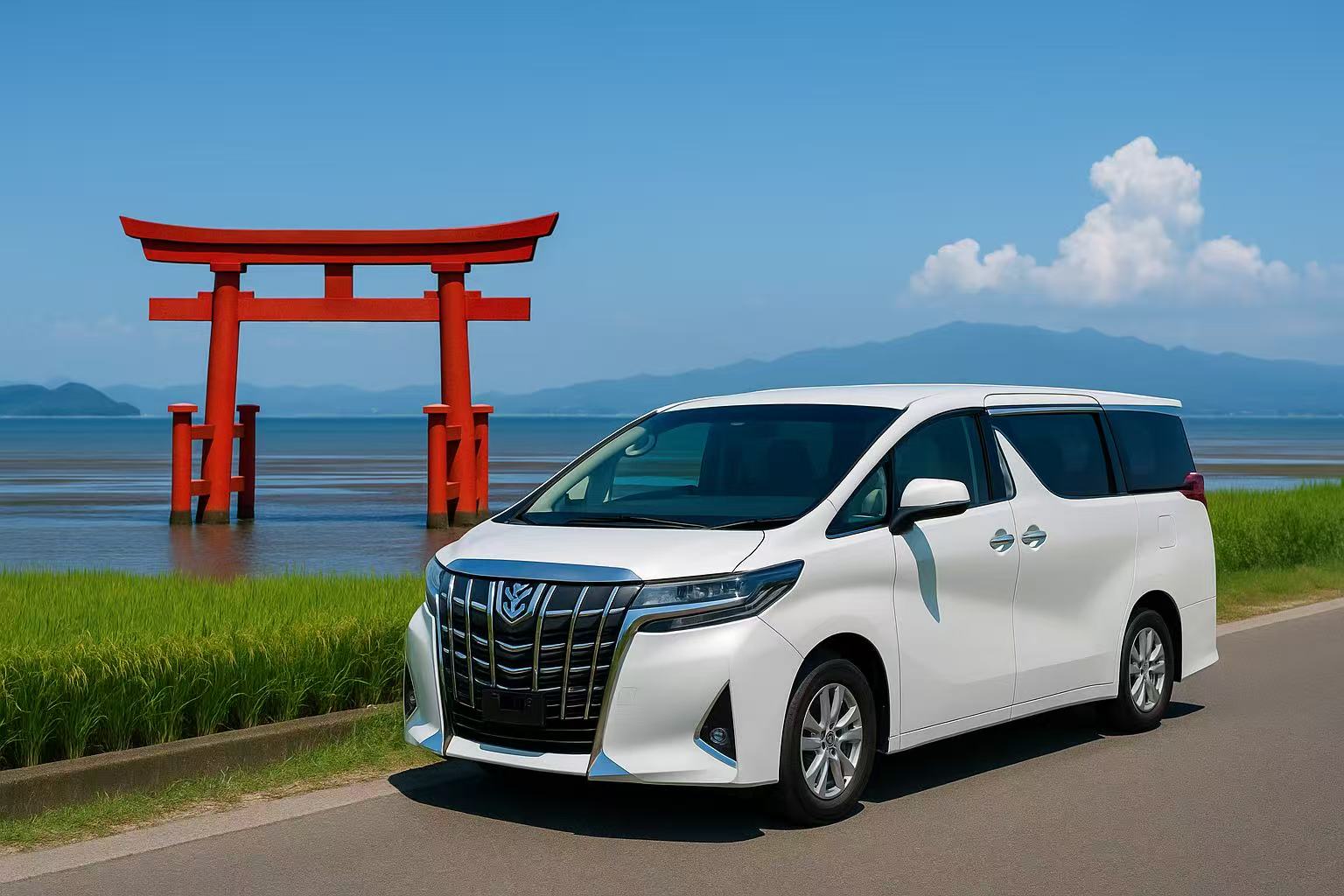
Experience Japan's hidden gem where steam railway heritage, samurai history, and mountain beauty converge in one unforgettable day. From exploring Kyushu's last roundhouse to sipping tea above the clouds at 360° panoramic views—this is authentic Japan beyond the guidebooks.
Available options
Day in Kusu An Experience Through Rural Japan
What's included
Entrance fee
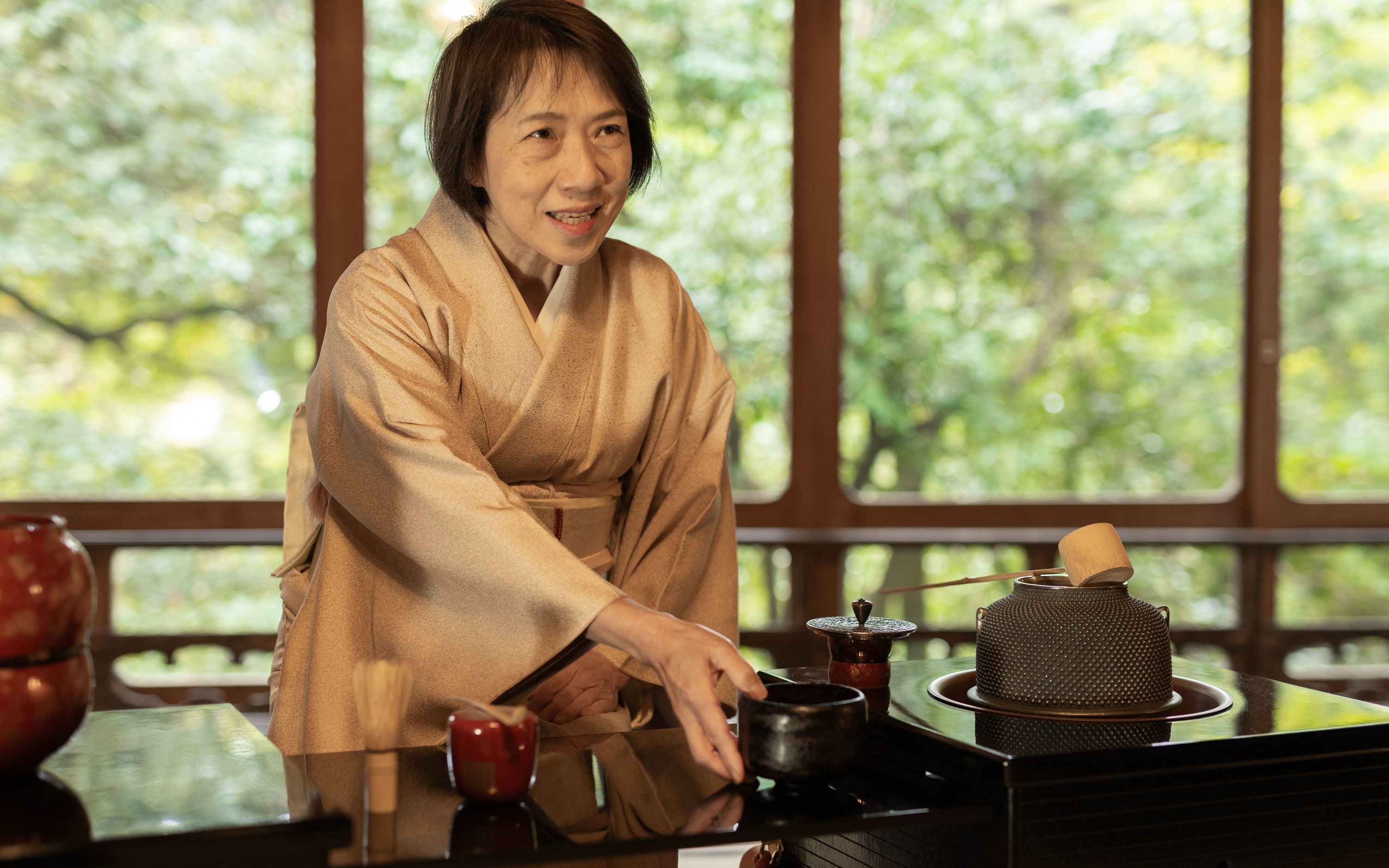
with your favorite sweets from a local dessert shop
English Speaking Guide
Air-conditioned vehicle
All Vehicle Expenses(Fuel, Tolls, Parking)
Detailed itinerary
1
The Bungo-Mori Engine House is Kyushu's only surviving fan-shaped roundhouse, designated as a Site of Modern Industrial Heritage.
Built in 1934 for steam locomotives on the Kyudai Line, this
impressive structure features a distinctive semi-circular design with radiating tracks. Today, visitors can see preserved steam locomotives and the historic turntable up close, offering a fascinating glimpse into Japan's railway golden age.
2
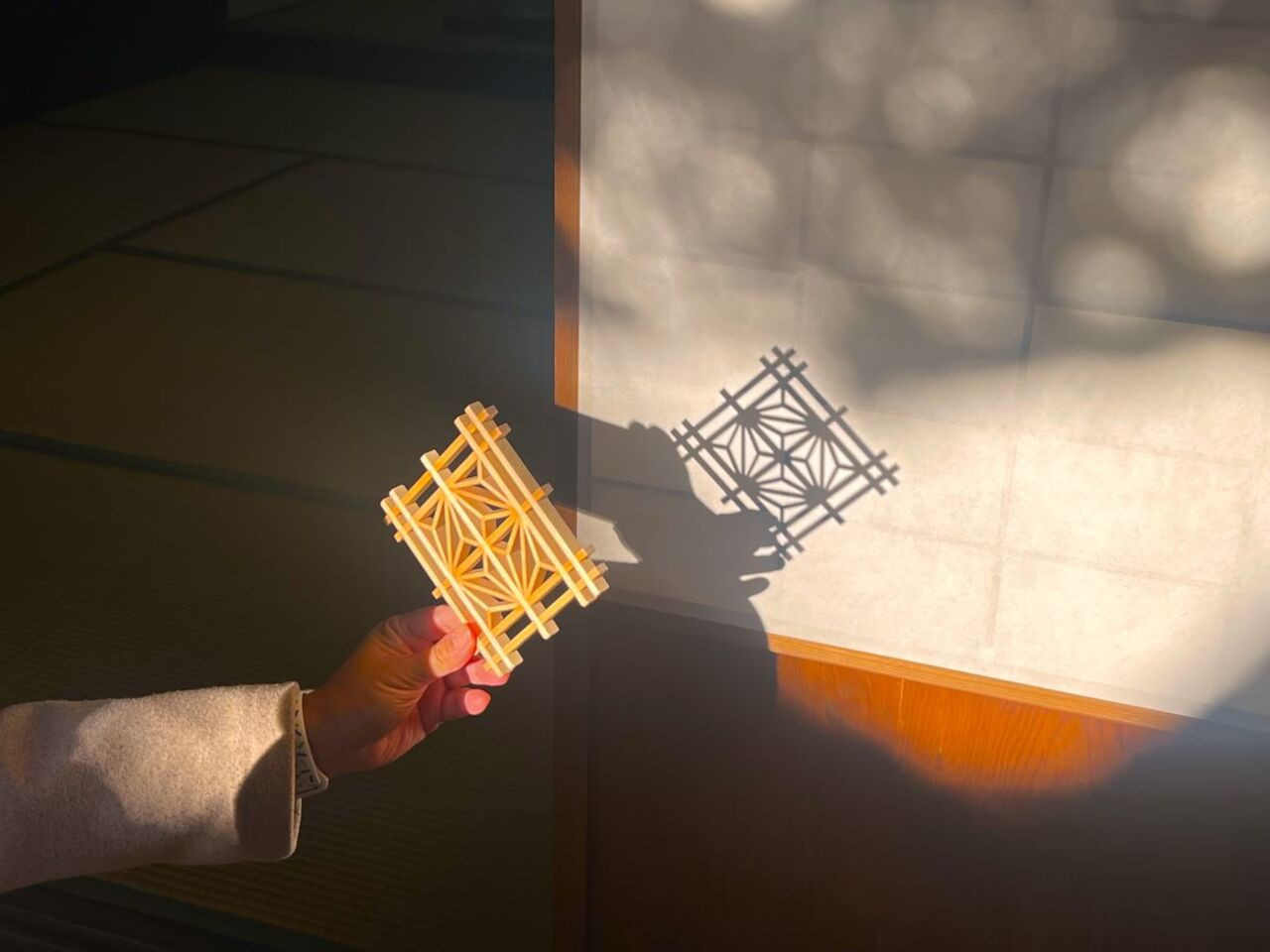
Designed by renowned designer Eiji Mitooka, famous for luxury train "Seven Stars in Kyushu," this charming museum celebrates railway history and local culture. The museum features interactive exhibits, historic railway artifacts, and a cozy children's area with picture books and wooden toys. Visitors can also enjoy hands-on craft activities including origami and plastic plate crafts, making it perfect for families.
3
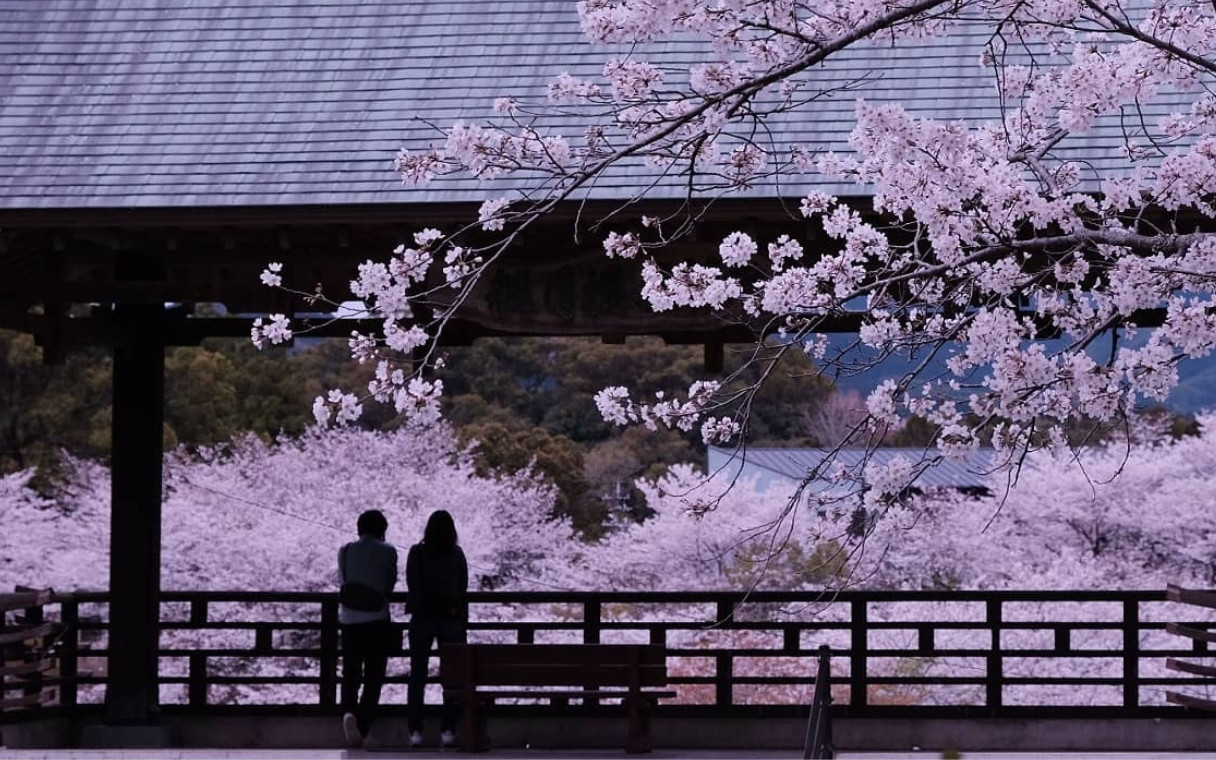
Mishima Park serves as the gateway to Mt. Tsunomure and features beautifully landscaped gardens that are part of the nationally designated "Former Kurushima Family Garden." The park is especially stunning during autumn when vibrant fall foliage transforms the
landscape. As the starting point for hiking trails to Tsunomure Castle ruins, the park offers a perfect blend of natural beauty and historical significance.
4
Perched at 577 meters above sea level, Tsunomure Castle was a strategic mountain fortress built between 1278-1288. The castle played a crucial role during Japan's Warring States period. Today, hikers can explore the remains of the Hon-maru (main bailey), Ni-no-maru (second bailey), and San-no-maru (third bailey), along with impressive stone walls. The mountaintop offers spectacular panoramic views of the Kusu Basin and surrounding mountains.
This experience is designed for guests who enjoy hiking and occasional mountain walks. It is beginner-friendly for active travelers, but not recommended for people who do little to no exercise. The route and pace will be adjusted to your group and the day’s conditions.
5
Suehiro Shrine presents a unique castle-like appearance with its impressive stone walls and the Shimizu-gomon gate. The shrine complex features multiple levels connected by stone staircases, creating a fortress-like atmosphere. Visitors are often surprised to find castle architectural elements in a shrine setting, including
massive water basins and defensive stone arrangements that reflect the area's samurai heritage.
6
The Seiho-ro Pavilion is an elegant two-story wooden structure built in 1821 as part of the Mori Domain's construction projects. Originally called "Momiji-no-Ochaya" (Maple Tea House), this castle tower-inspired building offers a glimpse into Edo-period aristocratic leisure. The pavilion is surrounded by beautiful gardens that form part of the nationally designated Former Kurushima Family Garden, providing a tranquil setting for contemplation and photography.
7
Mori-machi is a picturesque castle town that flourished for 270 years as the center of the Kurushima clan's domain. Walking through its peaceful streets feels like stepping back in time to the Edo period. Visitors can explore historic samurai quarters, admire traditional architecture, and experience the tranquil atmosphere of a well-preserved provincial castle town. Its compact layout makes it ideal for a relaxing stroll through authentic Japanese history.
After this, we'll enjoy local food at a nearby restaurant. The first restaurant option is Kintaro, a restaurant housed in a traditional Japanese house over 100 years old that has been renovated. The menu features popular local Oita specialties like toriten (chicken tempura) and dango jiru (dumpling soup), as well as the restaurant's signature melt-in-your-mouth omelet rice.
If this restaurant is closed or fully booked, we'll have lunch at another restaurant nearby.
8
Mt. Kirikabu (685m) is Kusu's most iconic landmark, named for its distinctive flat-topped "tree stump" shape. The mountain summit features the stylish KIRIKABU HOUSE, designed by Eiji Mitooka, where visitors can enjoy refreshments while taking in breathtaking 360-degree views of the Kusu Basin. The famous "Heidi's Swing"
offers a magical photo opportunity with sweeping mountain vistas.
The panoramic scenery evokes the Swiss Alps, creating an
unforgettable alpine atmosphere in the heart of Kyushu.
9
This roadside station celebrates Kusu's identity as the birthplace of Takehiko Kurushima, known as "Japan's Hans Christian Andersen" and a pioneer of oral storytelling for children. The facility offers fresh local produce, Kusu rice, handmade crafts, and regional specialties. The on-site restaurant serves dishes made with local ingredients, while the bakery offers freshly baked goods.
It's the perfect final stop to pick up authentic souvenirs and
taste the flavors of Kusu before your journey ends.
What's not included
we'll enjoy local food at a nearby restaurant. Please settle the bill.
Personal Expense
Hiking Attire and Gear
Available languages
Guide guide
EN
Important information
Public transportation options are available nearby
Specialized infant seats are available
Not recommended for travelers with spinal injuries
Not recommended for pregnant travelers
Not recommended for travelers with poor cardiovascular health
Suitable for all physical fitness levels
Meeting point
I will pick you up in the arrival hall. The driver will be waiting for you with a sign displaying the lead traveler's name.
About Oita
Oita is a coastal city in southern Japan known for its hot springs, scenic beaches, and rich history. It offers a blend of traditional culture and modern attractions, making it an appealing destination for various types of travelers.
Top Attractions
Usa Jingū
Usa Jingū is one of the most important Shinto shrines in Japan, dedicated to the god Hachiman. It's known for its beautiful architecture, serene atmosphere, and cultural significance.
Religious
2-3 hours
Free (Treasure museum has a fee)
Beppu Onsen
Beppu is one of Japan's most famous hot spring resorts, known for its numerous onsens (hot springs) and unique geothermal features. It's a popular destination for relaxation and wellness.
Nature
Half day to full day
Varies by onsen, from free to several thousand JPY
Oita Marine Palace Aquarium (Umitamago)
Umitamago is one of Japan's largest aquariums, featuring a wide variety of marine life, including dolphins, whales, and penguins. It's a great place for families and marine life enthusiasts.
Museum
2-3 hours
1,600 JPY (adults), 800 JPY (children)
Kunisaki Peninsula
The Kunisaki Peninsula is known for its beautiful landscapes, ancient temples, and hiking trails. It's a great destination for nature lovers and those seeking a peaceful retreat.
Nature
Full day
Free (some attractions may have fees)
Must-Try Local Dishes
Jigoku Mushi
A hot pot dish cooked using the natural heat from Beppu's hot springs. It's typically made with seafood, vegetables, and tofu.
Main Dish
Contains seafood, can be customized for dietary restrictions
Toriten
Fried chicken tempura, a local specialty from Oita. It's crispy on the outside and juicy on the inside, often served with a tangy dipping sauce.
Main Dish
Contains poultry, gluten (in the sauce)
Beppu Beef
Tender and flavorful beef from the Beppu region, often grilled or used in hot pot dishes. It's known for its high quality and marbling.
Main Dish
Contains beef, can be prepared to order
Popular Activities
Hiking in Aso-Kuju National Park
Exploring the Hells of Beppu
Soaking in hot springs
Strolling through Yufuin
Visiting Usa Jingū
Exploring Kurume's samurai district
Swimming at Beppu Beach
Boat tours on the steamy river in Beppu
Best Time to Visit
Spring (March to May) and Autumn (September to November)
These seasons offer pleasant weather, making it ideal for outdoor activities and sightseeing. The cherry blossoms in spring and vibrant foliage in autumn are particularly attractive.
15-25°C
59-77°F
Practical Information
Language
- Official: Japanese
- Widely spoken: English (limited)
- English: Limited
Currency
Japanese Yen (JPY)
Time Zone
GMT+9
Electricity
100VV, 50/60HzHz
Safety Information
Overall Safety Rating: Very safe
Oita is generally a very safe destination for travelers. Crime rates are low, and the city is well-maintained and clean. However, as with any destination, it's important to be aware of your surroundings and take basic precautions to ensure a safe and enjoyable trip.
Important Precautions:
- • Keep valuables secure and out of sight
- • Be cautious when using ATMs, especially at night
- • Use reputable tour operators and taxis
Getting there
By air
- Oita Airport • 40 km from city center
By train
Oita Station
By bus
Oita Station Bus Terminal, Oita Parke
Getting around
Public transport
The bus system is the primary mode of public transportation in Oita, covering most of the city and connecting to major attractions. Buses are frequent and reliable.
Taxis
Available • Apps:
Rentals
Car, Bike, Scooter
Neighborhoods
Oita City Center
Beppu
Usa
Day trips
Aso-Kuju National Park
100 km from Oita • Full day
Aso-Kuju National Park offers stunning landscapes, including the active Aso Volcano, hot springs, and scenic hiking trails. It's a great destination for nature lovers and outdoor enthusiasts.
Yufuin
40 km from Oita • Half day to full day
Yufuin is a picturesque hot spring town known for its beautiful scenery, art galleries, and relaxed atmosphere. It's a popular destination for couples and those seeking a peaceful retreat.
Kurume
60 km from Oita • Half day
Kurume is a historic city known for its well-preserved samurai district, temples, and traditional crafts. It's a great destination for those interested in Japan's history and culture.
Festivals
Usa Jingū Festival • Annual, typically in May
Beppu Hatto Festival • Annual, typically in August
Oita Asaoka Hot Spring Festival • Annual, typically in November
Pro tips
- Try Jigoku Mushi (hot spring cooking) for a unique dining experience
- Visit Usa Jingū early in the morning or late in the afternoon to avoid crowds
- Explore the Hells of Beppu for a unique and colorful geothermal experience
- Stay in a ryokan (traditional inn) for a traditional hot spring experience
- Use an IC card for convenient and discounted public transportation
Get Price
per person
Price varies by option
Secure booking
Free cancellation available


![[Optional Takachiho Boat Ride Experience] Mount Aso, Kusasenri, and Takachiho Gorge Day Tour (from Fukuoka)](https://res.klook.com/image/upload/activities/ez6l69gmky9rnwwhi85m.jpg)
![[Kyushu & Saga Day Trip] Strawberry Picking & Yanagawa River Cruising & Koinojiri Shrine & Tosu Outlet (Departure from Fukuoka)](https://res.klook.com/image/upload/activities/hxr4bkl5oflyte2iz3ki.jpg)
![[Nagoya Departure] Gujo Hachiman Old Castle × Hida Takayama Old Town × Shirakawa-go Gassho Village Day Trip](https://res.klook.com/image/upload/activities/isbahprh3cxbe2qru4ni.jpg)
![[Kyushu Kumamoto Mount Aso Day Trip] Mount Aso Volcano & Kusasenri & Aso Shrine & Mizuki Pilgrimage & All-You-Can-Eat Seasonal Fruits (Departure from Fukuoka)](https://res.klook.com/image/upload/activities/wzzezuikcmzu5fpxzyed.jpg)