Walk Amsterdam with Groovy Tour with History Art and Culture
Active
2h
For a full refund, cancel at least 24 hours before the scheduled departure time.
Instant confirmation
Mobile or paper ticket accepted
About this experience
Step into the groovy side of Amsterdam with a walking tour that uncovers the city’s bold cultural transformations! Groovy Tour takes you through hidden streets, vibrant canals, and multicultural neighborhoods while telling stories of social change, artistic and countercultural movements from the 17th century to the swinging 60s and 70s. Laugh, learn, and explore as lively guides reveal how youth movements, grassroots activism, creative communities, and urban renewal shaped Amsterdam’s modern identity. Unlike standard sightseeing, this experience combines history, art, and playful storytelling to bring the city’s spirit alive. Discover the people, ideas, and neighborhoods that made Amsterdam progressive, open-minded, and endlessly creative. Perfect for curious travelers who want an interactive, memorable, and entertaining adventure, Groovy Tour connects past and present in a fun, insightful, and groovy way.
Available options
Private Tour
Amsterdam Culture & Creativity
What's included
Historic Places and Monuments
Detailed itinerary
1
The UNESCO-listed Canal Belt is the architectural symbol of Amsterdam’s Golden Age prosperity. Built in the 17th century as a carefully planned expansion, these canals housed wealthy merchants whose global trade networks defined the city’s economic power. Over time, the grand canal houses became homes for artists, thinkers, and later creative communities that influenced 20th-century cultural movements. The canals reflect both structured urban planning and centuries of social transformation. Walking along these waterways reveals how wealth, art, civic planning, and evolving lifestyles intersected — providing the backdrop for Amsterdam’s later reputation as a center of innovation and progressive ideas.
2
Amsterdam’s Chinatown represent the city’s long-standing global connections. As a major trading hub in the 17th century, Amsterdam attracted merchants and sailors from around the world. In the 20th century, migration from Asia further diversified the neighborhood, creating one of Europe’s oldest Chinatowns. Today, colorful storefronts, cultural centers, and the Buddhist temple reflect the city’s multicultural identity. This area illustrates how immigration, trade, and cultural exchange continuously shaped Amsterdam’s character. It also highlights how formerly neglected districts were revitalized through community cooperation and creative entrepreneurship.
3
Stop 3
The Jewish Quarter tells a powerful story of intellectual freedom, cultural contribution, and resilience. From the 17th century onward, Amsterdam became a refuge for Jewish communities fleeing persecution elsewhere in Europe. Scholars, printers, merchants, and philosophers contributed greatly to the city’s economic and intellectual life. During World War II, this neighborhood witnessed devastating loss, which profoundly shaped Dutch national memory. Today, preserved landmarks and memorials reflect both the vibrancy of past Jewish life and the importance of remembrance. This stop provides essential context for understanding Amsterdam’s evolving ideas about tolerance, civil responsibility, and social equality
4
Stop 4
Nieuwmarkt is one of Amsterdam’s most important symbols of 20th-century citizen activism. In the 1970s, local residents protested government demolition plans connected to metro construction, organizing demonstrations that reshaped Dutch urban planning policies. The square became a gathering point for students, artists, and community groups advocating for affordable housing and neighborhood preservation. Today, the historic Waag building stands at its center, reminding visitors of the city’s layered past — from medieval guild hall to modern social meeting place. This stop highlights how grassroots movements and public engagement helped shape Amsterdam’s reputation as a city where civic voices matter.
5
Stop 5
Founded in the 13th century, the Oude Kerk is Amsterdam’s oldest surviving building and a powerful starting point for understanding the city’s evolution. Originally a Catholic church serving fishermen and merchants, it later became Protestant during the Reformation, reflecting major religious and political shifts in Dutch society. Beneath its vast wooden vaulted ceiling lie thousands of gravestones, including notable citizens who shaped Amsterdam’s maritime and artistic history. Located in one of the city’s most debated districts, the church also symbolizes Amsterdam’s long relationship with tolerance, moral debate, and social change. Today it hosts contemporary art exhibitions, blending medieval architecture with modern creative expression — a perfect introduction to how old Amsterdam constantly reinvents itself.
Available languages
Guide guide
DE
EN
FR
Important information
Wheelchair accessible
Infants and small children can ride in a pram or stroller
Service animals allowed
Public transportation options are available nearby
Infants are required to sit on an adult’s lap
Transportation options are wheelchair accessible
All areas and surfaces are wheelchair accessible
Not recommended for travelers with poor cardiovascular health
Travelers should have at least a moderate level of physical fitness
Meeting point
Please meet us in front of the Barbizon Collection Hotel - 15 minutes early, if possible
About Amsterdam
Amsterdam, the capital of the Netherlands, is renowned for its picturesque canals, historic architecture, and vibrant cultural scene. Known as the 'Venice of the North,' the city offers a rich blend of art, history, and modern innovation, making it a captivating destination for travelers.
Top Attractions
Rijksmuseum
The Rijksmuseum is the Dutch national museum dedicated to arts and history. It houses an extensive collection of paintings, including works by Rembrandt and Vermeer.
Museum
2-3 hours
€20
Van Gogh Museum
The Van Gogh Museum is dedicated to the works of Vincent van Gogh and his contemporaries. It houses the largest collection of Van Gogh paintings and drawings in the world.
Museum
1.5-2 hours
€20
Anne Frank House
The Anne Frank House is a biographical museum dedicated to Jewish wartime diarist Anne Frank. The building is where Anne Frank and her family hid from Nazi persecution during World War II.
Historical
1 hour
€16
Dam Square
Dam Square is the central square of Amsterdam and a historic site. It is home to the Royal Palace, the National Monument, and various other landmarks.
Historical
1 hour
Free
Jordaan
Jordaan is a picturesque and lively neighborhood known for its narrow streets, canals, and vibrant atmosphere. It is a great place to explore, shop, and dine.
Neighborhood
A few hours to explore
Free to explore, varies for shopping and dining
Must-Try Local Dishes
Stroopwafel
A thin, round waffle made from two layers of baked dough joined by a caramel-like syrup filling
Dessert
Vegetarian, contains wheat and sugar
Bitterballen
Deep-fried, crispy balls filled with a creamy, spiced ragout, typically made from beef or veal
Snack
Contains meat, gluten, and dairy
Haring
Raw herring fish, traditionally served with onions and pickles, eaten by holding the fish by its tail and lowering it into your mouth
Dish
Contains fish, not suitable for vegetarians
Poffertjes
Miniature pancakes made from a batter of flour, eggs, milk, and yeast, served with powdered sugar and butter
Dessert
Vegetarian, contains wheat, eggs, and dairy
Popular Activities
Canal kayaking
Bike tours
Escape rooms
Canal cruises
Visiting parks and gardens
Spa and wellness treatments
Museum visits
Art galleries
Best Time to Visit
June to August
The peak tourist season in Amsterdam is during the summer months when the weather is warm and sunny. This is the best time to enjoy outdoor activities and festivals, but it's also the busiest and most expensive period.
15°C to 22°C
59°F to 72°F
Practical Information
Language
- Official: Dutch
- Widely spoken: English, German, French
- English: Widely spoken, especially in tourist areas
Currency
Euro (EUR)
Time Zone
GMT+1 (CET), GMT+2 (CEST) during daylight saving time
Electricity
230VV, 50HzHz
Safety Information
Overall Safety Rating: Generally safe, with some areas requiring caution
Amsterdam is generally a safe city for travelers, with low violent crime rates and a welcoming atmosphere. However, petty crime, such as pickpocketing and bike theft, can occur, particularly in tourist areas and on public transport. Exercise caution and be aware of your surroundings, especially at night.
Important Precautions:
- • Keep valuables secure and out of sight
- • Be cautious of your surroundings, particularly in crowded areas and on public transport
- • Use licensed taxis and agree on the fare before starting your journey
Getting there
By air
- Amsterdam Airport Schiphol • 17.5 km from city center
By train
Amsterdam Centraal
By bus
Amsterdam Sloterdijk, Amsterdam Airport Schiphol
Getting around
Public transport
Amsterdam's tram system is efficient and user-friendly, with 14 day and night tram lines. A single ticket costs €3.20, and day passes are available.
Taxis
Available • Apps: Uber, Taxi Amsterdam
Rentals
Car, Bike, Scooter
Neighborhoods
Jordaan
De Pijp
De Wallen (Red Light District)
Museumplein
Amsterdam-Noord
Day trips
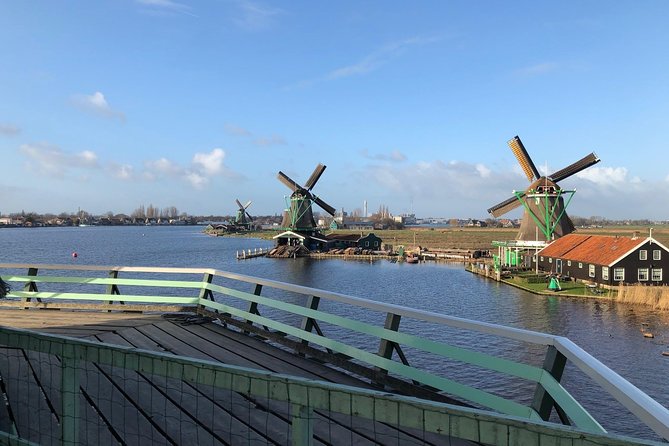
Zaanse Schans
20 km from Amsterdam • Half day to full day
A picturesque and open-air museum featuring traditional Dutch houses, windmills, and workshops, showcasing the history and craftsmanship of the region.
Haarlem
20 km from Amsterdam • Half day to full day
A charming and historic city known for its beautiful architecture, museums, and vibrant cultural scene, often considered a smaller and more relaxed version of Amsterdam.
Utrecht
50 km from Amsterdam • Full day
A vibrant and historic city known for its beautiful canals, medieval architecture, and lively cultural scene, with a unique and charming atmosphere.
Festivals
King's Day (Koningsdag) • April 27 (or April 26 if the 27th is a Sunday)
Amsterdam Pride • Late July to early August
Amsterdam Dance Event (ADE) • Mid-October
Pro tips
- Use the OV-chipkaart for seamless and convenient public transport
- Rent a bike to explore the city like a local, but be aware of cycling rules and etiquette
- Visit major attractions early in the morning or late in the afternoon to avoid crowds
- Explore the city's neighborhoods, each with its own unique character and charm
- Try local specialties, such as stroopwafels, bitterballen, and Dutch pancakes
$59
per person
Price varies by option
Secure booking
Free cancellation available
Instant confirmation