Todaiji Temple Nara Park and Naramachi Alley Walk
Active
7h - 8h
For a full refund, cancel at least 24 hours before the scheduled departure time.
Instant confirmation
Mobile or paper ticket accepted
About this experience
We at Explorer Tours provide luxury, comfortable small group tours with a maximum of 11 passengers per vehicle. Our tour conductors escort guests to each destination and assist throughout the tour to ensure a smooth and enjoyable experience. All entry tickets in the itinerary are included in the tour price. Unlike large bus tours, we offer a more personal and relaxed travel experience with attentive service.
This tour visits Nara’s iconic World Heritage area, historic temples, Nara Park, and includes a traditional walk through the Naramachi district, where guests can enjoy old-town scenery, local culture, and the charming atmosphere of traditional streets.
• We do not supply any extra pick up & drop off service.
• Tour is not customizable.
• Not recommended travelers who can not walk long distance. This tour includes walking.
• Due to the weather, traffic conditions, time schedule might change.
• If you select, “I’ll decide later” for the meeting point, please message us on viator.
Available options
Todaiji Temple Nara Park and Naramachi Alley Walk
Pickup included
What's included
Bottled water
WiFi on board
Entrance fee
Air-conditioned vehicle
Parking Fees
Detailed itinerary
1
Meet your tour conductor either in Shinsaibashi or Umeda DT Tower, and board our comfortable, luxurious private vehicle and travel 1 hr from Osaka to Nara Park.
2
Stop 2
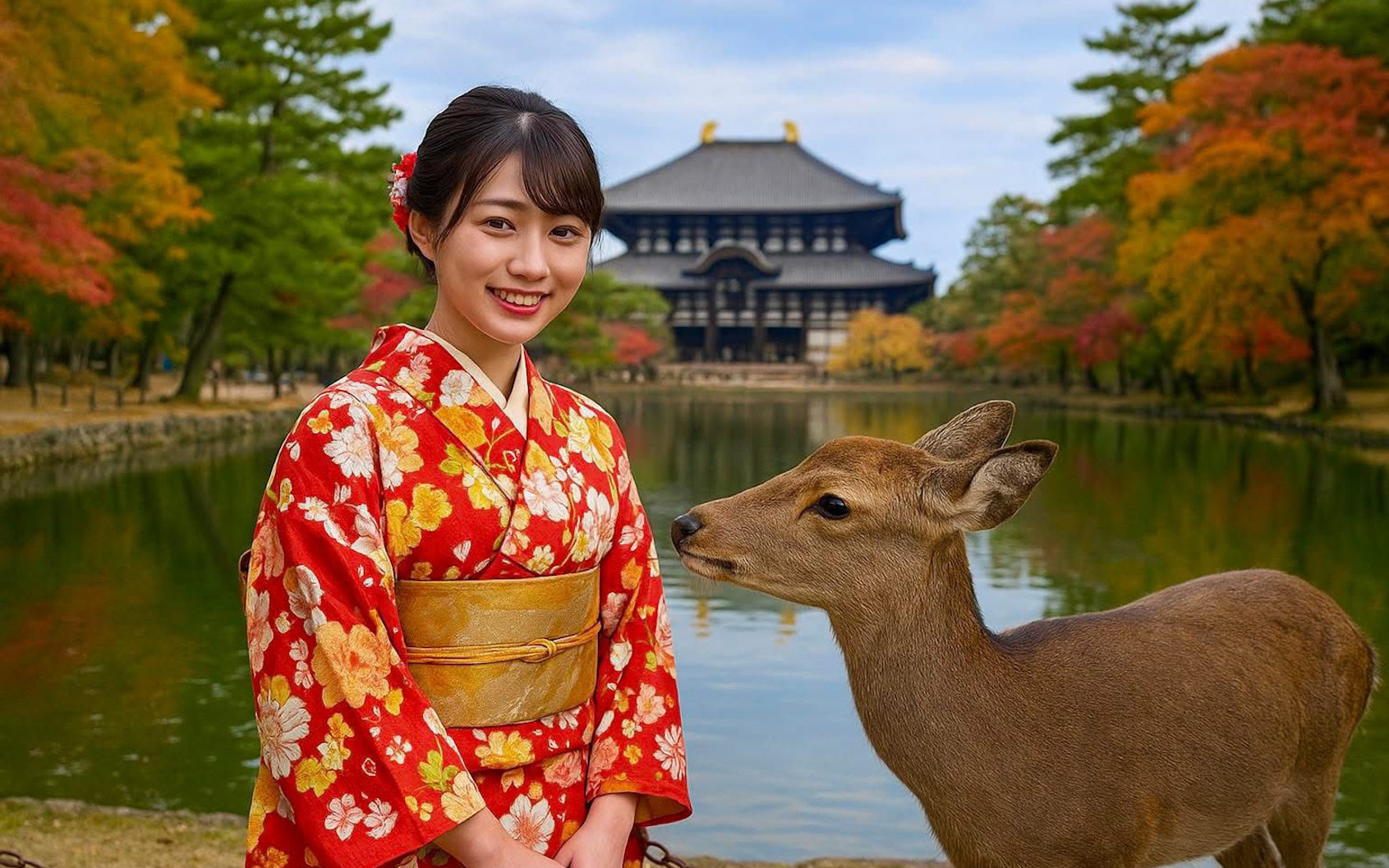
Todaiji Temple, built in the Nara period to pray for the nation’s peace, is registered as a UNESCO World Heritage Site as part of the “Historic Monuments of Ancient Nara.”
It enshrines the Great Buddha of Nara within the Great Buddha Hall—one of the largest wooden structures in the world.
Originally completed in 751 and twice lost to fire, the present hall dates from 1709.
Step into this vast space to feel its history, faith, and awe-inspiring scale.
3
Stop 3
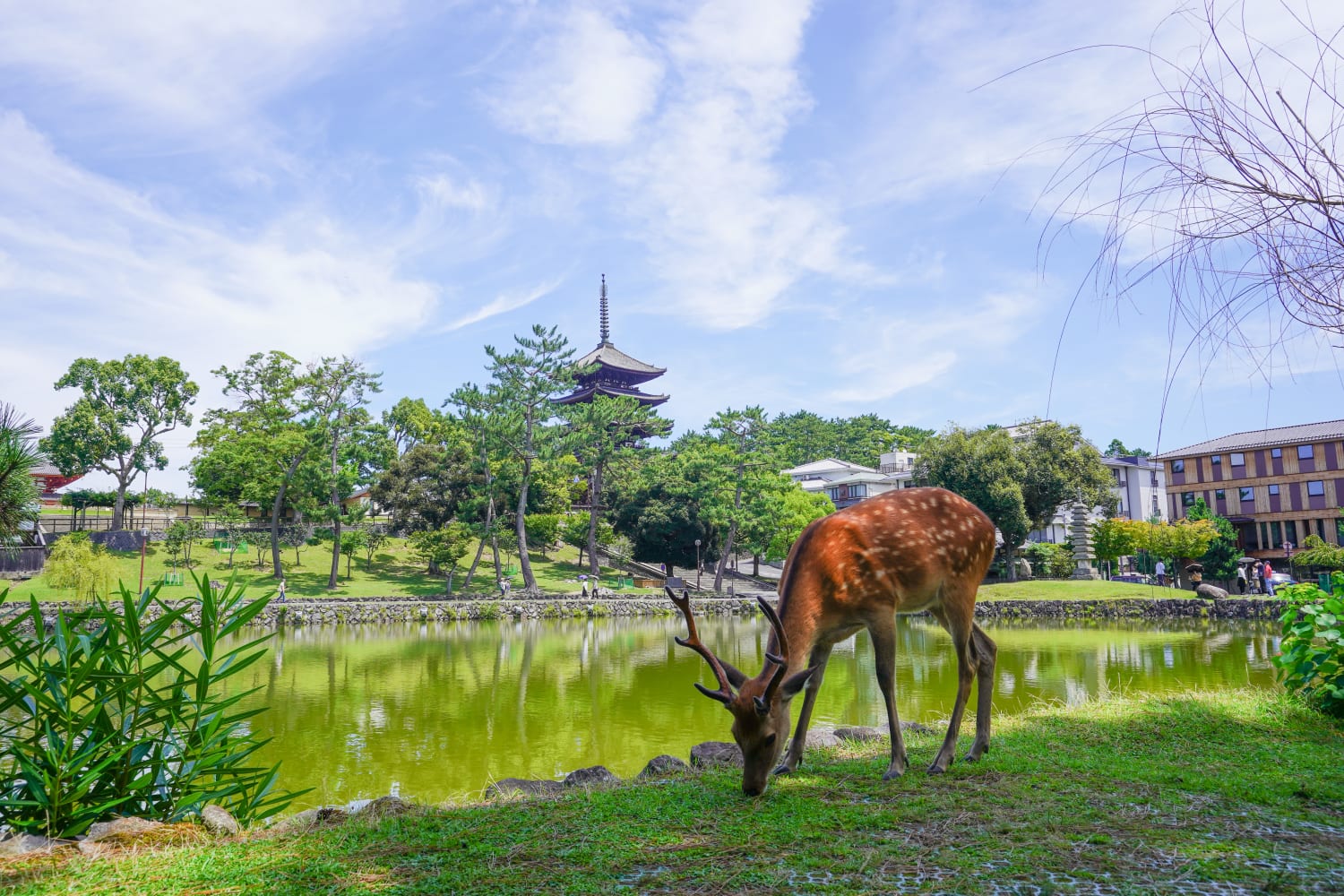
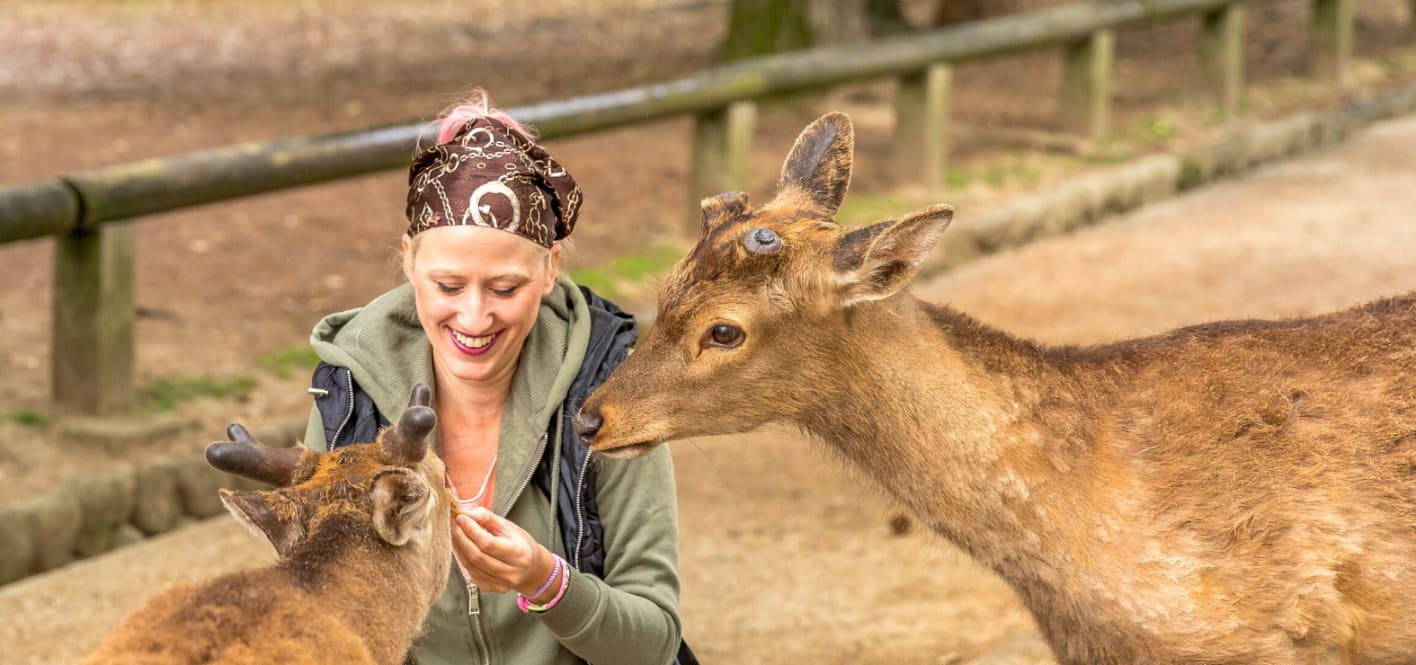
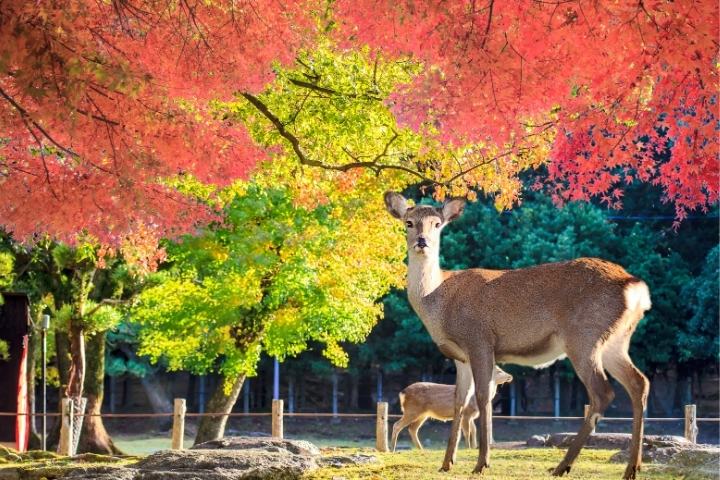
Located next to Todaiji Temple, Nara Park is a spacious area filled with historic temples and ponds, where deer roam freely. With its beautiful scenery that changes with the seasons, it is one of Nara’s most iconic destinations.
4
Walk toward The Great South Gate, or Nandaimon, the main gates of Todai-ji temple, and bask in its size of this great structure. The Nandaimon gate, which stands at the entrance of the approach to Todaiji Temple, is a massive structure with a height of about 25.5m, and the Ni-o guardian statues located in Nandaimon are also a site to behold. Walk through this great gate, and see the magnificent large wooden Ni-o statues. housed in the great Nandaimon Gates.
5
Stop 5
Arrive in Nara Park and disembark with your tour conductor here at Yumekaze Plaza.
6
This area escaped the destruction of war, preserving the traditional townscape of old Nara. Many of the historic townhouses have been stylishly renovated into galleries, restaurants, and shops, blending history with modern charm.
7
This townhouse (the storehouse is from the Edo period) was built in 1917 by an antique dealer, and its spatial composition and design are impressive, including a tea room, a spacious 15-tatami room, a Buddhist altar room covered in gold leaf, and sliding door paintings and decorations. Today, it is a lively spot in Naramachi, promoting the charm of a townhouse that allows you to feel the four seasons and the lifestyle culture, with a theme of the 24 solar terms. (Registered Tangible Cultural Property)
8
This shrine was founded by imperial decree of Emperor Kanmu in the early Heian period (800). It commemorates the souls of Princess Inoue (Empress of Emperor Kōnin and daughter of Emperor Shōmu) and her son, Prince Oto, who were falsely accused of crimes and imprisoned before passing away during the Nara period. They are enshrined in the main hall as the guardian deity of Nara town.
To the left, passing through the South Gate, is Shusse Inari Shrine, a subsidiary shrine known for its blessings in matchmaking.
In addition, visitors often tie red strings at the feet of the lion statues on either side of the South Gate, offering prayers for the lion statues to stop runaways, find love, or bring prosperity to their businesses. Seasonal flowers, such as cherry blossoms and peonies, bloom within the grounds, and the beautifully colored and intricately crafted seasonal goshuin stamps are a popular attraction.
9
This facility was built based on the townhouses that dotted Naramachi from the end of the Edo period through the Meiji era.
It is characterized by its narrow width and long depth, which is also described as an eel's bed. The stairs to the second floor are designed as a "box staircase" to make effective use of the small space, ensuring storage space. You can also learn about the functionality of the latticework, which acts like a half-mirror to make it difficult to see inside from the outside, and the light sources in the courtyard and dirt floor, which allow for ventilation and lighting.
This is a facility where you can experience life in the past and savor the atmosphere.
10
After you visit Nara, you will board our private vehicle and you will be driven back to Osaka. You will be dropped off at your pick-up point.
What's not included
Gratuities
Lunch
Available languages
Guide guide
EN
Reviews breakdown
Tripadvisor
5.0
3 reviews
5★
3
4★
0
3★
0
2★
0
1★
0
Important information
Infants and small children can ride in a pram or stroller
Service animals allowed
Public transportation options are available nearby
Infants are required to sit on an adult’s lap
Specialized infant seats are available
Suitable for all physical fitness levels
About Osaka
Osaka is a vibrant, bustling city known for its rich culinary scene, historic sites, and modern entertainment. As Japan's second-largest metropolitan area, it offers a dynamic mix of traditional culture and contemporary urban life.
Top Attractions
Osaka Castle
A iconic symbol of Osaka, this castle was originally built in the 16th century and has been beautifully restored. It offers a glimpse into Japan's feudal history and features a museum and scenic park.
Historical
2-3 hours
600 JPY
Dotonbori
A lively and colorful entertainment district known for its neon lights, street food, and vibrant nightlife. Dotonbori is a must-visit for foodies and those looking to experience Osaka's energetic atmosphere.
Entertainment
2-3 hours
Free (food and shopping vary)
Universal Studios Japan
A popular theme park featuring attractions based on famous movies and characters, including Harry Potter, Super Nintendo World, and Jurassic Park. It's a great destination for families and thrill-seekers.
Entertainment
Full day
8,400-10,600 JPY (varies by season and tickets)
Osaka Aquarium Kaiyukan
One of the largest aquariums in the world, featuring a wide variety of marine life, including whales, sharks, and penguins. The aquarium is known for its impressive exhibits and educational programs.
Nature
2-3 hours
2,600 JPY
Shinsekai
A retro district with a nostalgic atmosphere, featuring the iconic Tsutenkaku Tower and a variety of local eateries. Shinsekai is known for its unique blend of old and new, offering a glimpse into Osaka's past.
Cultural
1-2 hours
Free (food and shopping vary)
Must-Try Local Dishes
Takoyaki
Octopus-filled batter balls, cooked to perfection and topped with savory sauces and bonito flakes. A must-try street food in Osaka.
Snack
Contains seafood, can be made vegetarian upon request
Okonomiyaki
A savory pancake made with cabbage, batter, and various toppings, cooked on a griddle. Often referred to as 'Japanese pizza.'
Dinner
Can be made vegetarian or vegan upon request
Kushikatsu
Deep-fried skewers of various meats, vegetables, and seafood, served with a dipping sauce. A specialty of the Shinsekai district.
Dinner
Contains seafood and meat, can be made vegetarian upon request
Ramen
Noodle soup dish with various broths, toppings, and noodle types. Osaka is known for its rich and flavorful ramen.
Lunch/Dinner
Can be made vegetarian or vegan upon request
Popular Activities
Hiking in the nearby mountains
Cycling tours
Kayaking and water sports
Onsen (hot spring) visits
Tea ceremonies
Gardens and parks
Temple and shrine visits
Traditional workshops (e.g., calligraphy, ikebana)
Best Time to Visit
March to May, September to November
These months offer pleasant weather with mild temperatures and lower humidity, making it ideal for sightseeing and outdoor activities. Cherry blossoms in March and April add to the appeal.
15-25°C
59-77°F
Practical Information
Language
- Official: Japanese
- Widely spoken: English (limited)
- English: Limited
Currency
Japanese Yen (JPY)
Time Zone
JST (GMT+9)
Electricity
100VV, 50/60HzHz
Safety Information
Overall Safety Rating: Very safe
Osaka is generally very safe, with low crime rates and a strong emphasis on public safety. However, as with any major city, it's important to be aware of your surroundings and take precautions to protect your belongings.
Important Precautions:
- • Keep valuables secure and out of sight
- • Be cautious of pickpockets in crowded areas
- • Use licensed taxis and reputable tour operators
Getting there
By air
- Kansai International Airport • 50 km from city center
- Itami Airport • 20 km from city center
By train
Osaka Station, Shin-Osaka Station
By bus
Osaka Station Bus Terminal, Umeda Bus Terminal
Getting around
Public transport
The Osaka Metro system is efficient, clean, and easy to navigate. It consists of eight lines that connect major attractions, shopping districts, and neighborhoods.
Taxis
Available • Apps: JapanTaxi, DiDi
Rentals
Car, Bike, Scooter
Neighborhoods
Umeda
Namba
Shin-Osaka
Tennoji
Day trips
Kyoto
50 km • Full day
A historic city known for its temples, shrines, and traditional architecture. Kyoto offers a glimpse into Japan's rich cultural heritage and is a must-visit for history and culture enthusiasts.
Nara
40 km • Half day to full day
A historic city known for its ancient temples, shrines, and the famous Nara Park, home to hundreds of free-roaming deer. Nara offers a mix of history, culture, and nature.
Kobe
30 km • Full day
A port city known for its historic sites, scenic views, and delicious beef. Kobe offers a mix of culture, history, and culinary delights.
Festivals
Tenjin Matsuri • July 24-25
Kishiwada Danjiri Matsuri • September 14-15
Osaka Castle Illumination • December (specific dates vary)
Pro tips
- Use an IC card, such as ICOCA or Suica, for easy and convenient payments on public transportation, vending machines, and convenience stores
- Try local specialties, such as takoyaki, okonomiyaki, and kushikatsu, at street food stalls and local restaurants
- Visit popular attractions early in the morning or late in the afternoon to avoid crowds and long lines
- Explore the city's unique neighborhoods, such as Dotonbori, Shinsekai, and Den Den Town, to experience the diverse culture and atmosphere of Osaka
- Take advantage of the city's extensive public transportation system, including the Osaka Metro, JR trains, and buses, to easily navigate and explore the city
Get Price
per person
Price varies by option
Secure booking
Free cancellation available
Instant confirmation


![[Nara & Uji] Nara Park & Todai-ji Temple & Byodo-in Temple & Uji Matcha Gourmet & World Heritage Onsen Day Trip (From Osaka)](https://res.klook.com/image/upload/activities/op8ebikytywpfcwudenb.jpg)
![[Nara Cherry Blossom Day Trip] Todai-ji Temple Nara Park, Tsubosaka-dera Temple, and Takamino-sato Garden in the Sky Cherry Blossom Viewing (Departure from Osaka)](https://res.klook.com/image/upload/activities/bwcfnzvz55hgvqlwojom.jpg)