English Haiku Experience at the Shiki Museum and Funaya Ryokan
Active
4h
For a full refund, cancel at least 24 hours before the scheduled departure time.
Instant confirmation
Mobile or paper ticket accepted
About this experience
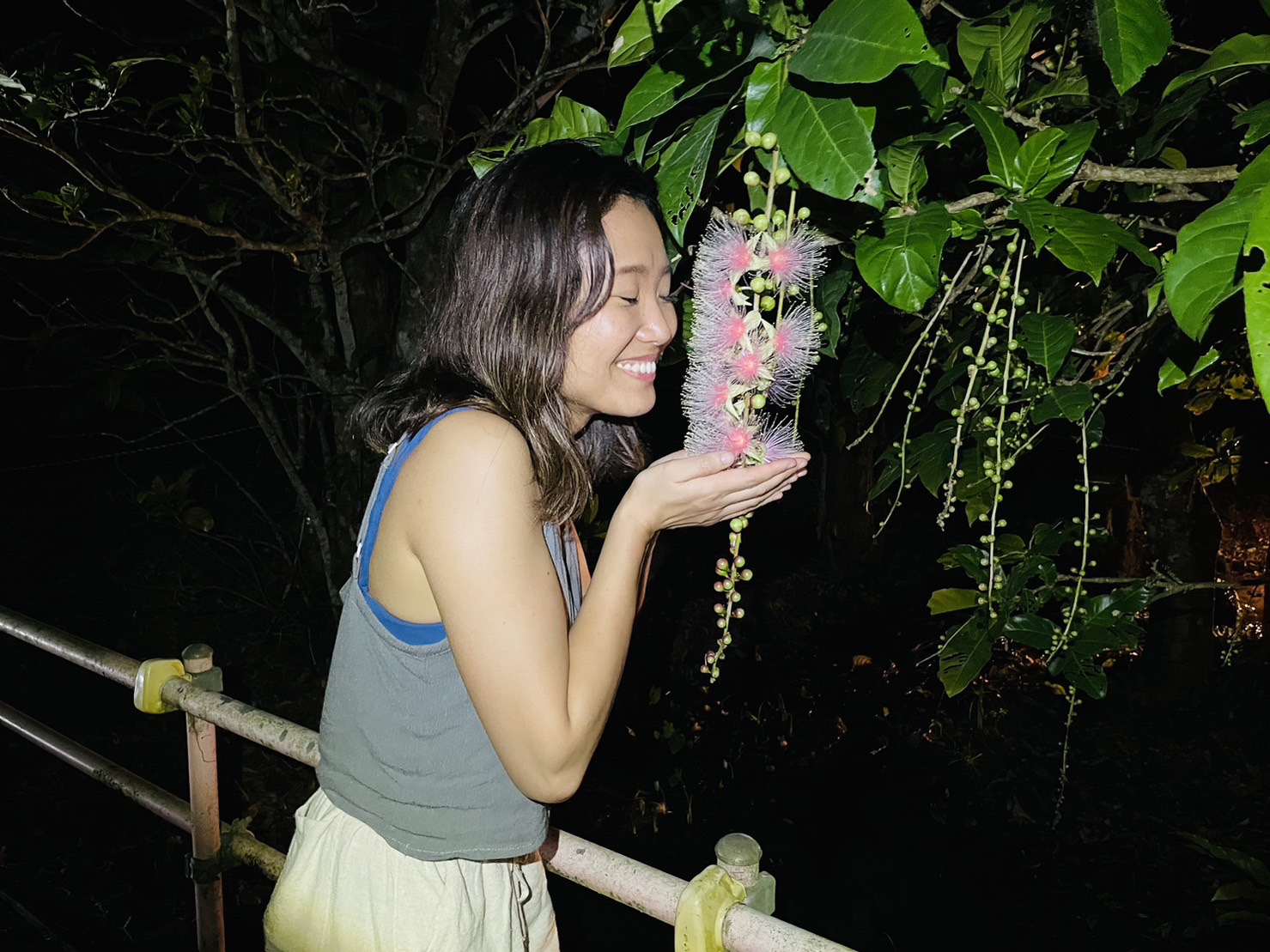
Known as the “Haiku Capital,” Matsuyama is the birthplace of Masaoka Shiki, who redefined haiku as a form of modern literature, laid the foundations of contemporary haiku, and gave it the name “haiku.” The city is also the cradle of haiku innovation. It is home to many sites associated with renowned poets, including the hermitage where Santōka Taneda spent his final years, making Matsuyama truly the spiritual home of haiku. In Matsuyama, haiku is deeply woven into everyday life and urban culture and is actively shared both within Japan and internationally, making the city a uniquely important source of modern haiku culture. Drawing inspiration from seasonal landscapes and historic settings, participants compose, share, and receive commentary on English-language haiku. Guided by an English haiku instructor, the program is designed to engage all five senses, allowing participants to experience both the depth of haiku and the rich charm of Matsuyama.
Available options
English Haiku Experience at the Shiki Museum and Funaya Ryokan
What's included
English haiku lecture and workshop fee
Navigator fee (English & Japanese support)
Admission fee to the Shiki Museum
Venue, equipment, and materials costs for the lecture and haiku workshop
What's not included
Any other personal expenses
Available languages
Guide guide
EN
Important information
Public transportation options are available nearby
Not recommended for travelers with spinal injuries
Not recommended for pregnant travelers
Not recommended for travelers with poor cardiovascular health
Travelers should have at least a moderate level of physical fitness
13歳以下の方は参加できません
英語の読み書き、英会話できない方は参加できません。
乳幼児や子供の参加はできません。乳幼児や子供の付き添いもできません。
Meeting point
12:00 Meet in front of the entrance to the Shiki Memorial Museum
Important notes
Please show your booking confirmation screen to the staff at the meeting point.
About Ehime Prefecture
Ehime Prefecture is located on the northern coast of Shikoku, the smallest of Japan's four main islands. Known for its beautiful coastlines, historic sites, and agricultural products, Ehime offers a blend of natural beauty and cultural heritage. The prefecture is famous for its citrus fruits, particularly the famous mikan (mandarin oranges), and its scenic spots like Dogo Onsen, one of the oldest hot spring resorts in Japan.
Top Attractions
Dogo Onsen
One of Japan's oldest hot spring resorts, Dogo Onsen has been a popular destination for centuries. The onsen is mentioned in ancient literature and has a rich history.
Historical/Religious
2-3 hours
Moderate (entry fees vary by bathhouse)
Matsuyama Castle
A stunning castle perched on a hilltop, offering panoramic views of Matsuyama and the Seto Inland Sea. The castle is one of Japan's twelve original castles.
Historical/Architecture
1-2 hours
Moderate (entry fee for the castle tower and museum)
Shimanami Kaido
A scenic cycling route that stretches across a series of islands in the Seto Inland Sea, connecting Ehime with Hiroshima Prefecture.
Nature/Adventure
Full day or overnight
Moderate (bike rental and ferry fees)
Ishite-ji Temple
A historic temple that is part of the Shikoku Pilgrimage, a famous Buddhist pilgrimage route.
Religious/Cultural
1-2 hours
Free (donations welcome)
Must-Try Local Dishes
Mikan
Sweet, easy-to-peel mandarin oranges that are a specialty of Ehime. They are often eaten fresh or used in desserts and drinks.
Snack/Dessert
Vegetarian, Vegan, Gluten-free
Tori ten
Fried chicken skewers, a popular local dish that is crispy on the outside and juicy on the inside. Often served with a sweet and savory sauce.
Main Dish
Contains gluten and allergens (soy, wheat)
Dogo Onsen manju
Sweet buns filled with red bean paste, a popular souvenir from Dogo Onsen. The buns are steamed and have a soft, chewy texture.
Dessert
Vegetarian (check for dairy or egg content)
Popular Activities
Cycling the Shimanami Kaido
Hiking in the Iyo Mountains
Sea kayaking in the Seto Inland Sea
Soaking in Dogo Onsen
Tea ceremonies in Uwajima
Strolling through Matsuyama's historic districts
Visiting historic temples and shrines
Attending local festivals
Best Time to Visit
Spring (March to May) and Autumn (September to November)
Spring offers pleasant temperatures and cherry blossoms, while autumn provides comfortable weather and beautiful fall foliage. These seasons are ideal for outdoor activities and sightseeing.
15-25°C
59-77°F
Practical Information
Language
- Official: Japanese
- Widely spoken: English (limited)
- English: Limited
Currency
Japanese Yen (JPY)
Time Zone
GMT+9
Electricity
100VV, 50/60HzHz
Safety Information
Overall Safety Rating: Generally safe
Ehime is generally a safe destination for travelers, with low crime rates and a peaceful atmosphere. However, as with any destination, it is important to be aware of your surroundings and take precautions to ensure a safe and enjoyable trip.
Important Precautions:
- • Be cautious of your belongings in crowded areas
- • Use licensed taxis and avoid unmarked cabs
- • Be wary of strangers offering help or services, especially in tourist areas
Getting there
By air
- Matsuyama Airport • 6 km from Matsuyama city center
By train
Matsuyama Station
By bus
Matsuyama Bus Center, Takamatsu Bus Terminal
Getting around
Public transport
Trains are efficient and comfortable, with options ranging from local trains to limited express services.
Taxis
Available • Apps: DiDi, JapanTaxi
Rentals
Car, Bike, Scooter
Neighborhoods
Matsuyama City Center
Imabari
Uwajima
Day trips
Ozu Castle
30 km from Matsuyama • Half day
A well-preserved castle with a beautiful garden, offering a glimpse into Japan's feudal past. The castle is known for its picturesque setting and historical significance.
Uchiko
40 km from Matsuyama • Full day
A charming town known for its traditional architecture, historic buildings, and paper industry. Uchiko offers a glimpse into Japan's past with its well-preserved streets and cultural heritage.
Shimanami Kaido Cycling
Varies by starting point • Full day or overnight
A scenic cycling route that stretches across a series of islands in the Seto Inland Sea, connecting Ehime with Hiroshima Prefecture. The route offers stunning views, local seafood, and a unique cycling experience.
Festivals
Dogo Onsen Summer Festival • August
Matsuyama Spring Festival • April
Uchiko Autumn Festival • November
Pro tips
- Visit Dogo Onsen early in the morning or late at night to avoid crowds and enjoy a more peaceful experience
- Try the local mikan (mandarin oranges) and other citrus fruits, which are a specialty of Ehime
- Explore the historic districts of Matsuyama and Uchiko on foot to discover hidden gems and local culture
- Rent a bike and cycle the Shimanami Kaido for a scenic and adventurous experience
- Participate in a traditional tea ceremony or paper-making workshop to gain a deeper understanding of local crafts and customs
Get Price
per person
Price varies by option
Secure booking
Free cancellation available
Instant confirmation


![[Town walk] Stroll around Matsuyama Castle and enjoy local shopping](https://media-cdn.tripadvisor.com/media/attractions-splice-spp-674x446/0b/a1/c9/04.jpg)